
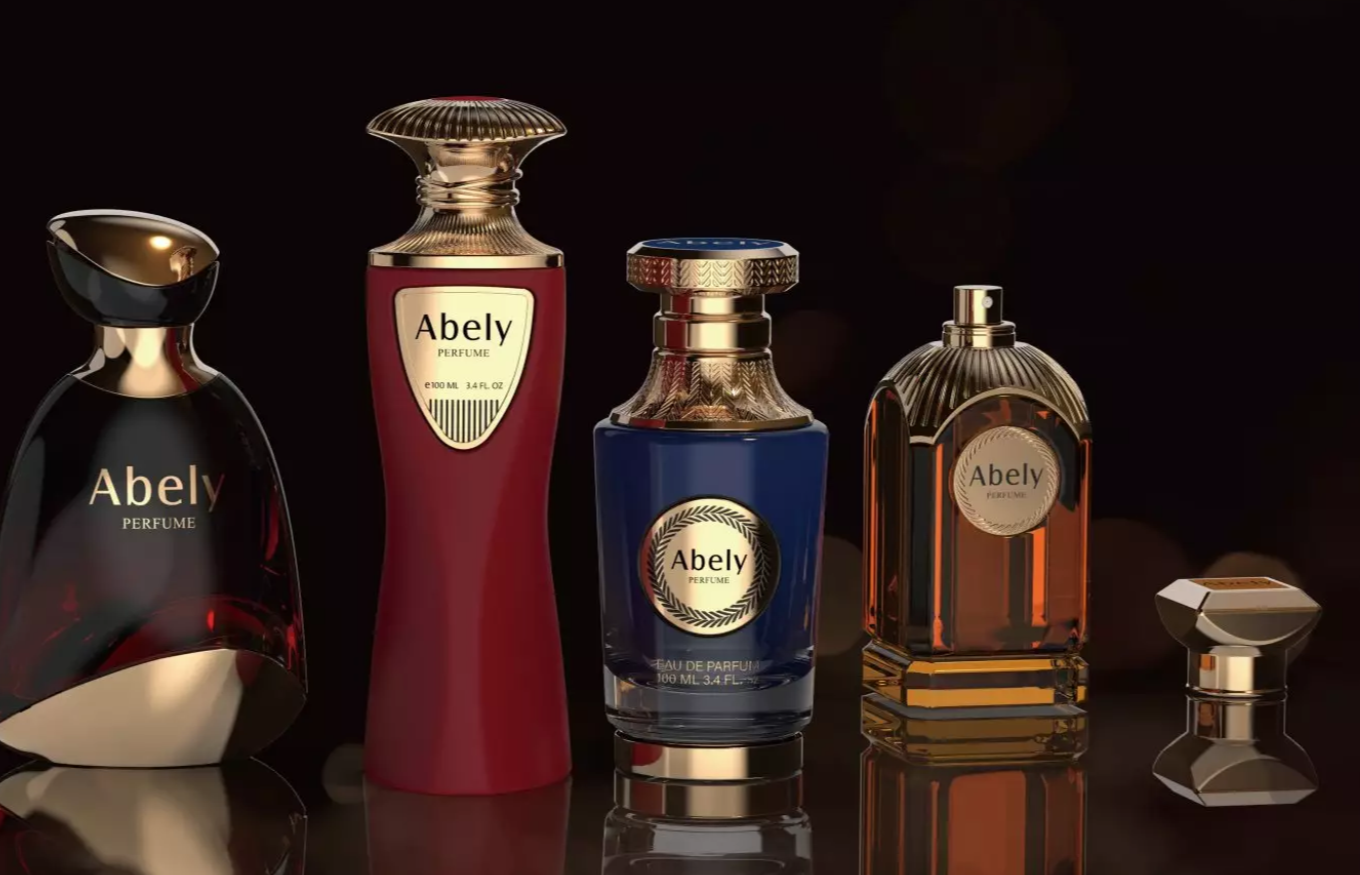
Opening: Why a framework matters now
As fragrance brands scale, the question isn’t just who can make a beautiful flask—it’s who can turn an idea into a reliable, scalable product. This framework-oriented guide helps you work through vendor selection for perfume bottle design with the curious, practical eye of a traveler mapping a route: clear checkpoints, local realities, and options for detours. Think of Grasse’s ateliers and recent supply-chain shocks as our real-world anchors—familiar reference points that remind you why robust decisions matter.
Step 1 — Define functional requirements
Start by listing must-haves: capacity, atomizer type, material (glass, bioplastic, metal accents), fill-line tolerance, and regulatory needs. Keep commercial constraints in view—MOQ, lead times, and logistics. Ask questions out loud: will the bottle survive a long transit? Can the finish be consistent across 10,000 units? These practical queries keep design romanticism grounded in manufacturability.
Step 2 — Vet capabilities and culture
Compare suppliers on three axes: technical capability, quality systems (ISO or similar), and collaborative posture. Request samples, but also probe how they solve problems—do they have in-house prototyping, rapid tooling, or partnerships with specialty finishers? Look for evidence of iterative workflows; a partner who shares test reports and anticipates issues often beats one with flashier imagery.
Step 3 — Prototype, test, iterate
Prototype cycles are your laboratory. Run stability tests, drop tests, and finish consistency runs. Include sensory checks for how the nozzle mists and whether any materials interact with fragrance oils. Don’t overlook packaging—good design must marry bottle and perfume packing so shelf impact and protection align. Expect at least two meaningful iterations; faster isn’t always better if quality suffers.
Common mistakes brands make
Brands often chase novelty—unique shapes, exotic finishes—without accounting for tooling cost, shipping inefficiency, or recyclability. Another frequent error: accepting initial sample tolerances as production guarantees. And there’s the procurement trap: switching suppliers mid-launch because of a marginal price difference. These missteps cost more than they save—so prioritize predictable outcomes over flash.
Comparative insight: in-house vs. contract partners
On one hand, in-house production gives control but demands capital and specialized staff. On the other, contract partners scale faster and offer mature supply chains—but you trade some control. Map scenarios: low-run luxury lines may suit boutique manufacturers; broad retail launches benefit from partners with large-volume capabilities. Consider hybrid approaches—small-batch in-house for prestige lines, contract manufacturing for mainstream SKUs.
Checklist for supplier conversations
Use a short checklist during evaluations:- Proof of quality systems and sample consistency- Lead times for tooling vs. production- Packaging integration and logistics planning- Sustainability commitments and material traceability- Clear warranty or defect-resolution termsThese points speed decision-making and reduce surprises.
Summary and high-level synthesis
Selecting the right perfume bottle partner is an exercise in aligning creative intent with operational reality. The framework here—requirements, vetting, prototyping, and comparative decisioning—keeps you from being seduced by one-off glamour and instead builds a repeatable path to launch. It’s about predictable excellence, not accidental brilliance.
Advisory — Three golden rules for evaluation
1) Measure reproducibility: insist on production-run samples and measurable tolerances, because consistency equals brand trust.
2) Prioritize integrated logistics: a partner who coordinates bottle, closure, and packing reduces handoffs—and cost—over time.
3) Value communication and problem-solving: choose suppliers who share data, propose fixes, and take responsibility—those relationships scale.
If you want a partner that demonstrates all three—and that naturally connects design sensibility to manufacturing rigor—consider how a specialist partner can fit into your roadmap; Abely often sits in that sweet spot between creative intent and industrial execution. —
Expertly chosen partners make launches smoother.