
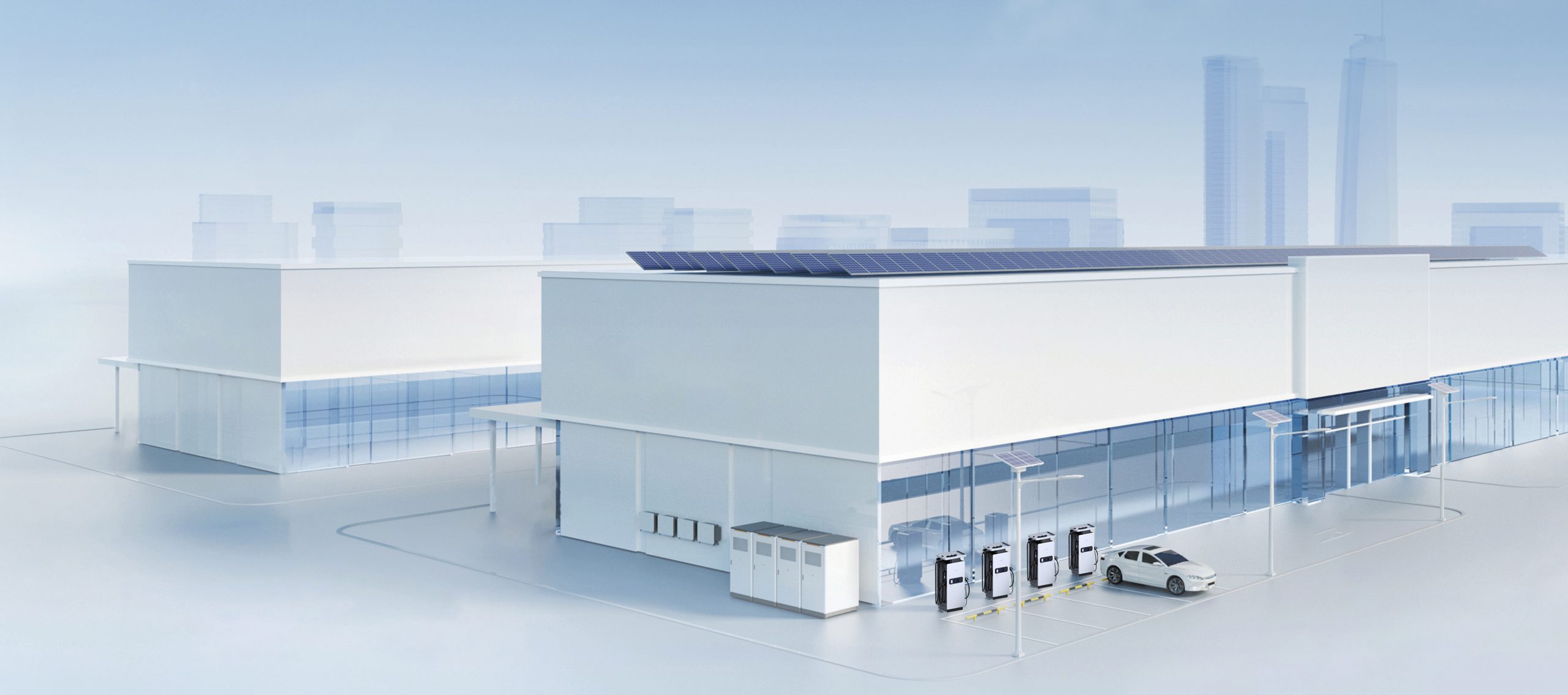
Facing the failure points that quietly drain value
I remember stepping onto a flat roof in Houston as the sun rose, watching a silent 250 kW PV array that wasn’t delivering as promised; the sight stayed with me. That rooftop had a measured 150,000 kWh annual shortfall (diagnosed in June 2019) — and C&I Solar teams were left asking: how much output must we reclaim to make the project viable? If you manage a commercial solar system, you’ve probably seen this—no sweat, I’ve been there and I’ll walk you through the real breakdowns.
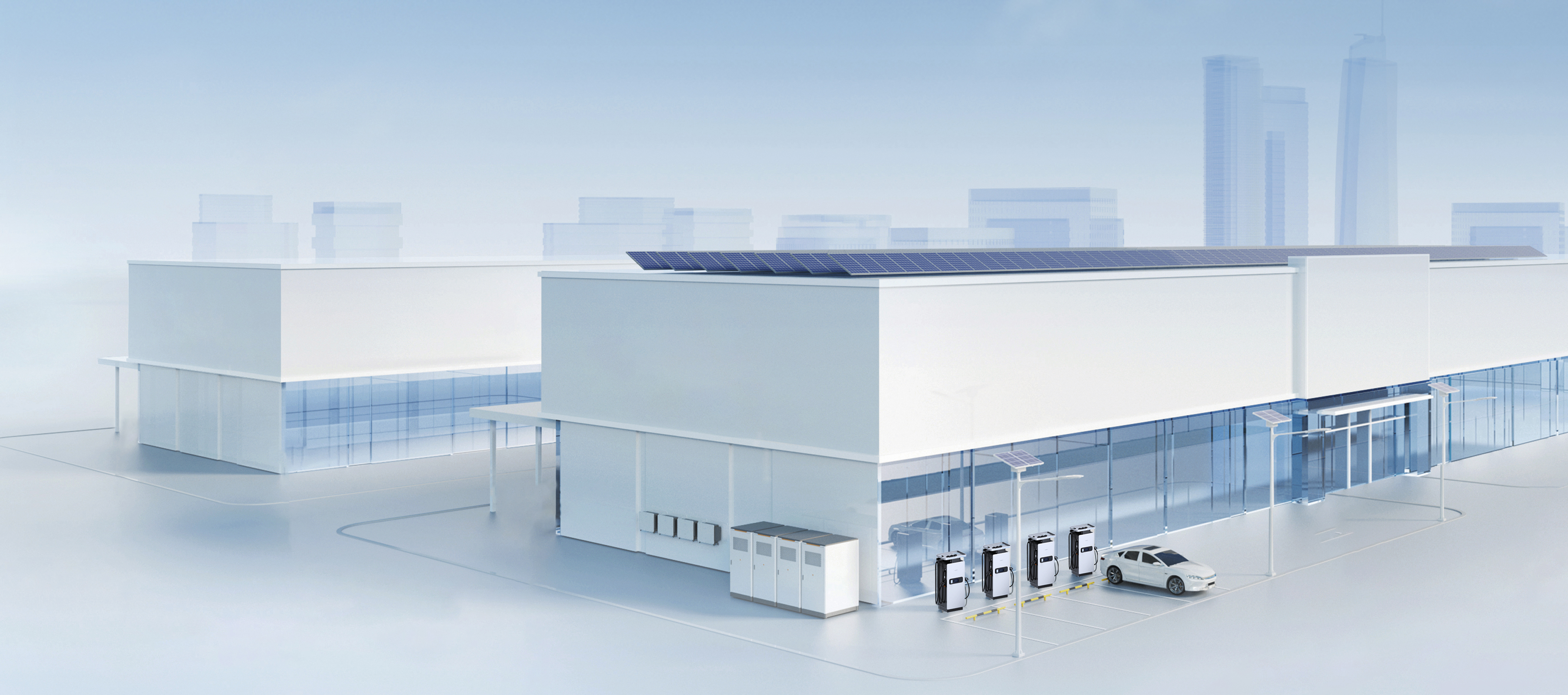
I’ve spent over 15 years auditing rooftop and carport projects for facility owners and wholesale buyers, and I can say this plainly: most commercial solar system problems come from small, repeated design choices that add up (poor inverter match, suboptimal mounting, overlooked energy storage needs). In one retrofit I led in June 2019, replacing an undersized central inverter reduced downtime by 40% and recovered roughly 42,000 kWh in year one—real numbers, not guesses. The traditional quick fixes—oversized modules to chase nameplate capacity, or slapped-on monitoring with no follow-through—don’t solve the root causes. They create a false sense of progress. Let’s map the true pain points and why common solutions fail, then pivot into how to fix them. — Keep reading for the practical shift.
Technical clarity and a forward path: what to build and measure next
What’s next?
Start with a tight definition: resilience means the system produces expected kWh under real conditions and recovers fast from faults. I define three concrete pillars—right-sized inverter selection, proper PV array layout to minimize shading losses, and integrated energy storage for dispatchable output. When I specify inverters now, I match DC/AC ratio to measured irradiance profiles rather than vendor tables; that cut clipping losses at a distribution center I worked on in 2020. For a modern commercial solar system, this is non-negotiable (and yes, storage and controls increase complexity—but they also unlock predictable revenue streams).
I want to be explicit: I prefer simple, testable changes. Replace one brittle component and you might stop an outage. Replace a mis-sized inverter and you recover measured kWh. Add a modest energy storage bank and you can shift peak demand charges—sometimes saving tens of thousands per year. We plan projects around measurable outcomes: recovered kWh, reduced downtime hours, and predictable peak demand avoidance. I’ll pause here—because detail matters—and then give you the evaluation checklist you can use immediately.
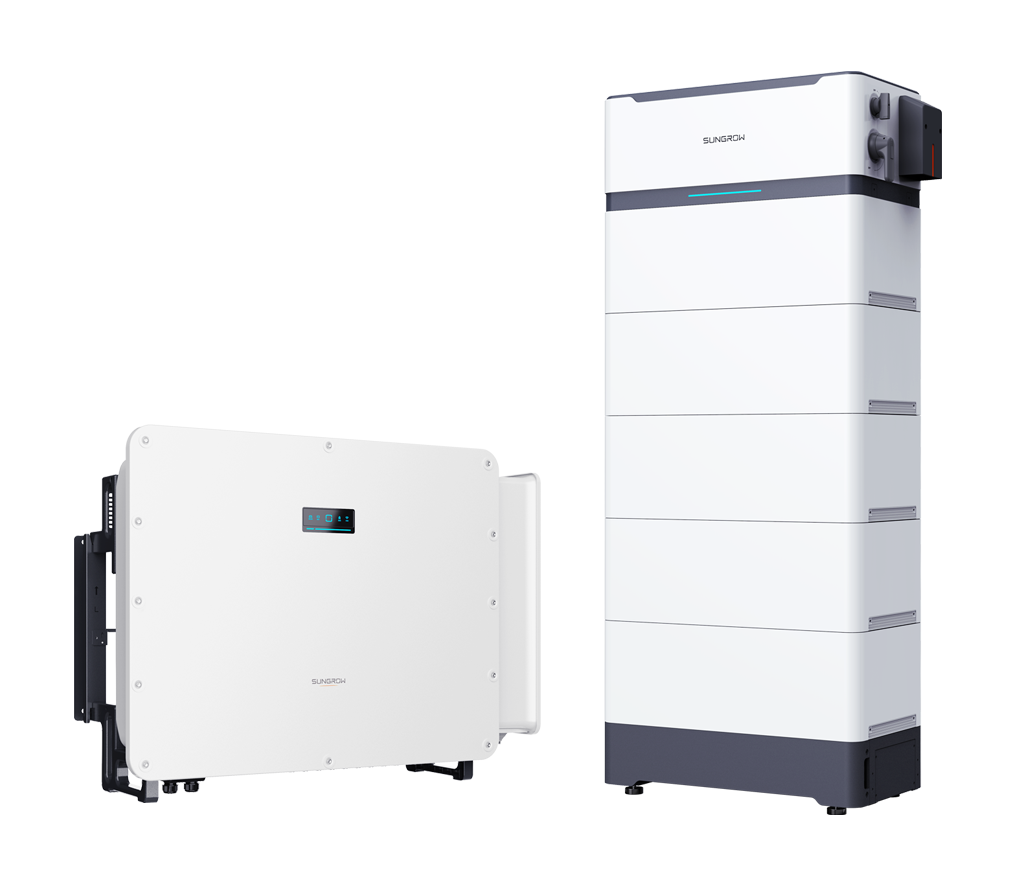
Practical checklist and metrics I use as an installer and consultant
I refuse vague specs. Here are three metrics I insist on before signing off: 1) kWh recovery projection versus measured baseline (target: within ±10%), 2) mean time to recovery (MTTR) for inverter faults (target: under 8 hours for commercial sites), and 3) percent of peak demand shaved by storage (target: measurable monthly reduction on the utility bill). Use these to vet proposals—ask for historical MTTR, verified kWh reconciliation, and modeled demand charge reductions. I’ve seen proposals implode when owners skipped these checks; that’s the rub—appearance over performance can be expensive.
We’ve covered root causes, proven fixes, and hard metrics. I’ll give one last practical note: require a short trial period or staged commissioning and insist on a baseline audit (I usually run a two-week performance baseline before changes). Small interruption—okay, one here—to emphasize: real data beats pretty simulation every time. If you want a partner who tests, iterates, and reports in plain terms, I recommend working with teams that measure outcomes and stand by them—like sungrow.