

Why this matters — quick, data-first take
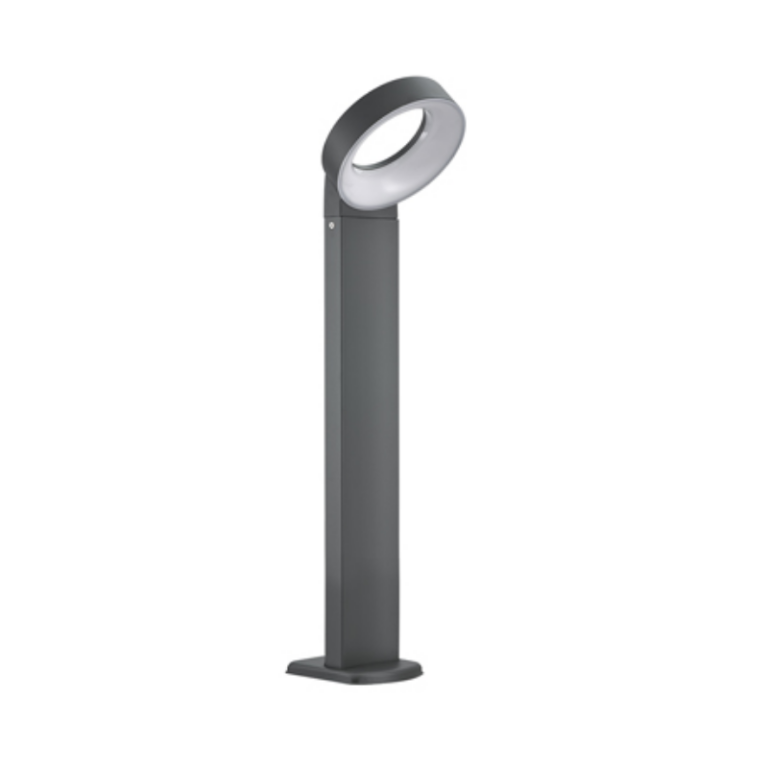
CRI numbers from a photometric lab sound great, but do they hold up once a LED wall lamp is bolted to a façade? Short answer: sometimes. Long answer: it depends on thermal design, driver stability, and environmental exposure. If you’re specifying outdoor fixtures alongside bollard lights, you want CRI that stays true for years — not just on the test bench. Industry tests like IES LM-79 and LM-80 give baseline metrics, but field conditions reveal the real story.
What “CRI stability” actually means (and how it’s measured)
Color Rendering Index (CRI) gauges how natural colors look under a light source. Labs measure initial CRI and spectral power distribution. Lumen depreciation (L70/L80) and color shift (Δu’v’) over time show stability. Photometry in controlled settings uses standardized temperatures and currents; outdoors you get temperature swings, moisture, and dust — all of which nudge phosphor behavior and the emitted spectrum.
Data patterns from labs vs. real facades
Datasets from controlled tests show many LED modules maintain CRI within a point or two over early life. In the field, you often see gradual shifts tied to heat buildup and UV exposure. Thermal runaway or poor heatsinking speeds phosphor degradation — that lowers CRI and changes CCT. Outdoor ratings like IP65 reduce moisture ingress, which helps — especially for fixtures installed near salty coasts or high-humidity urban canyons.
Key factors that drive CRI drift
Look for these technical drivers when comparing products:
- Thermal management — heatsink design and airflow control.
- Driver quality and current regulation — fewer spikes, less color shift.
- Phosphor formulation and LED binning — consistent spectra at scale.
- Ingress protection — IP65 or higher for splash and dust resilience.
Real-world anchors: standards and field experience
Use IES LM-79/LM-80 as anchors for lab data and check manufacturer L70 predictions. The US Department of Energy reports that LED retrofits often cut energy use by roughly 50–70% — a high-level fact that shows why cities and designers push LED adoption despite concerns about long-term color fidelity. In practice, municipal and commercial retrofits exposed on busy streets reveal what lab numbers missed: mounting height, surface reflectance, and seasonal temps matter — a lot.
Common spec mistakes — avoid these
Manufacturers and specifiers often slip up on three fronts: over-relying on initial CRI, ignoring ambient temperature on the wall plane, and skipping real-world photometric verification. Don’t assume IP65 alone guarantees color endurance — it helps, but thermal design and driver lifespan are equal partners. —
Alternatives and quick comparisons
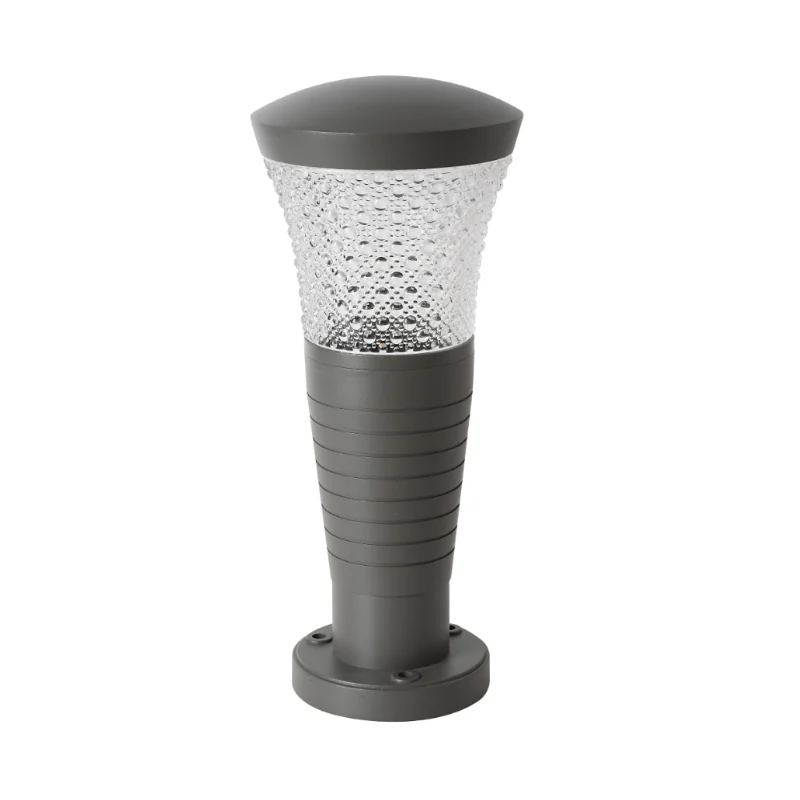
If CRI stability is critical, consider: high-quality phosphor LEDs with documented LM-80 reports, LED arrays with active thermal paths, or modules with field-replaceable drivers. For lower-cost options, expect faster drift and plan maintenance. For mixed-area projects, pair wall lamps with complementary ip65 lawn lamp fixtures to balance vertical and ground-level color consistency.
Advisory — three golden rules for choosing outdoor LED fixtures
1) Demand lab and field data: ask for LM-79/LM-80 reports and at least one field photometry study showing CRI/CCT drift over time. 2) Prioritize thermal + ingress design: pick fixtures with proven heatsinks and IP65 or better for outdoor installs. 3) Insist on driver specs and binning consistency: stable current and tight LED binning cut color shift risk.
For projects that need both durability and true color over time, solutions that balance photometric rigor with weatherproof build are the real win — and that’s the type of practical balance you’ll find from partners like Keyida. —