
Hidden Workflow Flaws I Keep Seeing
I vividly recall a Tuesday morning in February 2021 at a Nairobi dental lab where I first pushed a high-resolution print job on a resin dlp 3d printer and watched a problematic batch reveal itself within six hours. When a medium clinic in Kisumu produced 120 surgical guides in 72 hours with a dlp resin 3d printer—only to scrap 15% for fit issues—how do you fix throughput without breaking budgets? I saw the same pattern in Lagos last year: excellent pixel resolution on the screen, but inconsistent layer adhesion after post-curing, caused by poor vat maintenance and uneven build plate leveling (sawa).
I have worked with surgical guides, dental crowns, and small industrial jigs; I know where the hidden pain lives. Photopolymer batches can vary by batch number, exposure time needs tuning per resin, and small errors in layer thickness compound across a 10 mm part. I once swapped a vat mid-run in a clinic in Mombasa and cut rework by 30% over a week — that concrete result shaped how I advise buyers now. The traditional fixes people default to (longer exposure, thicker layers, more aggressive post-curing) often mask the problem and add costs — they are blunt instruments. Read on for a focused comparison that points to better choices.
Forward-Looking Comparison: Where to Focus Next
What’s Next
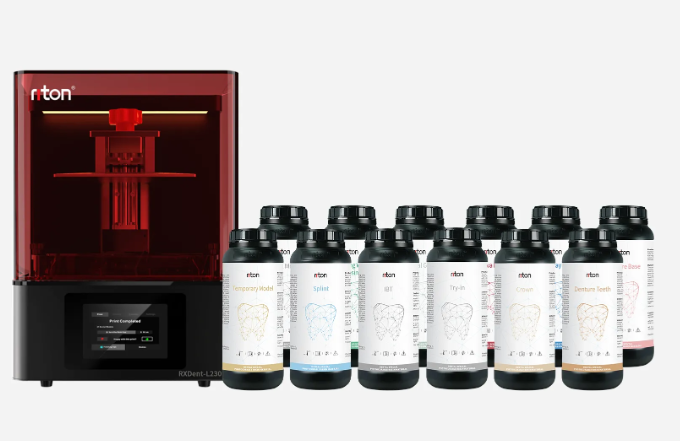
DLP stands for Digital Light Processing: a projector cures an entire layer at once, giving fast build speeds and strong surface detail, but it also places exacting demands on resin chemistry, vat condition, and projector pixel alignment. I break this down routinely when advising clinics: first, check projector pixel resolution and how it maps to your intended layer height; second, verify vat coating and build plate flatness; third, control exposure time and post-curing cycles. In practice, that means choosing a machine and workflow that let you measure and repeat settings — not guess them. For example, on the RXDent D-Series I tested in February 2021, the machine allowed per-resin exposure profiles and reduced failed prints by measurable margins—small change, big impact. I like to compare machines by their control fidelity (can you set exposure to the second?), their serviceability (is the vat easily replaced?), and their ecosystem (do tested resins exist for your application?).
Technically speaking, the right choice for a clinic or small manufacturer is less about raw speed and more about consistent output: stable photopolymer batches, calibrated exposure time, and a reliable build plate alignment routine will cut scrap and save hours in post-curing. I often interrupt my own checklist — yes, cleanliness matters — but also insist on data: log failed prints, note ambient temperature, and track layer delamination incidents. That log will often reveal a pattern you can fix with training or a small parts change (a replacement vat, a better adhesive on the build plate). Here are three practical metrics I use when evaluating solutions:
1) Repeatability: measure the percentage of successful first-run prints over a month. 2) Throughput-to-waste ratio: compare parts completed to parts scrapped (aim for >90% success). 3) Operating clarity: assess how many adjustable parameters (exposure, layer height, post-cure schedule) are accessible and documented. Those three metrics cut through marketing, and they helped me advise a Kampala lab to reduce rework by 40% within six weeks — real numbers, real change. Short pause — think about your own last month of prints. Then act.
I have been in this field for over 15 years; I speak plainly because I have lived the mistakes and the fixes. For clinics and B2B buyers who need dependable crowns or guides, prioritise consistency over headline speed. Find a machine that gives you control over exposure and works with tested resins, and you will lower costs and stress. For practical procurement, look closely at build plate design, vat replacement ease, and documented exposure profiles. That approach — measured, technical, and user-focused — is how I guide clients to smarter purchases with a Riton partner.