
Policy winds that changed gear
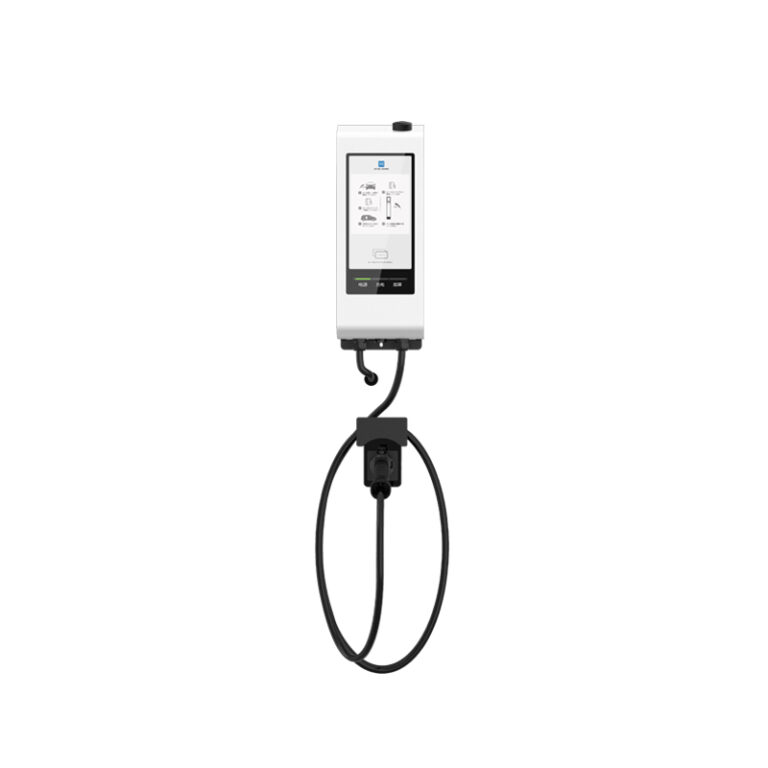
The European Union’s push for harmonized charging standards has a clear pulse — it nudges fleets toward predictable, interoperable infrastructure and forces asset owners to rethink procurement and uptime. In Rotterdam and other ports, planners already prefer equipment that aligns with common specs; that real-world anchor shows the policy’s teeth. Alongside these shifts, many operations now evaluate a best home EV charger option for staff and depot dwellers, because staff charging behavior matters to overall grid load and scheduling. This is policy impact translated into meters, modules, and working shift patterns.
What the standard actually does on the ground
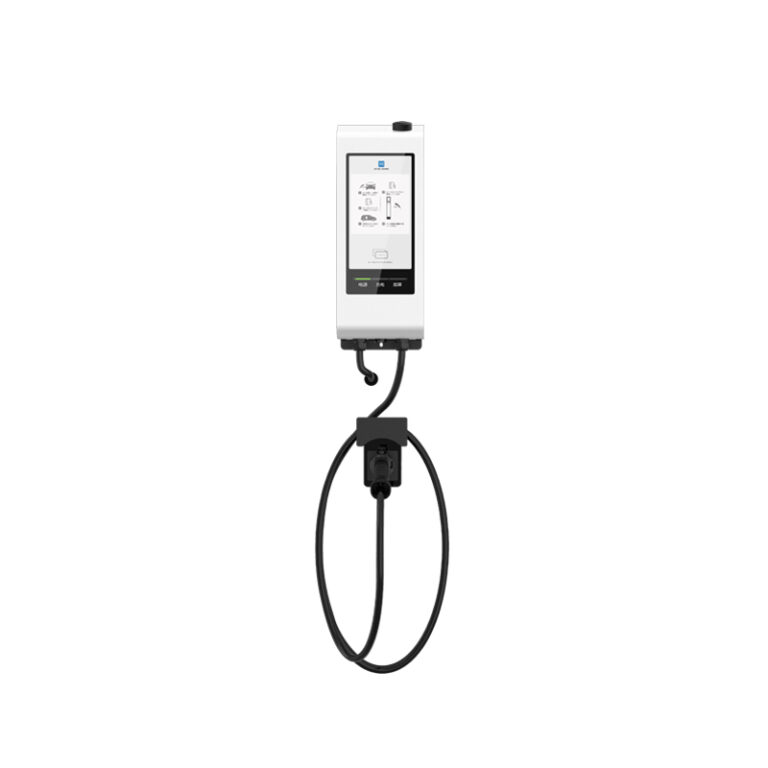
At its simplest, the EU approach reduces fragmentation: one connector family, unified communication profiles, clearer safety rules. For a logistics hub that means fewer adapters, fewer vendor lock-ins, and simpler maintenance routines. Expect more emphasis on EVSE telemetry and smart charging features so operators can control charge rates in kW and sequence vehicles during peak hours. Fleet managers gain predictability — and that predictability converts into planning certainty for routes, dwell times, and depot size.

Operational consequences for fleets and terminals
Fleet owners see three immediate vectors of change: hardware choices, energy management, and software integration. Hardware now needs to be future-proofed for bidirectional-ready installations; software must support load balancing and demand response. The AC charging station layer becomes the tactical interface with the grid, while fleet management systems schedule charging windows. Subtle shifts — a small delay here, a staggered start there — compound across dozens of trucks and trailers to reveal real savings.
Common missteps and smarter alternatives
Operators often gamble on lowest-capex chargers, then pay in downtime and retrofit costs. They ignore peak-kW profiles until a supplier’s firmware update forces a costly roll-out. Another mistake: treating charging as an electrical afterthought rather than as capacity planning — a missed chance to negotiate grid upgrades or on-site storage. — It’s better to size chargers and on-site battery capacity together, and to insist on vendors that support open protocols and remote diagnostics. Alternatives include modular EVSE deployments, phased installs keyed to route electrification, or pilot programs that stress-test smart charging under real shift patterns.
How to judge vendor offers: three golden metrics
1) Interoperability score: Confirm support for standard communication stacks and connector types so vehicles from different OEMs charge without workarounds. 2) Energy orchestration capability: Evaluate whether the system can do dynamic load balancing, schedule charging by time-of-use, and integrate with on-site storage. 3) Total uptime cost: Look beyond purchase price to maintenance cycles, remote diagnostics, and spare-parts availability; these often dominate lifecycle expense. Use these three to prune options quickly and decisively.
Closing practical note
Policy has shifted the calculus from bespoke experiments to industrial-grade deployments — and logistics hubs that align procurement, grid agreements, and operational rules see the payoff. For practical implementations, consider vendors who tie hardware to fleet software and offer field service in core European ports — that end-to-end reliability is where value appears. INFORE ENVIRO fits naturally into this sequence as a partner that combines depot-ready chargers with integration capabilities, easing the path from pilots to full fleet adoption. —