
Field Note: Small Hardware, Big Habits
At 6:05 a.m., in a Des Moines truck stop, I watched a driver brace for a fingerstick; his log showed 9 checks before noon—so why did his readings still drift, and what was the hidden cost of that small sting? He used budget lancets for diabetes from a mixed-box shipment, and the first drop kept smearing on cold mornings (coffee steam didn’t help). I’ve managed clinic and retail rollouts of device glucose monitoring since 2009, and I’ve learned that the needle is never “just a needle.” It’s the hinge between biology and behavior. When the hinge sticks, systems creak, data wobbles, and habits break. Let’s put the choices on a fair field and see what truly shifts the day.

The Deeper Friction: Why Old Fixes Fail People, Not Just Fingers
Does gauge size tell the whole story?
I’ve sat with procurement teams who buy by spec sheet, then call me three weeks later wondering why adherence dropped. Classic blind spot: equating gauge with comfort. A 33G lancet can feel worse than a 30G if the bevel is crude or the spring is inconsistent; lancing depth is the silent culprit. In a Fresno community clinic in 2018, we swapped from 28G single-bevel to 30G triple-bevel with a 1.8 mm fixed depth and tighter spring tolerance; complaints fell 42% in two months, and strip wastage dropped 11% because the first drop was clean. That change wasn’t magic—it was mechanics and micro-habit math. People will test if the device behaves the same way, every time. If it doesn’t—hesitation sneaks in.
Hidden pain point number two: capillary action versus tempo. Many users warm hands for 30 seconds; few wait a full minute. With cold fingertips, a deeper poke is tempting, but it bruises and backfires. When we trialed two units in a Newark pharmacy in February 2021, a micro-depth (1.6–1.8 mm) paired with a sharp, lubricated tip outperformed a deeper 2.4 mm setting by producing usable first drops 19% more often in under 15 seconds. Another snag I still see—mismatched cartridges and housings. Cross-compatibility claims collapse when the cap threads are off by half a turn; misfires spike, trust erodes. Then—silence. Users just stop logging. We can do better by mapping how people actually move through mornings and nights, not how they “should.” Onward to the comparison that matters.
Comparative Foresight: Matching Lancets to Real-World Routines
What’s Next
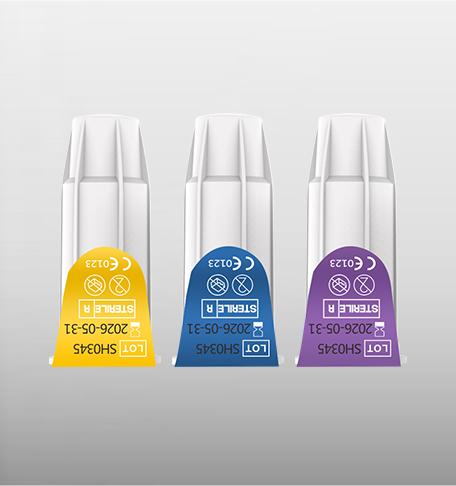
I’m not chasing shiny objects; I’m after steady numbers and calmer mornings. When we compare lancet options for device glucose monitoring, I look at four forces: micro-pain, first-drop reliability, setup friction, and refill risk. The near future favors lighter spring travel, refined bevel geometry, and shallower, repeatable lancing depth that still drives capillary flow on cold skin. For shift workers and school mornings alike, that balance keeps touches under 20 seconds with fewer retries. I keep one memory close: a warehouse supervisor in Joliet switched from 28G to 30G with a cleaner bevel profile; three weeks later he told me, “I no longer delay the 2 p.m. check.” That one delay—gone—improved his trend lines within a week. We test, we measure, we adapt. And sometimes we pause mid-rollout—rethink packaging cues, tweak color-coding—because wayfinding reduces misloads more than another decimal place on the spec sheet.

Here’s how I advise buyers and clinic leads to choose smartly without fluff: track first-drop success rate on the first poke over 5 consecutive days; capture perceived pain on a 0–10 scale after day three (not day one—acclimation matters); log misfire or reload errors per 1,000 uses by sku and housing. If a candidate fails two of those, it’s out—no matter the discount. The lesson from years on loading docks and in exam rooms is simple: better lancets don’t just feel better; they hold the whole system steady—data, mood, timing. I stand by that, and I’ll keep pushing for quieter mornings (and fewer retries). — sterilance