
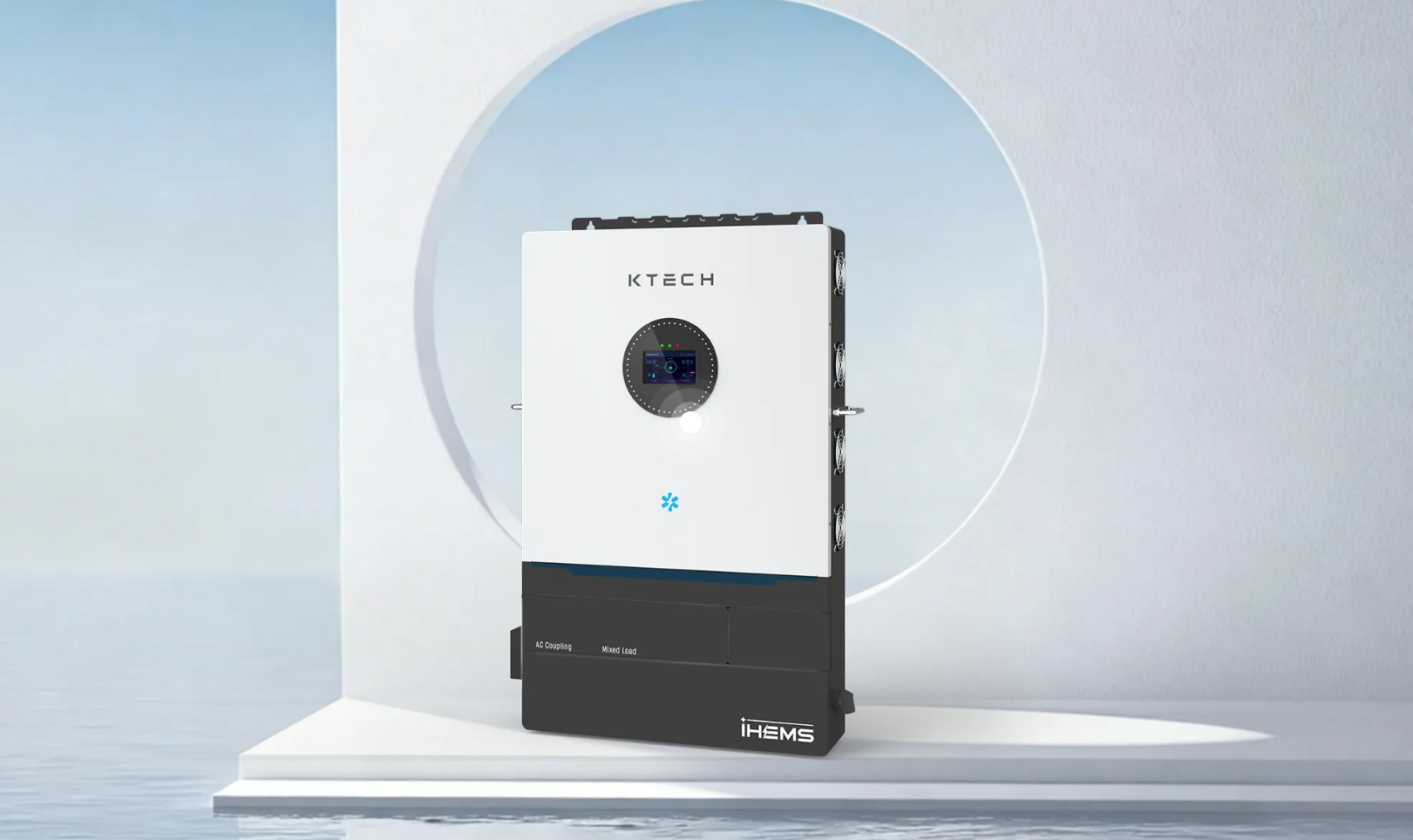
Facing the problem: why off-grid systems often feel fragile
Many homeowners and small operators want battery-backed power that just works, yet they run into short runtimes, surprise maintenance, or sky-high replacement bills. If you’re looking at an off-grid solar system, the same three things—efficiency, reliability, and cost—pull at each other. From field visits in remote Alaskan villages to desk-side system sizing, I’ve seen how a design that chases low upfront price can lead to poorer efficiency and higher lifecycle cost, while overbuilt systems sit idle and underused. Practical off-grid solutions balance those tensions without guessing.
Core drivers that change outcomes
Problems usually trace back to a few predictable drivers. Tackle each and you’ll reduce surprises:- Battery chemistry and state-of-charge strategy: lead-acid, LFP, and hybrid chemistries behave differently under depth-of-discharge and temperature stress.- System sizing and load profiling: oversized inverters or undersized arrays cause wasted cycles or unmet demand.- Thermal and environmental control: heat shortens battery life; cold reduces usable capacity.- Power electronics and control logic: inefficient inverters or poor MPPT tracking shave energy away daily.- Installation quality and monitoring: loose connections, improper grounding, or no telemetry hide trouble until failure.
Simple checks that prevent common failures
When you evaluate equipment or installers, look for these concrete signs:- Clear load study: a day-by-day profile, not a guess from headline appliance watts.- Temperature management plan: where batteries will sit, ventilation, and winter strategies.- Defined cycle strategy: stated usable capacity, depth-of-discharge limits, and expected cycle life.- Telemetry and alerts: remote state-of-health data, basic alarms, and accessible logs.- Serviceability: modular components, documented wiring, and local support options.
Trade-offs you’ll face—and how to choose
Choices cost something. Think of them as deliberate trade-offs:- Higher-efficiency inverters save fuel or generator runtime but add upfront cost; worth it where fuel or maintenance is expensive.- LFP batteries cost more initially but give predictable cycle life and simpler thermal handling.- Oversizing solar array reduces generator dependence but raises capital; undersizing shifts cost to maintenance and fuel.- Simpler systems reduce points of failure but can’t squeeze as much performance from a constrained resource.
Common mistakes that quietly inflate lifetime cost
People often miss subtle errors that compound:- Using nominal battery capacity instead of usable capacity for sizing.- Ignoring ambient temperature ranges for location-specific derating.- Selecting an inverter without appropriate surge/headroom for motors and compressors.- Skipping a generator compatibility check for hybrid or backup modes.Catch those early and you’ll avoid repeated service visits and premature replacements.
Alternatives and quick comparisons
When you’re weighing options, consider this short comparison:- Lead-acid: low upfront cost, short cycle life, high maintenance—best for tight budgets and frequent, predictable servicing.- LFP (Lithium Iron Phosphate): higher capital, long cycle life, better safety—good where long-term reliability matters.- Hybrid designs (battery + generator + controls): higher complexity, but can hit the best balance when sized and controlled right.Choose by where you’re located, how often you can service equipment, and how critical continuous power is.
How to prioritize spending right now
Spend where it prevents repeated costs:- Allocate budget to accurate load assessment and proper controls first.- Invest in battery chemistry and thermal management that match your climate.- Favor monitoring and easy maintenance access over fancy cosmetic features.These choices lower real-world downtime and total cost of ownership.
Final synthesis
Efficiency, reliability, and cost tug at each other, but careful, problem-focused decisions steer them toward steady, predictable performance. When designers and owners prioritize accurate sizing, appropriate chemistry, thermal care, and monitoring, an off-grid setup becomes a dependable lifeline rather than a recurring headache. From my hands-on work and field observations in remote Alaskan villages, that pragmatic approach consistently delivers the best balance. For systems that need that same practical balance tuned to real conditions, Ktech reflects the engineering choices that keep energy available, affordable, and manageable over time.