
How to Compare Adaptive Learning Options for an Education Franchise
Define what success looks like for your center
Start by naming the outcomes you expect: faster mastery, retention, or higher engagement for particular age groups. If you’re exploring education franchise opportunities, tie those outcomes to the franchise model—class sizes, brand positioning, and the student profile the franchise targets. Clear goals make it easier to compare systems that claim to be “adaptive.”
Compare pedagogy, not just tech
Adaptive software can be flashy, but ask how learning paths are created. Does the system adapt because of careful curriculum design or because it simply reorders questions based on performance? Look for platforms that explain their learning logic: skill maps, mastery thresholds, and how they handle misconceptions. A good match keeps teaching goals central and technology serving those goals.
Measure the depth of personalization
Personalization comes in layers. Basic systems adjust difficulty; stronger ones change instructional approach, offer targeted feedback, and recommend next steps for instructors. Check whether the platform personalizes content by skill, pace, or preferred modality (text, visuals, practice). The more granular the adaptation, the better it can support varied learners in your classrooms.
Examine data clarity and teacher workflows
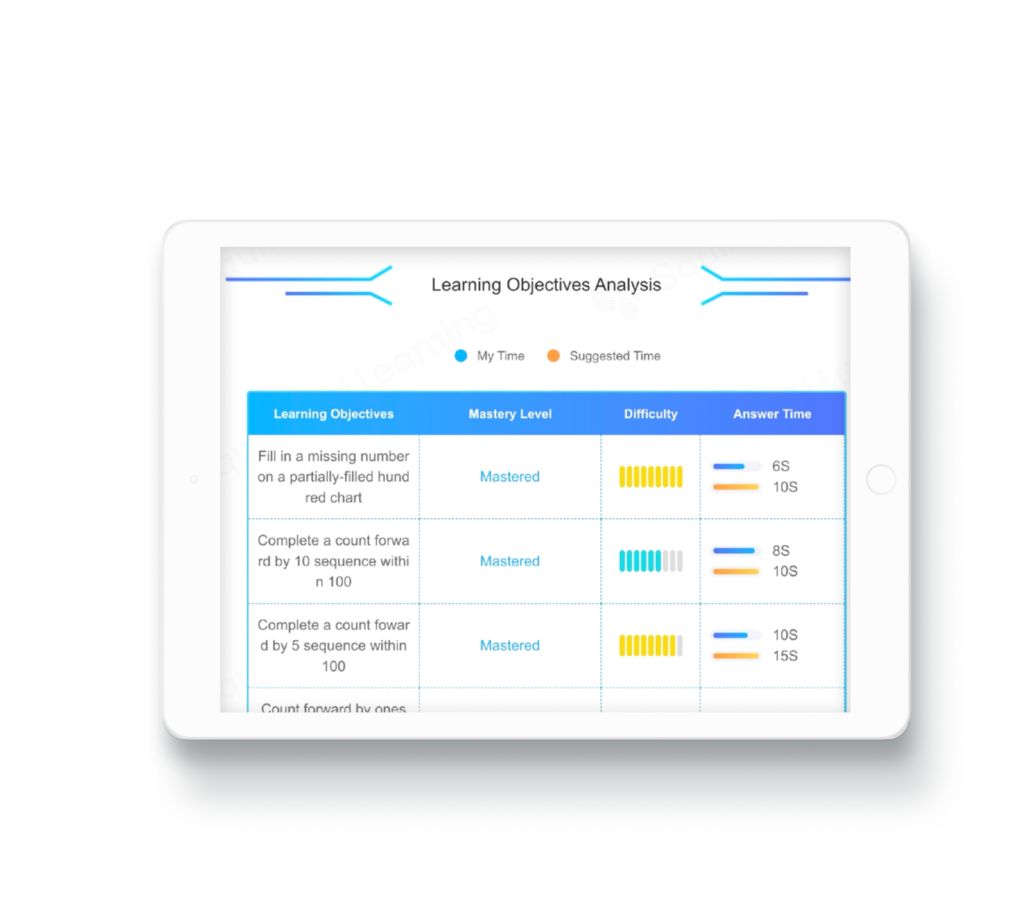
Data matters only if staff can act on it. Review dashboards for clarity: can teachers quickly spot who’s struggling, why, and what to do next? Watch for platforms that demand long report-processing time or that bury useful signals. The right tool makes intervention straightforward and saves instructor time.
Assess integration and hardware needs
Consider how the adaptive system will live inside your franchise operations. Does it require new devices, constant internet, or specific integrations with your existing LMS or grading? Hidden infrastructure costs can change the business case. Favor systems that match your current setup or have a clear, affordable deployment path.
Weigh support, training, and franchisor alignment
Compare vendor training for instructors and ongoing technical support. If the franchise provides centralized training, ensure the platform’s support matches that rhythm. A mismatch between franchise expectations and vendor responsiveness creates friction for staff and families.
Compare total cost and realistic ROI factors
Look past license prices. Include hardware, rollout training, setup time, and potential changes to scheduling or staffing. Estimate how the platform might affect retention and enrollment—not by guessing, but by modeling modest improvements in student outcomes and how those influence parent satisfaction. Choose affordability that matches the franchise’s financial model.
Watch for common pitfalls
A few mistakes repeat: picking a solution based on demos alone, ignoring teacher buy-in, and underestimating integration complexity. Avoid systems that promise instant results without clear instructional foundations. Also be wary of platforms that lock you into long contracts before you can pilot in real classrooms.
Decision checklist to compare vendors
Make a short rubric: alignment with learning goals, level of personalization, teacher usability, integration needs, total cost, and vendor support. Score each vendor against these points, then review qualitative factors like teacher comfort and parent perception. A small pilot under real conditions will expose strengths and weaknesses faster than extended negotiation.
Synthesis: choose a partner that fits your educational and business logic
Comparing adaptive options is about matching capabilities to real classroom needs and franchise realities. Favor clear pedagogy, actionable data, manageable tech requirements, and reliable vendor support. When an education system aligns with those essentials it becomes a tool that helps instructors and attracts families. For franchises seeking a compatible partner that ties instructional design to scalable operations consider how Squirrel Ai might fit into that blend of classroom impact and practical franchise delivery.