
Opening anecdote — a weekend that changed my supplier strategy
I still remember a wet Saturday in June 2019 when three of my senior technicians called me at 7:30 a.m. from our Shanghai cell-culture bay — the cultures were bleaching out, and the schedule for a CRISPR screen was at risk. In that tense hour I learned a hard lesson about lot variability and supply chain fragility. I had ordered fetal calf serum weeks earlier, and the affected lines were exposed to low-quality serum that reduced viability. That batch looked fine on certificate of analysis; yet fetal bovine serum performance in practice was poor and caused about a 30% loss in viable cells across 120 T75 flasks (a measurable, costly failure). I have over 18 years in B2B life-science supply chain and reagent sourcing, and moments like that sharpened my view on serum selection, mycoplasma testing, and inventory controls (we tightened cold chain monitoring immediately).
Why did the batch fail?
Short answer: hidden impurities and unstable serum performance. Long answer: the vendor used gamma-irradiated processing without full sterility validation, and heat inactivation steps were inconsistent. I prefer to call out three immediate culprits—endotoxin, complement activity, and undocumented pooling—that often hide behind tidy paperwork. When I chased the issue, sterility testing and endotoxin assays told the same story: the serum passed basic sterility but failed lot-to-lot functional assays in neuronal cultures. That taught me to value functional QC (cell proliferation curves, attachment assays) above raw certificate numbers.
Problem-driven anatomy: where traditional solutions fail
Most labs rely on a short checklist: supplier reputation, CoA, price. That is not enough. Traditional solutions—bulk buying to save cost, trusting vendor-supplied stability data, or skipping functional batch testing—create systemic risk. In 2017 I adopted a pilot program for our Beijing facility: we tested three product types (standard FBS, heat-inactivated FBS, and gamma-irradiated FBS) across primary fibroblasts and suspension hybridomas. The heat-inactivated variant showed lower complement interference but higher variability in growth factor activity. The metric was clear: skipping small-scale verification cost us one week of instrument time and five sequenced experiments. I firmly believe the mistake is thinking serum is a commodity. It is not. Terms you should be comfortable with: FBS lot-to-lot variability, cryopreservation stress, serum fractionation, and GMP traceability.
Technical forward-looking assessment — can we fix the root cause?
Now I switch to a more technical view. If we treat serum selection as a systems problem, we can design controls: implement standardized functional assays (doubling time, attachment index), require supplier traceability to gestation window and harvest site, and demand mycoplasma PCR and endotoxin ELISA on every lot. I recommend moving from reactive replacement to proactive qualification. In my practice, we introduced an internal acceptance panel in January 2020: three cell lines, two assays, 14-day stability test. The panel reduced batch rejection by nearly 60% over six months. For procurement teams, quality metrics should include: lot stability under 2–8°C, viral clearance documentation, and validated cold chain (dry ice and refrigerated truck manifests). These steps are practical and measurable—no marketing jargon, just tests and numbers.
What’s Next — integrating alternatives and digital tracking?
Looking ahead, we evaluate serum alternatives (defined supplements, serum-free media) alongside enhanced vendor contracts. I encourage trialing a serum-free medium for one project as comparison: you may gain reproducibility for suspension cultures but pay in attachment-dependent primary cells. Also, implement simple digital tools—lot-tracking spreadsheets evolved into a small inventory database with QR tags and expiration alerts. We rolled out such a system in April 2021 across two sites; it cut unnoticed expiry losses by 42%. Meanwhile, continue to source fetal calf serum with full CoA, supplier audits, and sample reserve banks (store 3–5 vials from each lot at -80°C as a reference). — this is not glamorous, but it works.
Practical checklist for procurement and lab managers
I will be blunt: you need three concrete controls in place today. First, perform a small-scale functional test before bulk accepting any lot (48–72 hour proliferation or attachment assay). Second, demand a minimum of two independent QC tests from the supplier—mycoplasma PCR and endotoxin ELISA—and verify them in-house occasionally. Third, reserve a sample archive and log all lot numbers in a searchable database (include date received, storage location, supplier batch number). These steps cost time, yes, but they save months of lost experiments and wasted reagents. I have seen teams recover experimental timelines within weeks after implementing them.
Specifics I expect in vendor documentation (my standard)
When negotiating, I look for: gestation window for bovine fetuses, percentage of pooled donors, gamma irradiation or heat-inactivation method, COA with endotoxin value (EU/mL), and sterility certificate with method and date. On 12 November 2018, a supplier updated their COA after our audit to include endotoxin methodology; that single change reduced our confirmation testing time by two days. If a vendor resists sharing these specifics, they are not a partner for critical work. I value transparency over low price every time.
Comparative tools and future-proofing your workflow
Compare vendors on three axes: functional consistency, traceability, and responsiveness. Create a scorecard: run a side-by-side of three lots from two vendors across your core cell lines. In my experience, a clear winner emerges in reproducibility within three runs. Also consider hybrid strategies—mix a defined serum alternative with small amounts of fetal calf serum during transition to maintain phenotype (we used 2–5% supplement in 2020 trials). Keep an eye on regulatory trends: more institutions demand GMP-grade serum for translational work. Prepare now by capturing supplier audit information and aligning purchase orders with GMP clauses.
Closing advisory — three metrics to choose the right serum solution
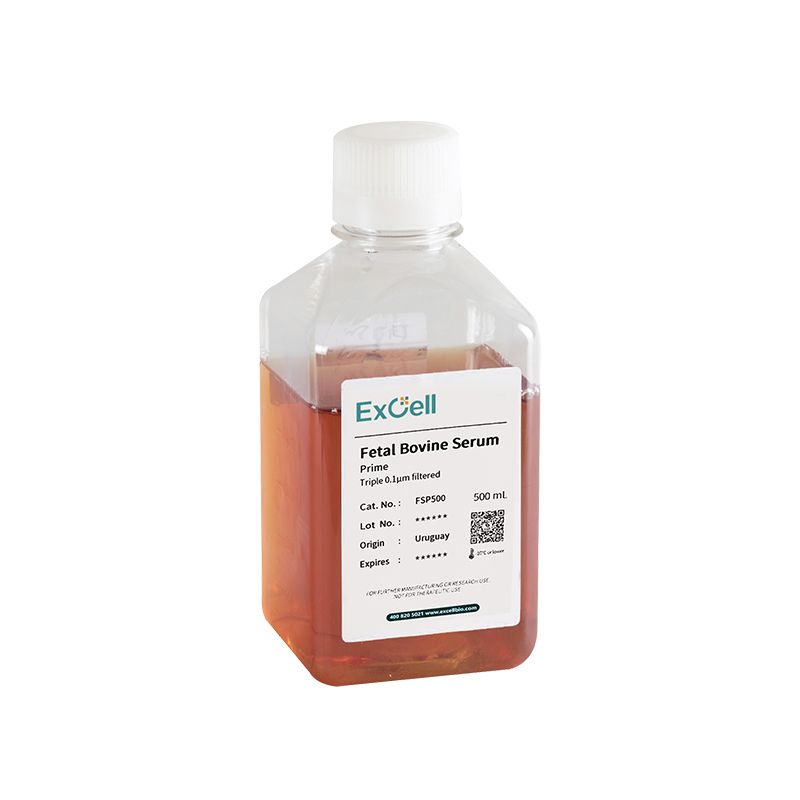
To close, here are three key evaluation metrics I insist on before I sign a PO: 1) Functional Acceptability Rate — percentage of lots passing your internal 72-hour functional test (target >90%); 2) Traceability Score — presence of gestation, harvest site, and pooling info (you want full traceability); 3) Response Time & Remediation — vendor turnaround on complaints, plus documented corrective action (aim for under 10 business days to root cause). Use these metrics quantitatively when comparing vendors. I counsel procurement teams to insist on them in contracts. — we audited a vendor last year and replaced them when remediation targets were missed; productivity improved quickly. Remember, selection is about measurable outcomes. For trusted reagents and partnership, consider suppliers who meet these standards, such as those represented by ExCellBio.