
When the Boulevard Bites Back: A Quick Reality Check
Ever roll out on a sunny Saturday, only to crawl through town and feel the sweat build under your jacket while the bike feels heavier by the block? The muscle cruiser promise is simple: big torque, bold stance, easy swagger. But real roads bite—stoplights, heat, and slow traffic test both rider and machine. In one city study, riders spent up to 38% of seat time under 25 mph; that’s where heat soak grows and clutch work never stops. Some owners report oil temps spiking in summer by more than 10°C, and fatigue hits faster. So the question is this: why does a machine built for muscle struggle most at low speed and high heat (right when you need control)?
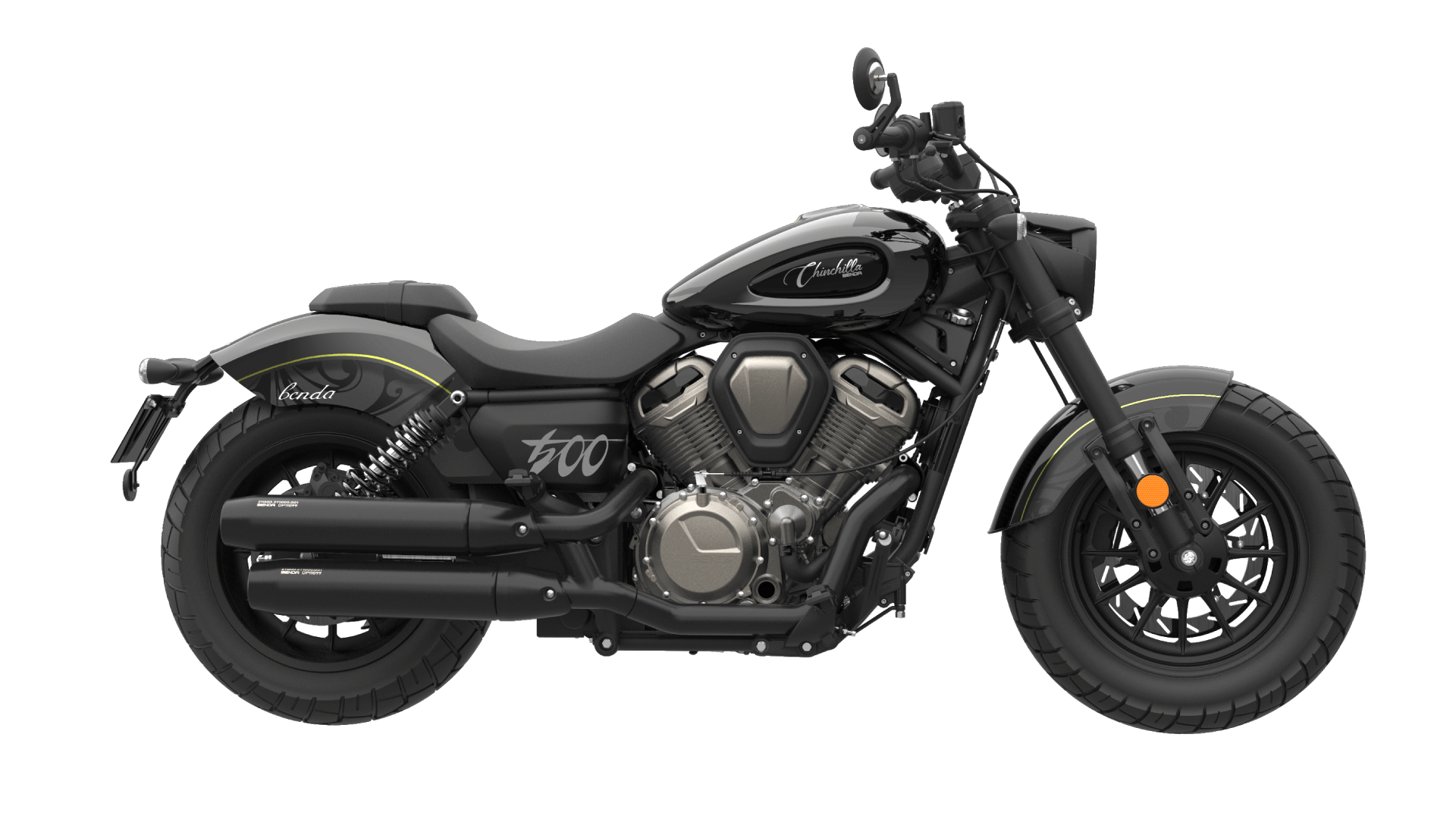
Here’s the twist, bredren—some of these issues start small: seat-to-peg angles, bar reach, and slow-speed stability. Add weight, long wheelbases, and high gearing, and the drag builds. You see the numbers; you feel the burn. Can we keep the thunder and lose the pain? Let’s step deeper—time to see what’s behind the chrome.
Under the Chrome: Hidden Pain Points No One Mentions
Why do riders feel fatigue?
Many riders chase the badge and the look, but the fatigue comes from quieter flaws. A modern power cruiser can deliver huge pull, yet low-speed manners still trip folks up. Look, it’s simpler than you think: if the ECU mapping is sharp off idle, the throttle feels jumpy in traffic. If the torque curve ramps too early, your wrist works overtime. Add poor thermal management and the frame rails and tank get hot fast. Long reach to the bars? That loads the shoulders. And wide rear rubber that looks mean can fight you in tight U-turns—funny how style steals control sometimes—funny how that works, right?
Electrics and electronics help, but not if they’re tuned wrong. A slip-assist clutch can lower hand effort, but a stiff spring pack still wears you down. Ride-by-wire should smooth roll-on, unless the tables are too aggressive. Without a well-sorted cooling path, heat radiates up the legs; even the CAN bus chatter can’t save comfort if the basics miss. And don’t forget service: if updates aren’t easy, firmware stays old, and the rough edges never get sanded. Translation: pain points hide in the setup, not only the spec sheet—ECU strategy, gearing, and thermal routing matter as much as peak power.
Smart Muscle vs Classic Muscle: What’s Next
Real-world Impact
We can compare old-school guts to new-school brains and see the path forward. Classic muscle turns on displacement and final drive gearing; the new approach uses sensors and software to make that power friendlier. Think edge computing nodes tied to an IMU, feeding traction control and adaptive fueling at crawl speeds. With smarter ride-by-wire, the first 10% of twist can be soft-mapped, then feed a steady rise in the torque curve. Better still, targeted thermal management—ducting, coated headers, and revised coolant flow—keeps surface temps down at idle. On a refined muscle cruiser motorcycle, small geometry tweaks calm low-speed wobble. Wait, that’s not magic—just good kinematics and a calmer steering trail.

From here, the upgrades turn practical. Semi-active damping can flatten pothole hits without making the fork dive in traffic. A clearer idle control map steadies creep speed. Even simple fixes count: shorter lever ratios, revised seat foam, and a bar sweep that reduces shoulder strain. We’ve learned the pain shows up at low speed, in heat, and over time. The fix blends hardware and code: smoother fueling tables, cooler routing, and better ergonomics. To choose well, use three checks: one, thermal score at idle and stop-go (surface and leg temps after 10 minutes); two, low-speed control rating (clutch pull, creep smoothness, parking-lot U-turn stability); three, update path (how fast ECU/firmware changes reach you—and if the dealer tools are ready). Compare on those, and the best option stands out—muscle with manners, swagger with stamina. For deeper specs and platform details, see BENDA.