
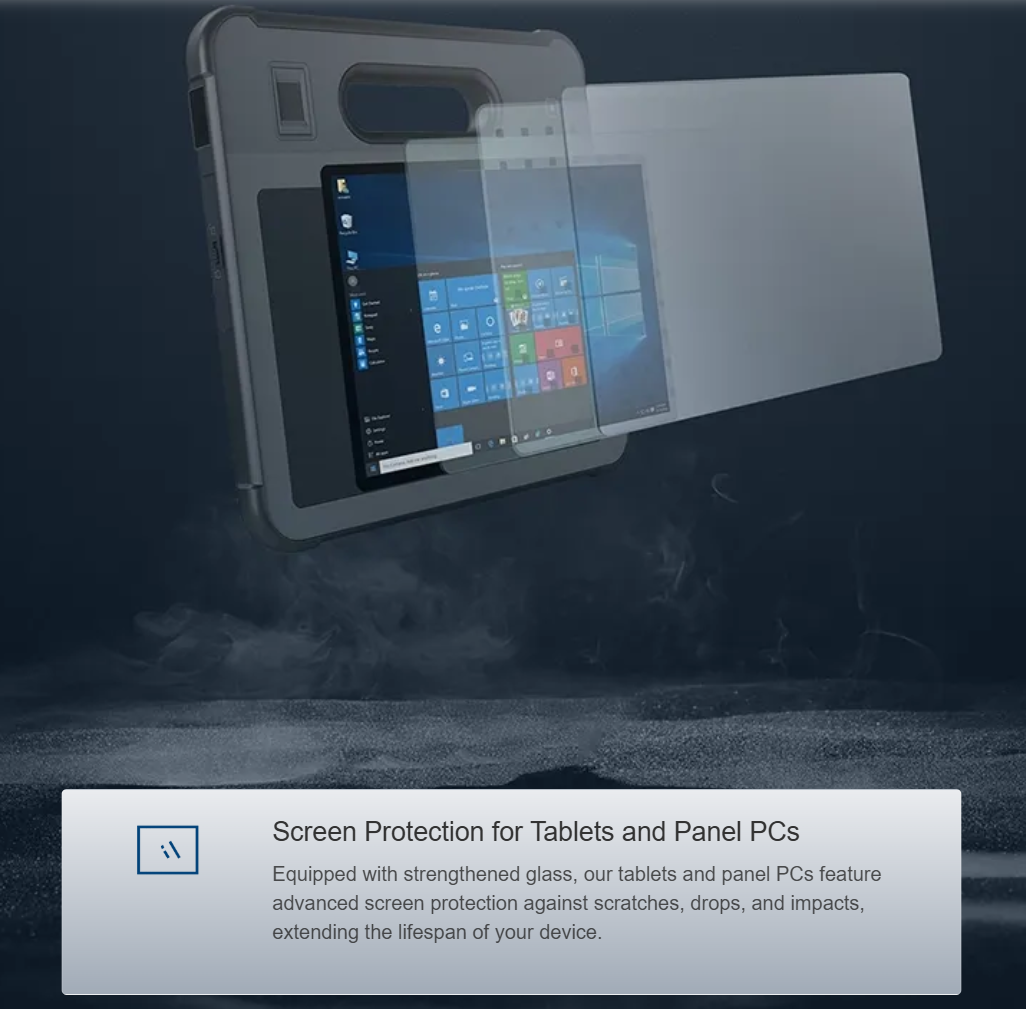
Comparative lead
Choosing between longer component life and rugged, chemical-resistant enclosures is a trade. Start with test standards and field proof — like mil-std-810g — then map specs to use. IP65, ingress protection, shock and vibration are concrete constraints. Real-world anchors — U.S. Department of Defense MIL-STD-810G/H testing and COVID-19 field hospital deployments — show what survives repeated sanitization and rough handling.
Why this comparison matters
Medical sites demand both uptime and cleanability. Components age under heat, chemical exposure, and mechanical stress. Enclosures rated IP65 keep liquids and sprays out. But thicker seals, special coatings, and gasketing change thermal paths and stress on boards. You pay either in maintenance or parts replacement.
What tests reveal
Drop test, shock and vibration data expose weak points. The mil-std-810h drop test provides clear pass/fail baselines for handling abuse — see practical results from standardized drop scenarios mil-std-810h drop test. Thermal shock and humidity cycles show how enclosures influence component solder joints and connectors. Test-to-field correlation matters: lab scores alone mislead if they ignore repeated chemical wipes.
Design trade-offs
Smaller trade-offs first. Seals add protection but raise internal temperature. Coatings resist bleach but complicate service. Touchscreens need clear laminates that handle alcohol-based cleaners. Boards need conformal coatings for corrosion resistance — but coatings can hide faults and impede rework. Manufacturers must balance serviceability, mean time between failures (MTBF), and IP rating.
Common mistakes — brief list
Teams often choose the highest IP rating and expect zero failures. That assumption breaks under heat and repeated sanitization. Others pick ruggedized connectors without matching cable strain relief. Procurement can prioritize initial cost over lifecycle cost — a false economy.
– Over-sealing without thermal management.
– Ignoring connector and cable strain under repeated cleaning.
– Skipping real-world scenario tests that combine chemical exposure with vibration.
How to compare suppliers
Compare against three axes: validated test history, service strategy, and parts traceability. Look for vendors that publish test matrices: cycles of wipe-down chemicals, thermal cycles, and drop/impact results. Ask for mean time to repair (MTTR) and spare-part policies. Choose suppliers who document ingress protection methods and board-level corrosion mitigation.
Practical steps for procurement
Start with use-case mapping. Specify IP65 only where sprays or jets are present. Require MIL-standard drop and shock data where devices move between sites. Mandate conformal coating where humidity and chemical exposure coincide. Reserve costly coatings and exotic seals for modules with high failure risk.
Advisory — three golden rules
1. Prioritize evidence: require combined-cycle test reports that match your cleaning agents and handling profile. Lab-only claims fall short.
2. Balance thermal and ingress needs: design for heat paths when adding seals or thicker enclosures. Cooling failures hide under IP ratings.
3. Insist on lifecycle cost: compare warranty length, MTTR, and spare-part availability, not just upfront price.
These rules steer selection toward durable, serviceable systems that cut real downtime. – They also make vendor claims easier to verify.
Closing thought
Match tests to real use. Choose parts and seals that work together. Let proven standards guide procurement, and favor suppliers who publish the hard data. Estone.