

Why Do We Struggle with Precision in Farming?
A few seasons back, I was out in the fields when I noticed my neighbor squinting at a crooked line as he attempted to plow. “How can he not get it straight?” I muttered to myself. Yet, the real question is—why are so many farmers still wrestling with uneven rows in this age of advanced technology? With studies pointing to the fact that adopting tractor autosteer systems can improve efficiency by up to 20%, it’s baffling that some still stick to traditional methods. The struggle often lies in the integration and understanding of how these systems can lead to better crop yields and reduced operator fatigue.
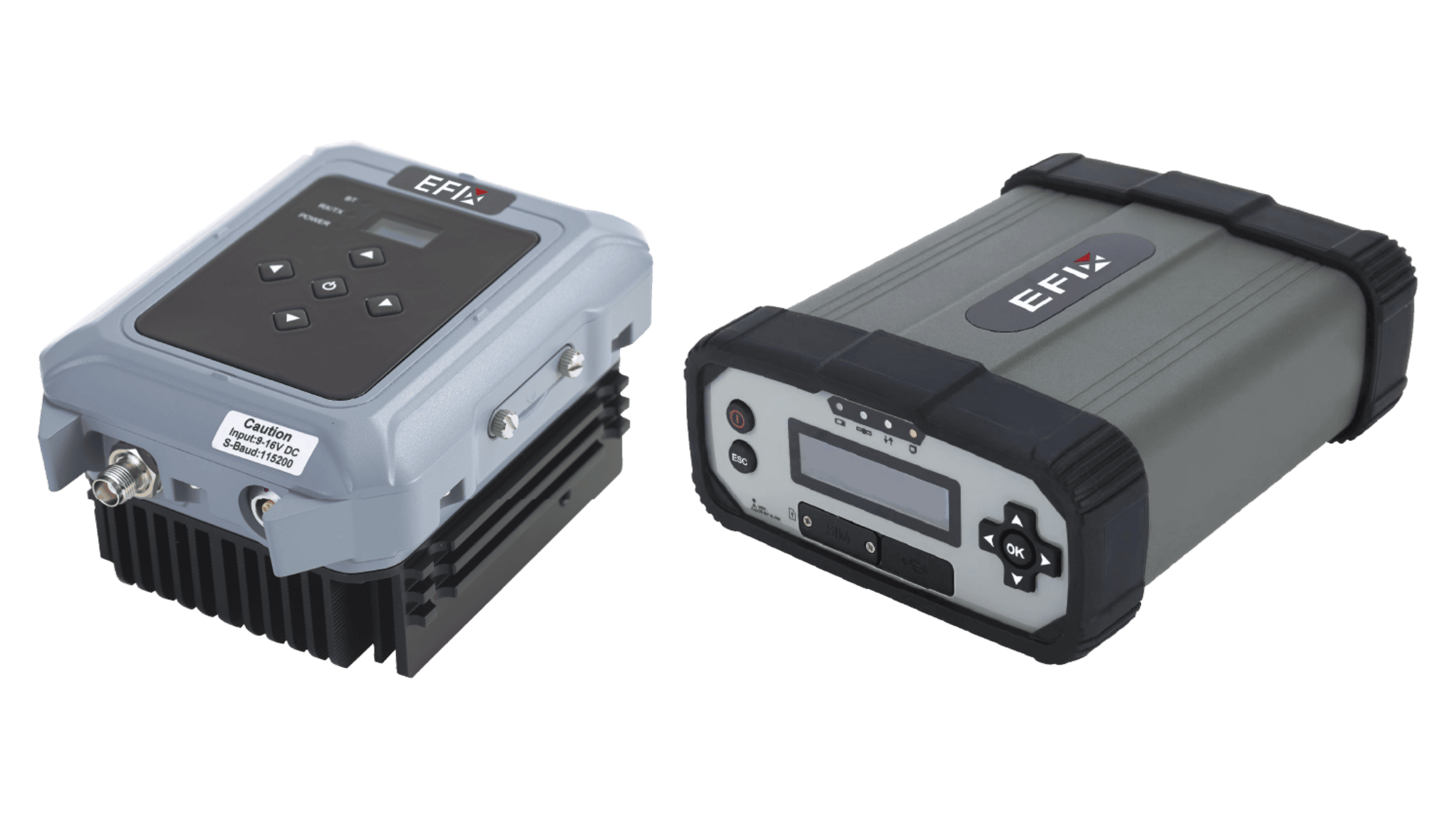
Common Pitfalls of Traditional Farming Solutions
Let’s face it. The typical farmer’s methods can be akin to using a flip phone in a smartphone era—clunky and ineffective. Many still rely on manual steering, leading to inconsistent rows, which not only wastes time but also fuel—talk about throwing money down the drain! I vividly recall a harvest from last year when I helped a friend who had poor alignment throughout the field. We spent an entire afternoon adjusting and readjusting, while the sun beat down. Had he invested in a dependable autosteer system earlier, we could’ve saved ourselves the hassle. Believe me, it feels like this technology is a secret sauce: once you get a taste, you never want to go back.
What Are the Hidden Benefits?
The beauty of tractor autosteer systems extends beyond simply driving straight. They offer automation that not only enhances productivity but reduces the physical toll on operators. Imagine spending hours behind the wheel, concentrated on steering, when you could be monitoring more critical aspects of your operation. Switching to these systems can alleviate stress and prevent costly fatigue-related errors. I’ve seen farmers get home earlier, making time for family or even a well-deserved game on the couch!
Comparing the Past to Future Innovations
As we look towards a future where technology will continue to shape agriculture, tractor autosteer systems stand at the forefront of this revolution. The past has shown us the struggles of manual positioning, but the new advancements promise not only precision but also versatility. Some of the latest models come equipped with GPS integration and real-time data analytics—giving farmers insights into field conditions like never before. Is it really that difficult to imagine being able to track metrics in real-time while having your tractor handle the basic steering?
Real-world Impact
Farmers who embrace these innovations are reaping the rewards. For instance, there’s a farm in Western Massachusetts that adopted advanced autosteer technology last season and noted a 25% decrease in operational costs. That’s less wear and tear on the equipment and more money to reinvest into their operations. It’s not just about steering straight anymore; it’s about making smart choices that lead to tangible outcomes. Honestly, who doesn’t want to be ahead of the curve, right?
Final Thoughts on Riding the Technology Wave
What we’ve learned here is simple: to maximize yields, understanding and adapting to the capabilities of tractor autosteer systems is crucial. These systems aren’t a luxury—they’re becoming a necessity in efficient farming practices. Before choosing a solution, here’s what you should evaluate: ease of installation, compatibility with existing equipment, and of course, the ongoing support from the provider. Embracing these facets leads to development and efficiency in ways that traditional solutions just can’t offer.
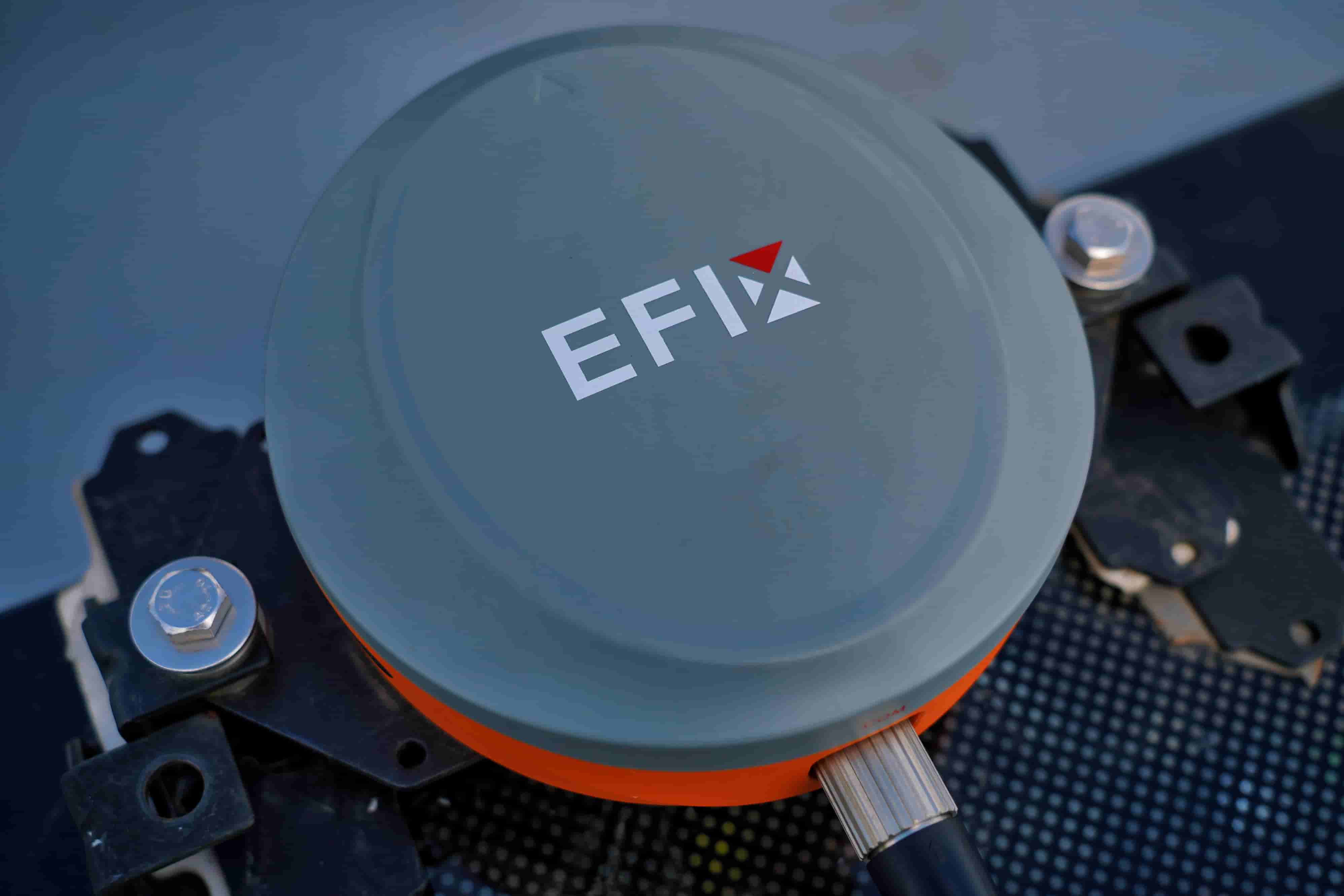
Every field is its own ecosystem, and as we dive further into the future, it’s vital that we embrace these technologies wholeheartedly. So why sit and struggle when you could be embracing the precision offered through EFIX? It’s about more than steering; it’s about steering your future in farming.