
Introduction: The Choice That Shapes the Room
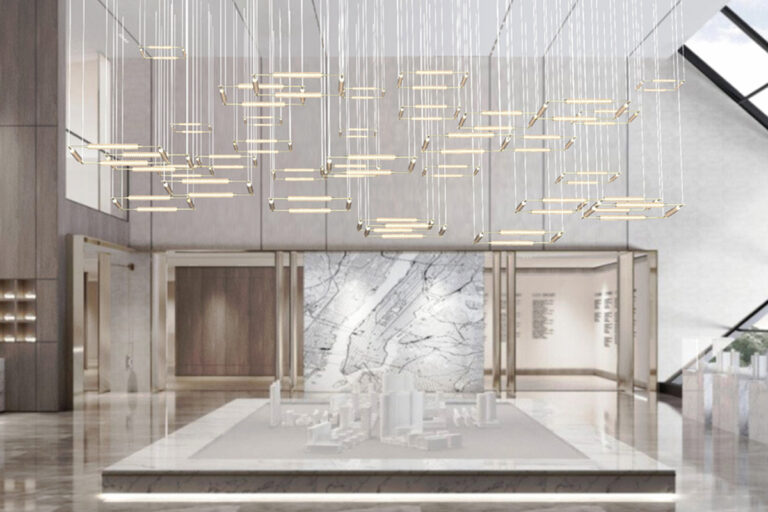
Great ambience is not luck; it is built on clear choices and steady standards. You are choosing a decorative light supplier for a café that stays busy from dawn to late night. In such a scene, one dim corner can change the mood—and the bill. Industry audits often show that lighting can shift dwell time and sales by double digits, depending on placement and glare control (small details, big effects). When you select decorative pendant lighting , you set the tone for both comfort and brand memory. But here is the question: how do you compare suppliers in a way that protects quality, cost, and speed? We see many teams rush to catalog photos or a low unit price. That looks easy today, yet it hides tomorrow’s cost. Does it deliver stable color, safe wiring, and proper heat flow under real hours of use? Or will flicker creep in after a few weeks? Let us walk through a simple frame—clear, fair, and kind to your schedule—so you can judge what matters next.
Deep Dive: Why Old Selection Habits Break Down
Where do traditional approaches fail?
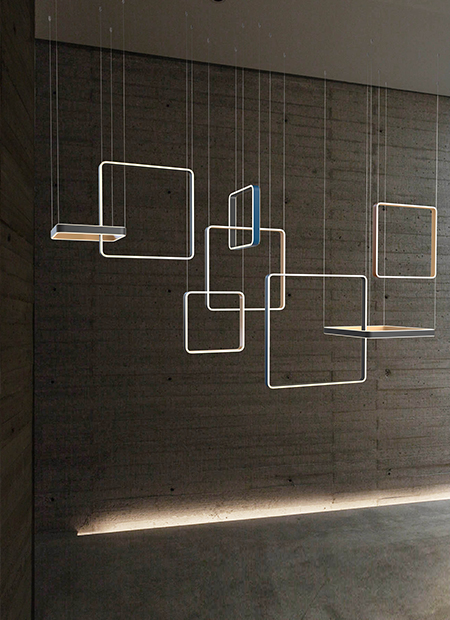
Continuing from earlier points, let us be direct and technical. Many teams pick decorative fixtures by photo first and spec later. With decorative pendant lighting , that path is risky. Photos hide the real drivers, CRI levels, and thermal management. Look, it’s simpler than you think: demand basic photometric facts and driver data up front. If a vendor cannot share IES files, dimmable drivers info (0–10 V or DALI-2), and surge protection details, your risk grows. The lowest unit price often excludes proper power converters, so flicker shows at low dim levels—funny how that works, right? Also check IP rating when pendants hang near kitchens or entry doors; steam, dust, and cleaning agents can shorten life fast. A pretty shell means little without stable internals.
Hidden pain points also come from color and heat. Inconsistent binning leads to mixed tones across tables, which guests notice at once. Poor heat sinks raise junction temperature and cut lumen output, month by month. Ask for data on SDCM color consistency and L70 lifetime, not just “warm white” promises. Confirm cable strain relief and mounting hardware—practical, but vital. Finally, verify lead-time honesty and spares policy. A pendant out for three weeks leaves a dark patch; the room feels unfinished. A good supplier proves consistency with batch labels, quick RMA steps, and clear maintenance notes. That is what keeps ambience steady, service simple, and staff calm.
Next-Gen Principles: Compare on What Lasts, Not What Shines
What’s Next
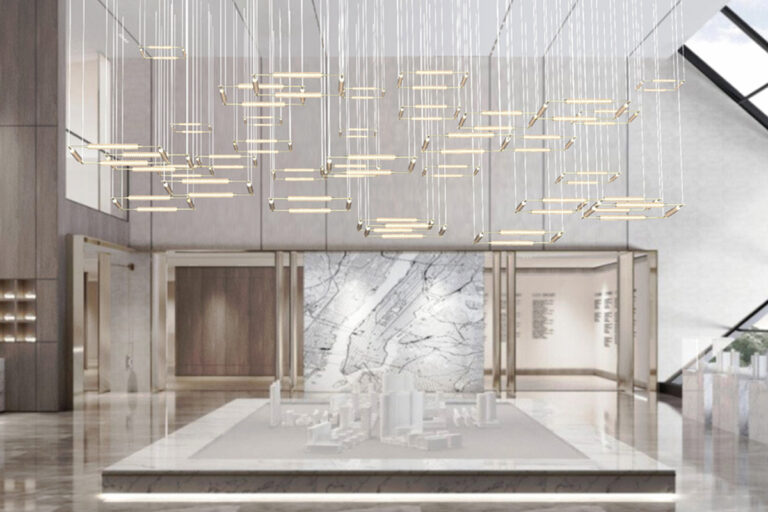
Now, a forward look—semi-formal and focused on what you can test. New lighting stacks lean on smart control and solid electronics. Think stable constant-current drivers, BLE mesh or DALI-2 control, and safe, efficient power converters. Some lines even support edge computing nodes for scene logic at the fixture level (no cloud delay). When you assess a decorative lights company like decorative lights company, ask how firmware updates work, how they handle OTA rollouts, and what failsafe modes exist if a gateway drops. Do they provide real photometric files and glare guidance (UGR), or only marketing lux maps? Can they show thermal test photos and driver MTBF data? These are small checks—yet they prevent big service calls.
Consider a simple contrast. Vendor A supplies pendants with certified DALI-2 drivers, 120–277 V input, and documented surge protection. They run cool, dim smooth to 1%, and report status. Vendor B ships look-alike pendants with generic drivers and no logs. After six months, A holds color within 3 SDCM and reports one service ticket per 100 fixtures; B drifts warm and shows five tickets per 100— and yes, that number matters. The lesson is clear: compare on controls, driver quality, and thermal design before the shade style. The shade can follow; performance cannot.
Practical Close: Three Metrics to Guide Your Choice
To wrap up, bring the insights into a short checklist you can use this week. First, light quality: target CRI 90+, color consistency within 3 SDCM, and a documented glare plan for key seating. Ask for IES files and a real mock-up; verify that dimming is smooth at the lowest levels without visible flicker. Second, system reliability: confirm driver MTBF, surge protection ratings, proper heat sinks, and, where needed, IP65 or better near moisture. Request thermal photos and warranty details that include drivers, not just the LED boards. Third, lifecycle cost: look at failure rate data, lead-time stability, spare parts access, and clear RMA speed. Check whether controls (DALI-2, BLE mesh, or Matter) are supported across the line, not only in a few SKUs. Measure these three areas, and the “nice-looking pendant” becomes a strong, dependable tool. Your team saves time. Your guests feel at ease. Your brand voice stays bright and steady. For continued reference and product examples, see kinglong.