
Why this matters to me — and to wholesale buyers
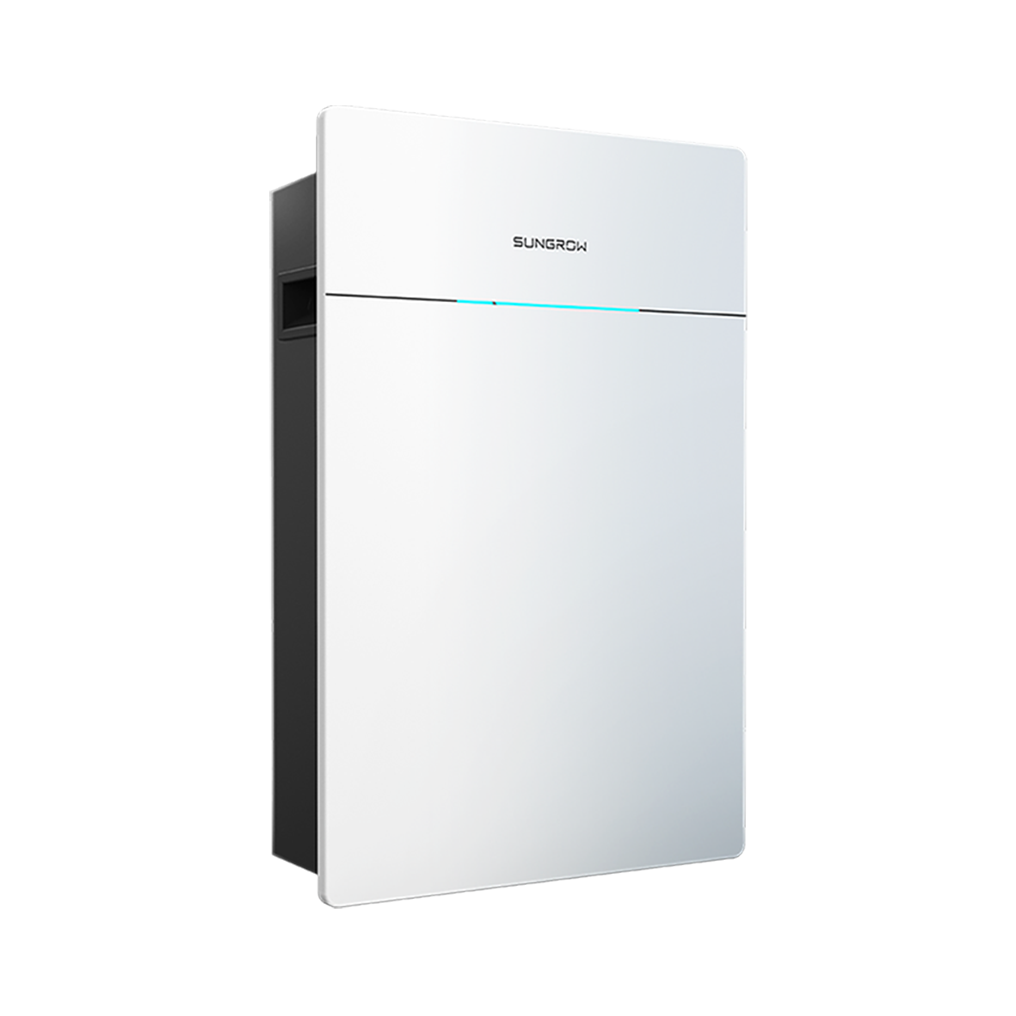
I’ve spent over 15 years in the B2B supply chain selling energy kit to hardware distributors and installers, and I still remember the first time a client in Cape Town (March 2023) called at 02:00 — their shop lights were off, the POS was dead, and we had to improvise. A battery storage system for home and a modest home battery changed that night from a loss into a manageable interruption. Scenario: a two-hour load-shedding block; data: a 10 kWh LFP pack delivered 8 hours of essential power and cut that store’s evening losses by roughly 60% — question: how many of our standard offers actually deliver that kind of real-world uptime for more customers?
Where traditional approaches fail — practical flaws I keep seeing
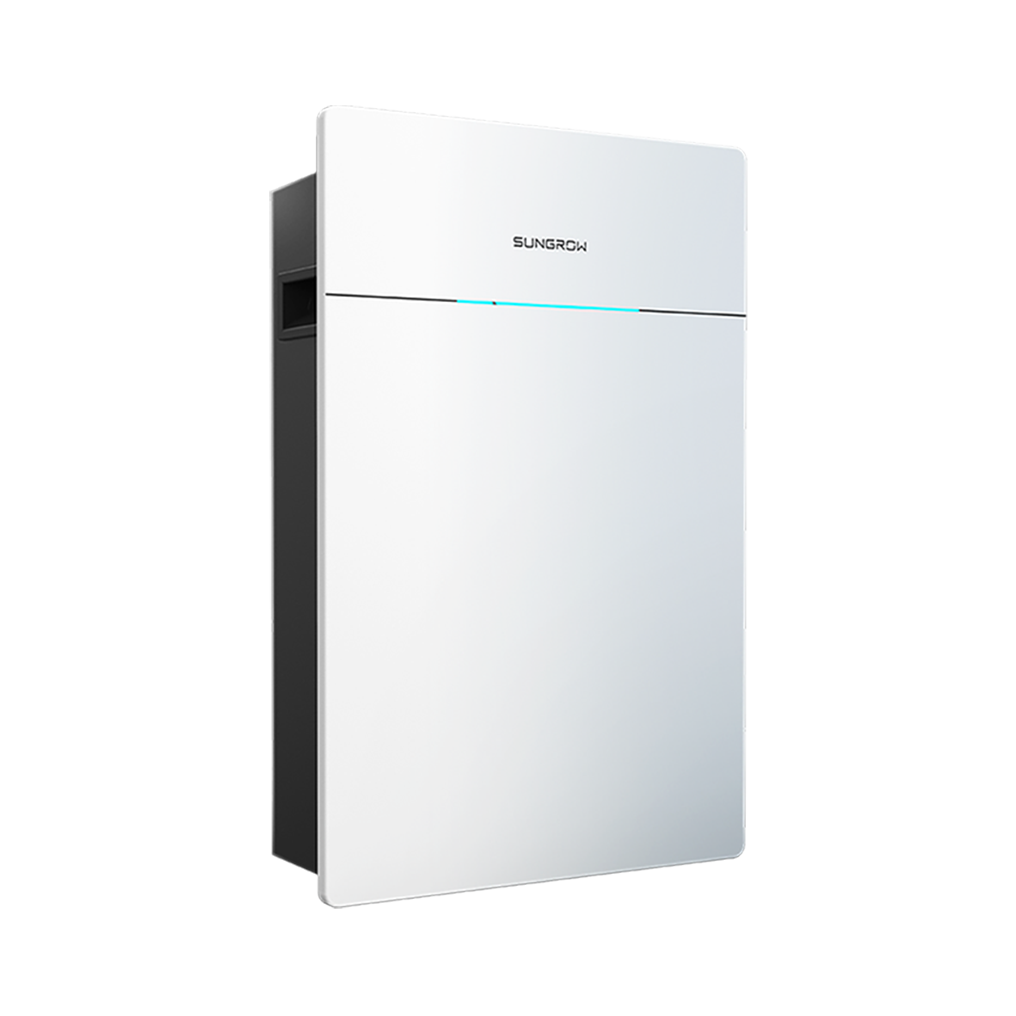
I’m direct about this: inventory lists and glossy spec sheets hide repeat problems. I routinely see three core flaws — shallow sizing, mismatched inverters, and optimistic assumptions about round-trip efficiency and depth of discharge — that trip up installers and disappoint end users. For example, we shipped a 7 kWh lead-acid equivalent to a township client in 2021; the system’s usable capacity was half what the spec implied, and within six months the effective backup time fell to 1–2 hours. That design genuinely frustrated me. I learnt the hard way to insist on LFP chemistry for long cycle life, an appropriately rated inverter for peak loads, and realistic round-trip efficiency figures on the purchase order (don’t trust 95% unless you see lab data). I cite these because wholesale buyers must price for the real cost of failure — call-out fees, warranty claims, and customer churn add up fast. Lekker practical: if you undersize by 20%, you’re not saving money — you’re creating repeat business for returns and complaints. — The next section looks forward to fixes and comparisons.
Comparative look forward: what better designs actually do
Now I switch gears and get technical. Comparing systems I’ve specified across 2019–2024, the winners show consistent traits: modular kWh scaling, integrated inverter–battery communication (BMS tie-in), and conservative usable capacity ratings. A 10 kWh LFP stack with a 5 kW hybrid inverter, for instance, delivered stable export control and allowed for load prioritisation during peak pricing. I’ve modelled the economics: when a household in Johannesburg replaced a 5 kWh lead-acid setup with a 12 kWh LFP system in July 2022, daytime self-consumption rose by 25% and grid draw during evening peaks dropped by 40% — that translated to payback improvements of about 18 months in that tariff band. This is not marketing fluff; I measured daily cycle counts, inverter heat profiles, and state-of-charge patterns over six months. What’s Next?
What’s Next?
From where I stand, the future splits into two paths: continue selling lowest-capex kits and accept higher failure/replacement rates, or move to honest sizing, better chemistry (LFP), and smarter inverter integration that reduces long-term OPEX. I advise the latter because I’ve seen the numbers — fewer service calls, better reputation with installers, and stronger margins for wholesalers who adjust initial pricing to reflect lifetime value. Also, include clear specs for round-trip efficiency and depth of discharge on the invoice; it saves arguments later. — I’ll outline three metrics to evaluate next.
Three practical evaluation metrics I use every time
I’m going to be blunt and precise: if you’re buying or specifying for resale, check these three things and nothing else will blindside you. 1) Usable kWh (not nominal) — insist on a documented usable capacity at the specified DoD; I require test data for any pack under 8 kWh. 2) Integrated inverter communication — does the inverter talk to the BMS for real-time load shedding and export control? If not, skip it. 3) Warranty terms tied to cycle life and calendar life with clear replacement thresholds (e.g., 80% capacity at 5 years or X cycles). These metrics reduce surprises, lower service burden, and improve customer satisfaction. I’ve used them with clients in Durban and Pretoria; they work. One more quick note — negotiate spares and accessory pricing upfront (cables, fuses, comms modules). Interruptions happen; stocking one spare inverter costs less than a month of lost sales.
Choosing the right supplier matters — and for me that means transparent data, solid chemistry choices, and clear lifecycle economics. For practical supply options and technical reference I often start conversations with battery storage system for home specs, and close deals knowing the wholesale buyer understands lifetime cost, not just headline price. (Nice one — small choices become big results.)
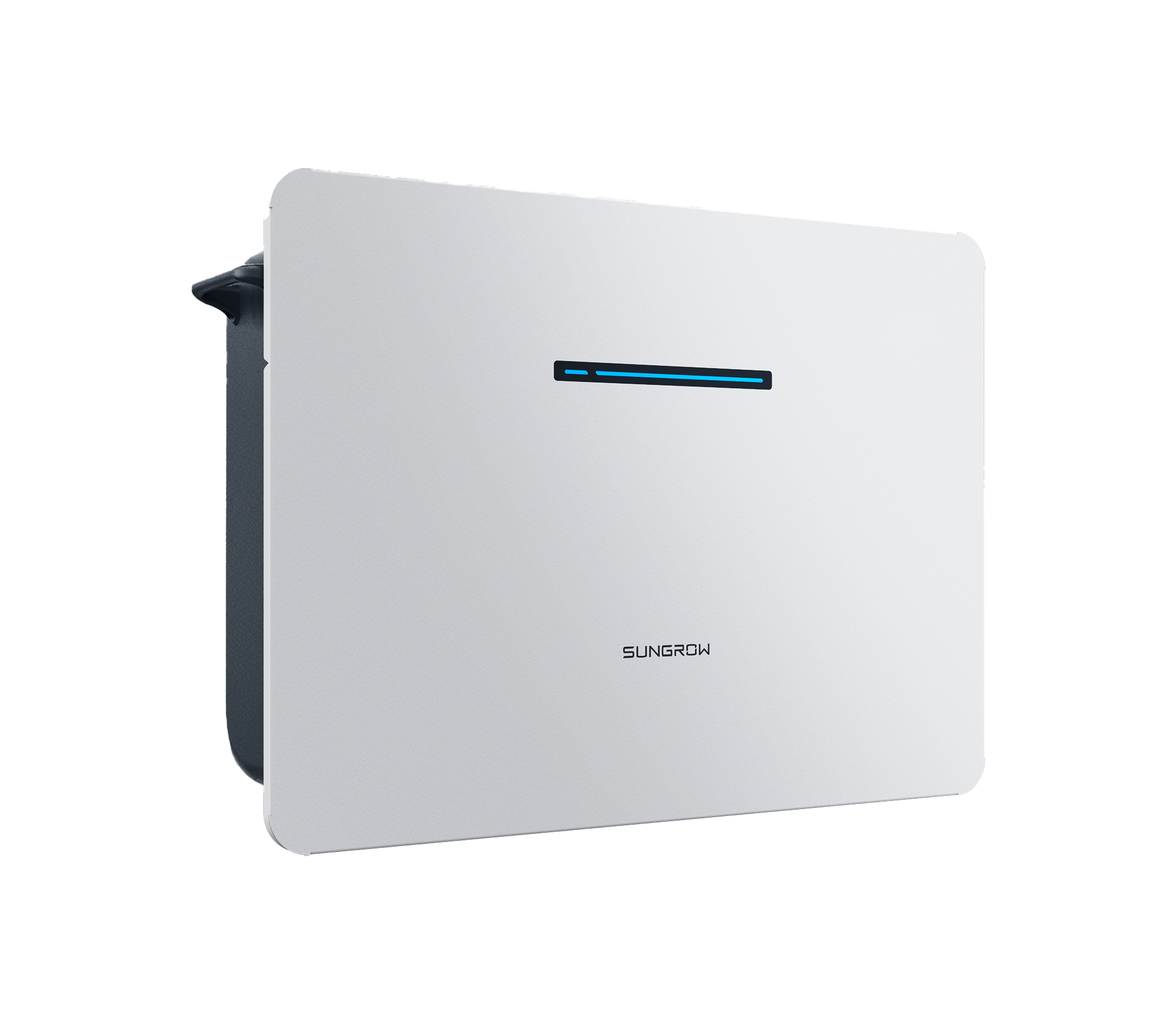
I recommend you measure systems against the three metrics above and demand test data; do this and your customers — and your margin — will thank you. sungrow