
Comparative insight that begins with a choice
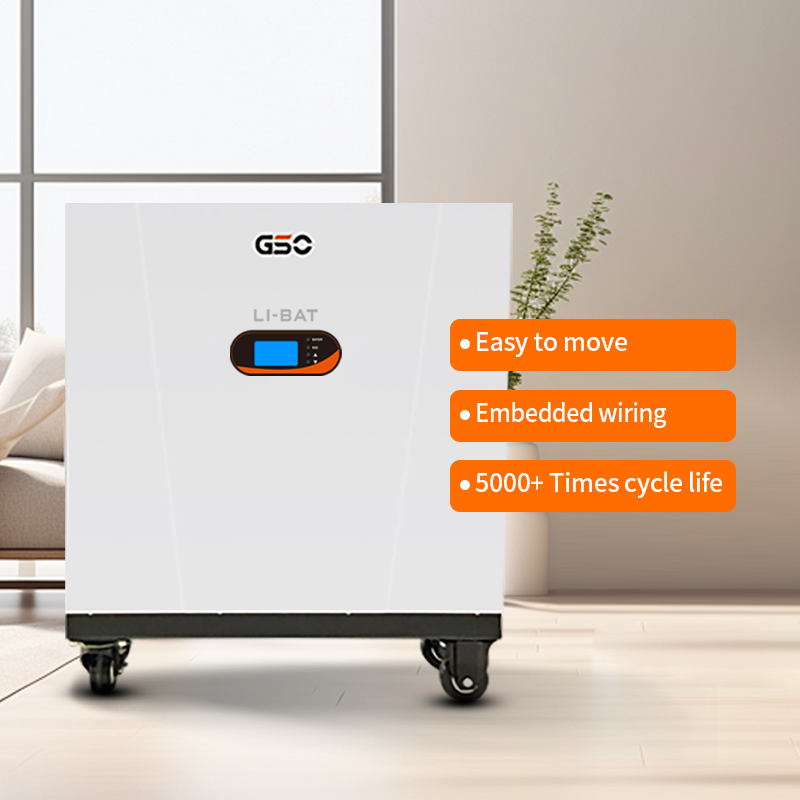
There is a gentle pragmatism to choosing a retrofit: you weigh the poetry of sunlight against the ledger of costs. For many homeowners, adding an battery backup for home to an already-working rooftop PV array is the most appealing stanza — less upheaval, faster installation, and the promise of immediate resilience. This piece compares that AC-coupled retrofit path to the alternative of replacing or upgrading the existing inverter, laying out the economic and practical notes that matter.
How AC-coupled retrofits actually operate
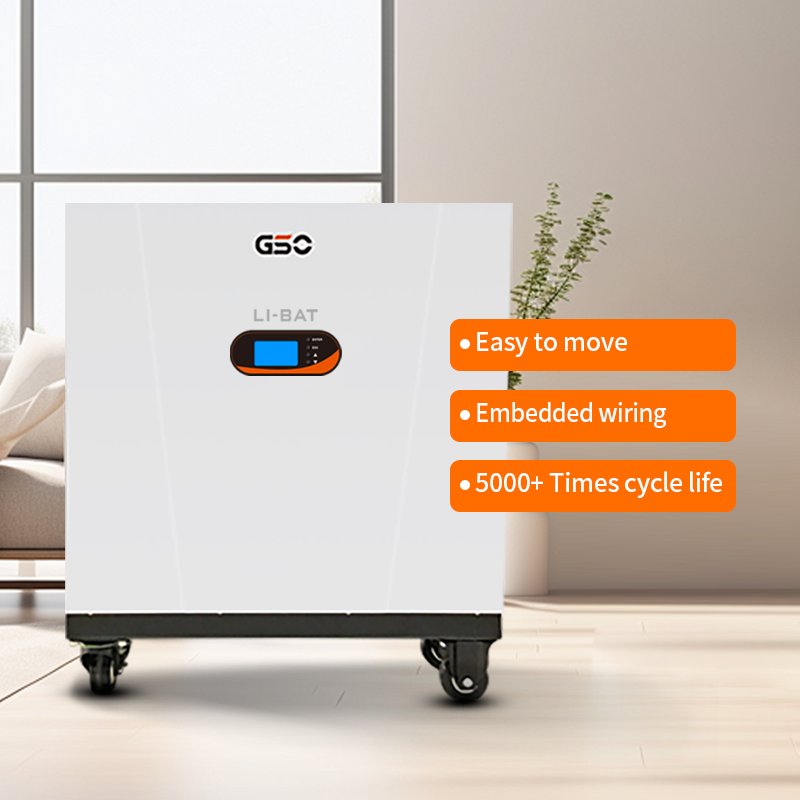
AC-coupled storage sits on the AC side between the grid and your home loads, so the battery’s inverter works alongside your PV inverter rather than replacing it. The choreography is straightforward: solar generates DC, your PV inverter makes AC for the house; when you need stored energy, the battery’s inverter converts stored DC back to AC. This avoids rewiring the PV strings and preserves the original inverter — a lower-disruption approach that keeps installation hours and upfront labor costs modest. Industry terms surface naturally here: AC-coupled, inverter, PV, and battery capacity all shape the technical and financial balance.
Cost, performance, and the true measures of value
Economics favors the retrofit when installation time and soft costs are significant. Upgrading an inverter can cost thousands more and often requires re-certification or new permitting. Yet performance metrics—round-trip efficiency and usable kWh—determine payback. A high-efficiency battery chemistry will return more usable energy per dollar invested; conversely, pairing a new battery with an old inverter may produce modest savings if round-trip losses are large. Real-world anchors matter: California’s public-safety power shutoffs and the 2021 Texas winter outages taught many homeowners that fast installation and reliable islanding ability can be worth a premium when grid outages are a real risk. For a homeowner deciding today, the question is whether the retrofit delivers enough reliable kWh during outages and peak periods to justify the spend.
When AC-coupling wins — and when it doesn’t
AC-coupling shines when the existing PV inverter is healthy, warranties remain intact, and the goal is cleaner, quicker resilience with modest disruption. It is ideal for adding a 5–20 kWh battery bank to charge from both the grid and the PV. But if the inverter is old, incompatible with modern export controls, or near end-of-life, replacing it can be the wiser long-term play. System architects will also look to throughput limits and export settings; sometimes the invisible barriers inside legacy firmware make integration limp rather than graceful — choose with an eye for longevity.
Common mistakes and the graceful corrections
Homeowners often assume any battery fits any system, and that is a costly romance. Mismatched communication protocols, overlooked site-specific permitting, or skipping a thermal assessment are frequent errors. Installers should also avoid undersizing the battery for real outage needs — a rule of thumb is to calculate critical-load kWh first, then size the battery to cover that need plus a margin. Also, do not neglect serviceability: ensure the battery and its inverter offer clear diagnostics and replaceable components. These small choices prevent bitter surprises later — and make the system sing together.
Alternatives to consider before signing
DC-coupled systems, which integrate storage on the DC bus ahead of a hybrid inverter, usually deliver slightly better round-trip efficiency and can reduce conversion steps. They can be more elegant technically but often require full system rework. Hybrid inverters that combine PV and battery control remove the complexity of two inverters but come at a higher upfront cost. For many households the middle road — AC-coupled retrofit — balances capital expense and speed of deployment. If peak shaving or export control is a priority, ensure the chosen residential energy storage system supports programmable tariff response and export limits.
Advisory — three golden rules for evaluation
1) Measure actual outage needs: size by usable kWh for critical loads, not by total battery nameplate. 2) Inspect the existing inverter’s health and firmware: a healthy inverter extends value; an old one can hollow out savings. 3) Prioritize round-trip efficiency and clear communications protocols to ensure seamless coordination between PV and storage. Each metric is practical, measurable, and will steer you to better results.
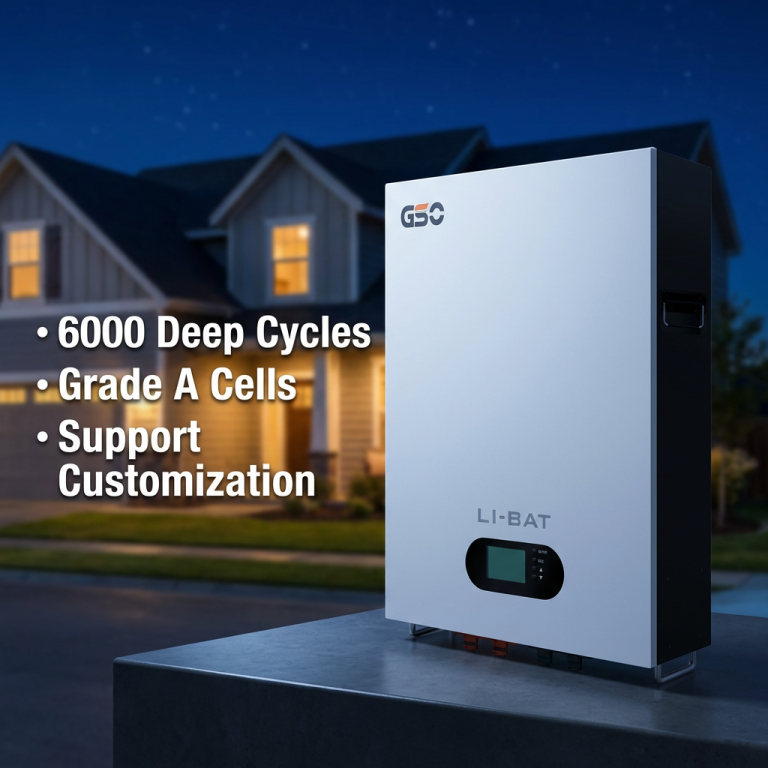
The practical beauty of an AC-coupled retrofit is that it often delivers resilience with restraint — modest cost, fast installation, and compatibility with many rooftop systems. For thoughtful homeowners who want reliable backup without reinventing their entire solar setup, gsopower represents a sensible, experienced partner in that pursuit. —