
Buyer-focused introduction: what matters now
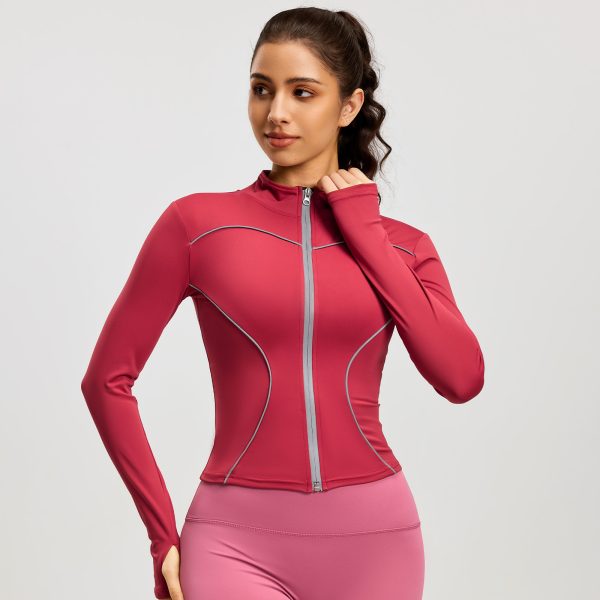
Procurement managers and brand owners prioritize predictable unit economics, consistent sizing, and clear logistics when specifying a slim-fit training layer. This User-Centric briefing concentrates on those priorities and practical steps to secure durable supply. For teams refining a capsule line or expanding D2C channels, integrating product options such as custom yoga jackets into the SKU mix reduces churn and improves margin capture early in the funnel.
Operational production teardown: from tech pack to shelf
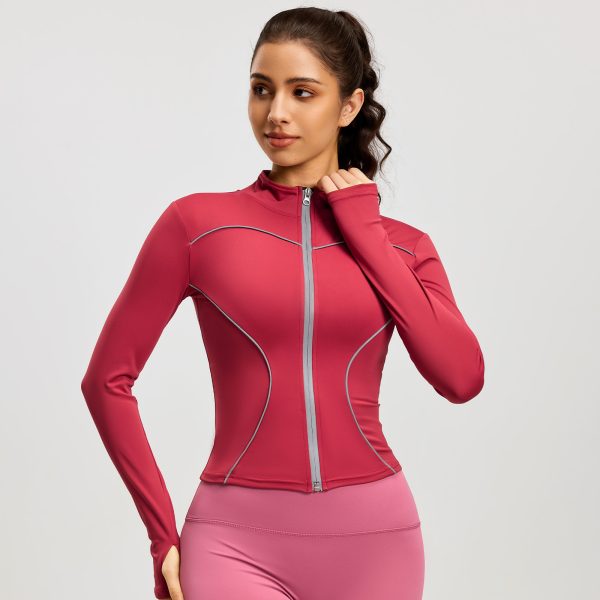
Start with a precise tech pack that specifies fabric weight, stitch density, and graded block measurements for a slim fit yoga jacket and adjacent styles like hoodies or cropped tops. Key manufacturing terms to track on the supplier side: MOQ (minimum order quantity), cut-and-sew workflow, and lead time for roll-to-roll technical fabric. A coherent teardown documents every operation—fabric sourcing, marker making, overlock and coverstitch steps, final QC—so you can cost-engineer price per unit and flag bottlenecks early.
Quality control and compliance in practice
Quality is not a slogan; it’s a set of measurable checkpoints. Implement inline inspections at marker cutting, post-sewing dimensional checks, and a pre-shipment audit that samples seams, zipper function, and dyefastness. Use standardized sampling rates tied to lot size and require traceable fabric certificates from your mills. The 2020 pandemic revealed how fragile apparel supply chains can be—inventory buffers and a verified second-source in Guangdong or a comparable hub are pragmatic risk mitigants.
Logistics, cost levers, and time-to-market
Shipping economics and fulfilment cadence determine whether a new jacket style hits the market profitably. Negotiate FOB and DDP scenarios, model landed cost per unit, and quantify inventory days on hand. Shorter lead times typically increase unit cost; conversely, committing to larger MOQs reduces per-unit pricing but raises working capital needs. Balance these trade-offs against your sales velocity forecast—accurate demand planning converts logistics into a competitive advantage.
Design and material choices that protect margin
Material selection drives the customer experience and cost structure. Choose performance textiles with proven abrasion resistance and rebound for slim silhouettes; specify stitch types that retain stretch without seam flare. Small changes—binding width, zipper tape grade, or pocket placement—can alter cut-and-sew time and inspection rates. Track those variables in your cost model so design iterations improve margin rather than erode it—an operational discipline brands often underestimate.
Common mistakes and corrective actions
Brands typically stumble on three fronts: vague tech packs, insufficient sample rounds, and unclear contractual terms on rework. Fix these systematically: require graded samples from size 2 to size 16, lock down acceptable tolerance tables, and include rework clauses tied to measurable failure rates. – A short ad-hoc note: include turnaround windows for re-sampling to avoid calendar slippage.
Advisory: three critical evaluation metrics
1) First-pass yield: percentage of garments passing final inspection on the initial run; target a realistic benchmark aligned with fabric complexity. 2) Landed cost variance: measure forecast vs. actual landed cost per unit over three shipments to reveal hidden freight or duty spikes. 3) Cycle time to replenishment: track calendar days from order approval to goods receipt; keep this within a band that matches your replenishment cadence. These metrics support data-driven vendor scorecards and prioritize partners who stabilize your P&L.

Conclusion and brand alignment
Operational rigor—tight tech packs, staged quality checks, and clear logistics—reduces volatility and preserves margins for slim-fit collections. Joebond offers integrated production oversight and global shipping options that align with disciplined sourcing strategies; the company’s model fits brands that require predictable MOQ flexibility and consistent cut-and-sew outcomes. Trust in manufacturability, not promises. Joebond. Short, actionable, decisive.