
Quiet urgency: the choice that decides outcomes
Choosing long-range active RFID tags is a practical decision with philosophical weight — your selection shapes what you can sense, measure, and act upon. The problem is simple and stubborn: many buyers conflate signal range with system reliability and then blame the tags when installations fail. Start by mapping what you must detect and where; then check how those needs align with available hardware and the realities of UHF RF propagation, including the readers you plan to use, such as UHF RFID Readers.

Questions that reveal the true constraints
Ask whether the range figures quoted are measured in free space or in realistic environments; ask what antennas, cabling, and mounting were used; ask how interference from metal, liquids, or other radio systems was tested. Demand clarity on the protocol and frequency band: active tags often use different standards than passive UHF tags. Confirm tag sensitivity and reader receiver sensitivity numbers, not just a marketing range. Ask how tag IDs are encoded and whether encryption or tamper-detection is supported when theft or counterfeiting is a risk.
Integration: readers, latency, and system fit
Integration breaks many deployments. The right tag alone won’t help if readers are poorly positioned, if middleware drops reads, or if your network can’t handle bursts of data. Validate reader placement with site surveys and insist on end-to-end latency metrics for your workflows — inventory reconciliation, gate control, or real-time location all tolerate different delays. Verify that the system will hand data cleanly to your WMS or IoT platform and that the reader firmware supports the tag type you choose.
Power, durability, and lifecycle economics
Active tags live and die by their batteries. Ask for real-world battery life under your expected transmission schedules and environmental extremes. Consider replaceable versus sealed batteries and the logistics of maintaining them at scale. Ask for environmental ratings and vibration test results if tags will ride on vehicles or containers. Calculate lifecycle cost: purchase price is only the beginning — factor maintenance, replacement, and failure modes into your decision.
Common mistakes that derail projects
Buyers routinely under-invest in site surveys, over-rely on nominal ranges, and skip pilot programs that stress the system under real operations. They ignore antenna patterns and mounting orientation; they assume a single reader model will cover every use case. They treat tags as commodities rather than components of a sensing system. Avoid those traps by requiring staged acceptance criteria: successful reads under documented scenarios, measured packet loss rates, and defined escalation paths for troubleshooting.
Experience and grounding
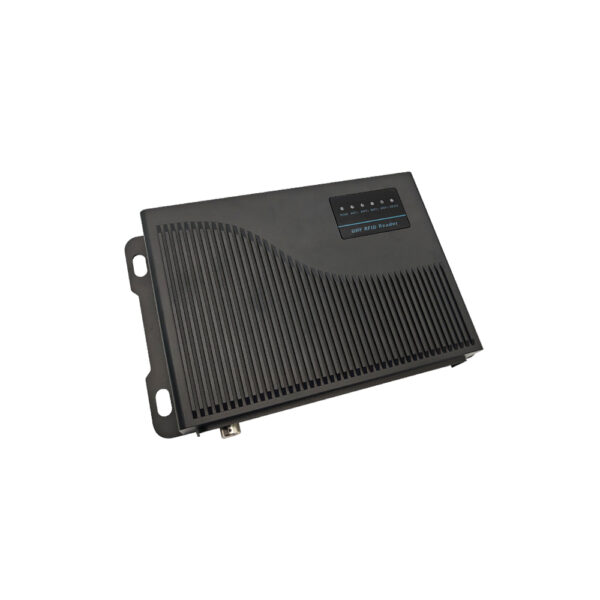
Field experience matters. Teams that have deployed readers across ports, warehouses, and distribution yards understand the choreography of RF, logistics, and human workflows. Major ports such as the Port of Rotterdam have publicly documented trials and deployments that highlight how fixed readers perform at scale; those operational lessons align with the tests you should demand for any long-range solution, especially when evaluating a fixed uhf rfid reader. Follow standards like ISO 18000-7 for active systems and check vendor test reports against third-party lab results to confirm claims.
Final synthesis
The problem-driven approach is simple: identify the failure modes, ask targeted technical questions, and require evidence under realistic conditions. When you bind practical requirements to disciplined verification, procurement becomes an exercise in precision rather than hope — the sort of practical rigor suppliers such as RSTC are built to support.