
Start here — a practical, human-first premise
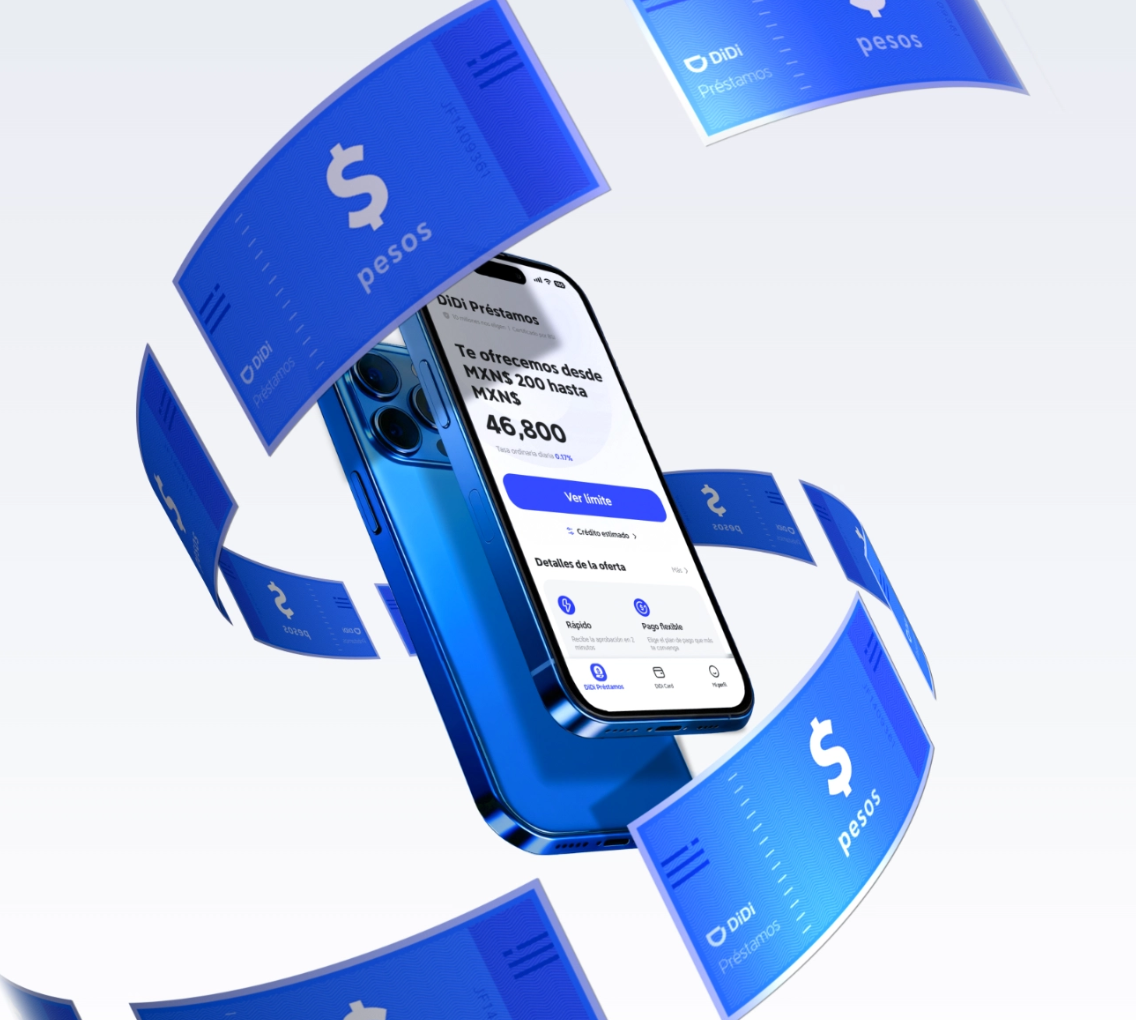
Most credit journeys start with a small decision made on a screen: buying a pair of shoes, booking a ride, or choosing a payment plan. If you use digital tools thoughtfully, that moment becomes the seed of a reliable credit history. The easiest way to practice this is with familiar products like the didi card, which surfaces payment behavior, installment options, and statements directly on your phone so you can shape your credit score through daily habits.
Why your phone now functions as your primary financial ledger
Your mobile device stores transactions, reminders, and notification trails that used to live in paper bills. That trace — repeated payments, timely installments, and stable usage — feeds into what lenders and the credit bureau see. The pandemic accelerated mobile payments in Mexico City and across many urban centers; people who used BNPL and mobile wallets after 2020 began to generate digital footprints lenders could evaluate. For someone building credit, that digital ledger is an asset: consistent repayments lower perceived risk, steady on-time activity helps credit utilization, and small, disciplined use of a credit limit demonstrates responsibility.
Concrete steps to improve your credit profile from the handset
Adopt a routine that prioritizes predictability and documentation. Follow these actions on repeat:
– Register and verify accounts that offer statements and in-app history. Use apps that present clear installment schedules so you never guess when a payment posts.
– Set calendar reminders or automatic payments for every due date; automation defeats forgetfulness and avoids late fees that hurt a credit score.
– Keep utilization low: use a fraction of your credit limit rather than maxing out a card, and pay down balances before the statement closing date to report lower usage to creditors.
– Reconcile monthly: review receipts, flag anomalies, and save screenshots of confirmations. That record simplifies dispute resolution and helps you correct errors with credit bureaus faster.
Common mistakes that stall progress
People often assume more credit equals better credit — a misconception that creates fragile patterns. Chasing higher limits or opening many accounts in quick succession raises hard inquiries and fragments your history. A second mistake is ignoring the small fees and interest rates that compound; a handful of missed installments on BNPL plans or credit cards can reverse months of good behavior. Lastly, relying solely on notifications without checking statements breeds oversight. — Pause for a moment: the most disciplined credit builders aren’t those who chase new offers but those who steward what they already have.
Alternatives and how tarjeta didi card compares
Not every tool fits every need. Traditional bank credit cards often provide broader acceptance and perks but come with higher interest rates and slower onboarding. Pure BNPL apps offer frictionless checkout but sometimes lack formal reporting to credit bureaus. The tarjeta didi card aims to combine in-app clarity of installments with routine reporting, striking a balance: easy mobile management plus the steady data lenders look for. Choose based on which product reports on-time payments consistently, how it handles late payments, and whether it provides a clear view of your credit limit and charges.
Three golden rules to measure and choose progress
Track these three metrics regularly; they indicate real improvement and help you evaluate tools and habits:
1) Payment consistency: the percentage of on-time payments over the past 12 months. Aim for 98% or higher — it’s the single most predictive signal of creditworthiness.
2) Reported utilization: the average ratio of reported balances to credit limit. Keep it under 30% and lower if possible; fluctuations matter more than a single low month.
3) Account age and inquiry cadence: length of history and number of recent hard inquiries. Longer, quieter accounts signal stability; avoid opening multiple lines in a short window.
These rules point you to practical choices: automate payments, prefer products that report to bureaus, and prioritize steady use over flashy offers. For practical help that ties these elements together, consider how a trusted platform like DiDi Finanzas presents statements and installment plans in-app — it can make disciplined behavior visible and defensible when lenders evaluate you. –