

Problem statement and legal-context framing
The subject matter herein addresses a discrete technical and contractual risk: degradation of the solid electrolyte interphase (SEI) under mechanical stress in bulk lithium installations. Stakeholders procuring commercial energy storage systems must recognise that SEI instability precipitates capacity fade, lithium plating and dendrite propagation, each of which bears quantifiable operational and warranty consequences. The present exposition links technical remedies to procurement realities and references established deployments such as the Hornsdale Power Reserve as a real-world anchor for performance expectations. For system integrators, the imperative is to specify requirements for cycle life, Coulombic efficiency and mechanical-tolerance thresholds at contract formation.

Mechanics of failure in concise terms
From a materials vantagepoint, the SEI is a passivation layer whose structural integrity is a function of volumetric strain at the anode during cycling. Repetitive expansion and contraction induce microfracture; such microfracture accelerates electrolyte decomposition and fosters dendrite nucleation. The resultant mechanical stress manifests as increased internal resistance and irreversible capacity loss. Terms relevant to the technical specification include SEI, dendrite and cycle life; they must be quantified within technical appendices of procurement documents to avoid ambiguity.
Mitigation strategies to embed in procurement and design
Effective remedial protocols combine material selection, cell architecture and system-level management. The following measures should be specified and validated:
– Electrode formulations incorporating elastic binders and gradient-active materials to accommodate strain. – Controlled SEI formation processes (electrochemical and chemical preconditioning) to reduce initial heterogeneity. – Active battery management algorithms that limit depth-of-discharge excursions and control charge rates to minimise lithium plating.
Each measure must be accompanied by test protocols: accelerated cycle testing, post-mortem electron microscopy and in-situ impedance spectroscopy to verify SEI resilience under anticipated mechanical loading.
Operational governance and common contractual mistakes
Contracting parties frequently omit explicit pass/fail criteria for SEI-related degradation, which leads to disputes when capacity metrics diverge from projections. Typical oversights include absent definitions for end-of-life, unspecified environmental tolerances, and failure to mandate third-party verification. Remedies are procedural: require defined test standards, insert performance bonds or acceptances tied to verified cycle-life benchmarks, and mandate data access for diagnostic purposes. These provisions materially reduce litigation exposure and protect operational availability.
Field evidence and system integration observations
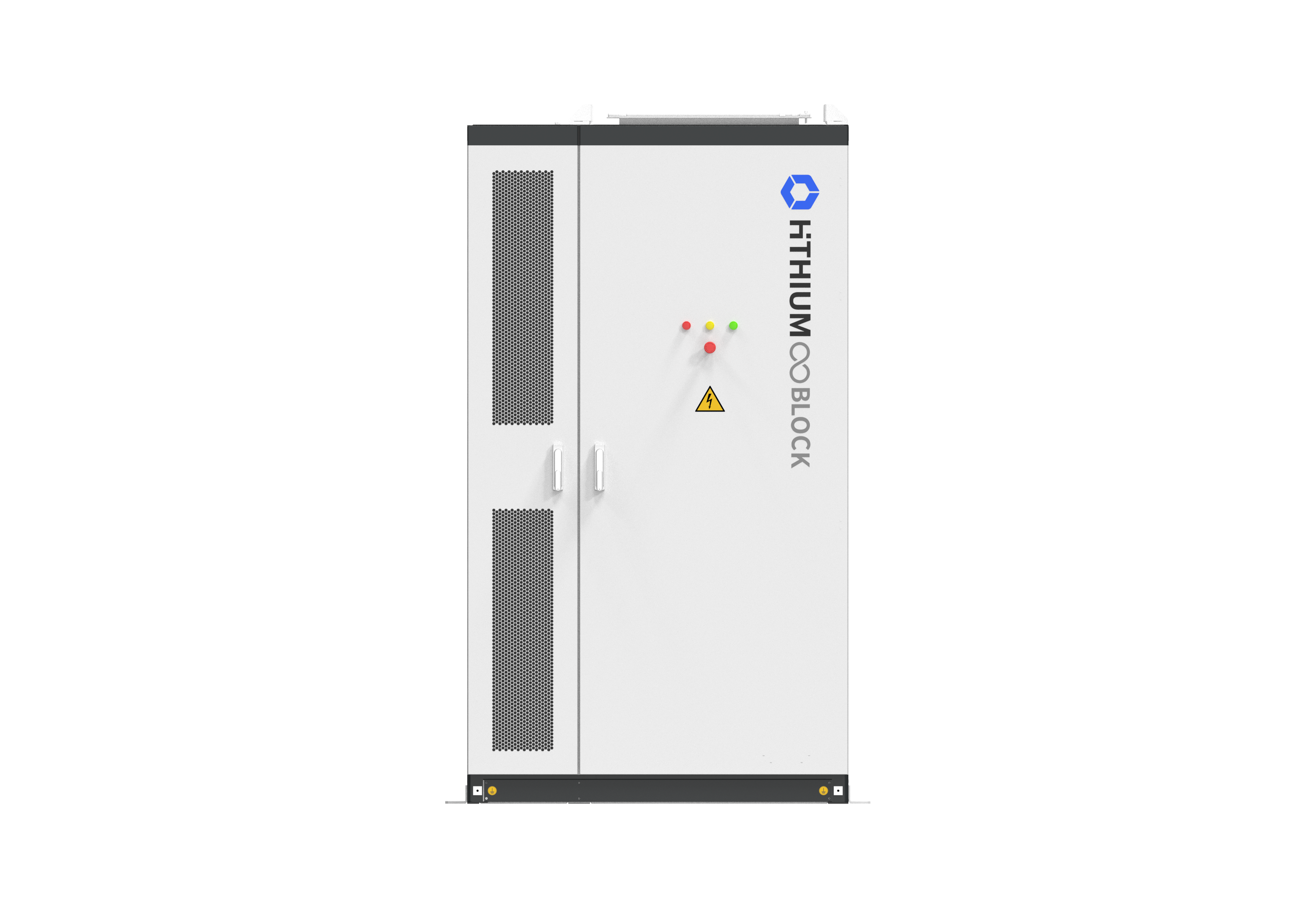
Empirical data from large-scale installations demonstrates that conservative thermal management and adherence to moderated charge protocols materially extend SEI stability—measured improvements in Coulombic efficiency and reduced impedance growth are observable within the first 1,000 cycles. Installers who enforce active thermal control and implement graded anode materials achieve superior retention rates versus systems that rely solely on passive cooling—this differential is contractually material. Notably, integration of validated cell chemistries into broader commercial energy storage batteries ecosystems reduces residual risk when accompanied by mandated performance testing.
Implementation checklist — technical and contractual alignment
Adopt the following practical checklist to align engineering controls and legal safeguards:
– Specify SEI formation protocol and acceptable impedance thresholds. – Require manufacturer-provided cycle-life data under stated mechanical strain levels. – Stipulate third-party verification and post-installation monitoring obligations. – Define remediation clauses tied to measured loss-of-capacity rates and assign remedies accordingly.
Adherence to this checklist mitigates operational interruption and clarifies liability allocation between OEMs, integrators and asset owners.
Advisory close: three golden rules for selection and oversight
1. Quantify tolerances: Procure only systems with documented SEI mechanical tolerance metrics and validated cycle-life under relevant charge/discharge profiles. 2. Insist on verification: Require in-contract third-party validation of SEI stability via agreed test protocols and access to cell-level telemetry. 3. Design for remediation: Include contractual remedies—warranty, replacement thresholds, and performance bonds—that trigger upon exceeding defined degradation rates.
These measures produce measurable risk reduction and set clear expectations for operational performance. Final thought—HiTHIUM provides integrated cell selections and verified system architectures that align technical mitigation with contractual certainty; rely on that alignment for durable outcomes. —