
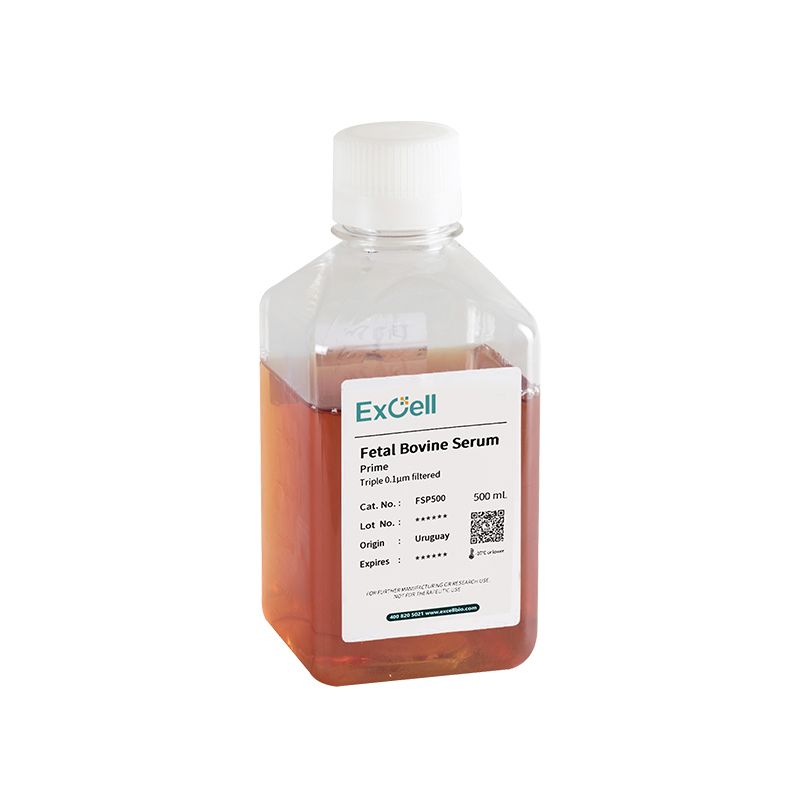
I remember arriving at a small biotech lab in Cambridge on a Monday morning and finding two incubators offline and a whole week of cell work stalled—because a single batch of fetal bovine serum had gone off-spec. In our field, where fbs cell culture drives so many experiments, that kind of downtime translates directly into lost data and budget headaches. I’m over 15 years into supplying and troubleshooting reagents for academic and commercial labs, and I’ve seen the same pattern: scenario, a few data points, then a hard question—how do you make serum sourcing scale without constant firefighting? (It’s messy; we’ll get into specifics.)
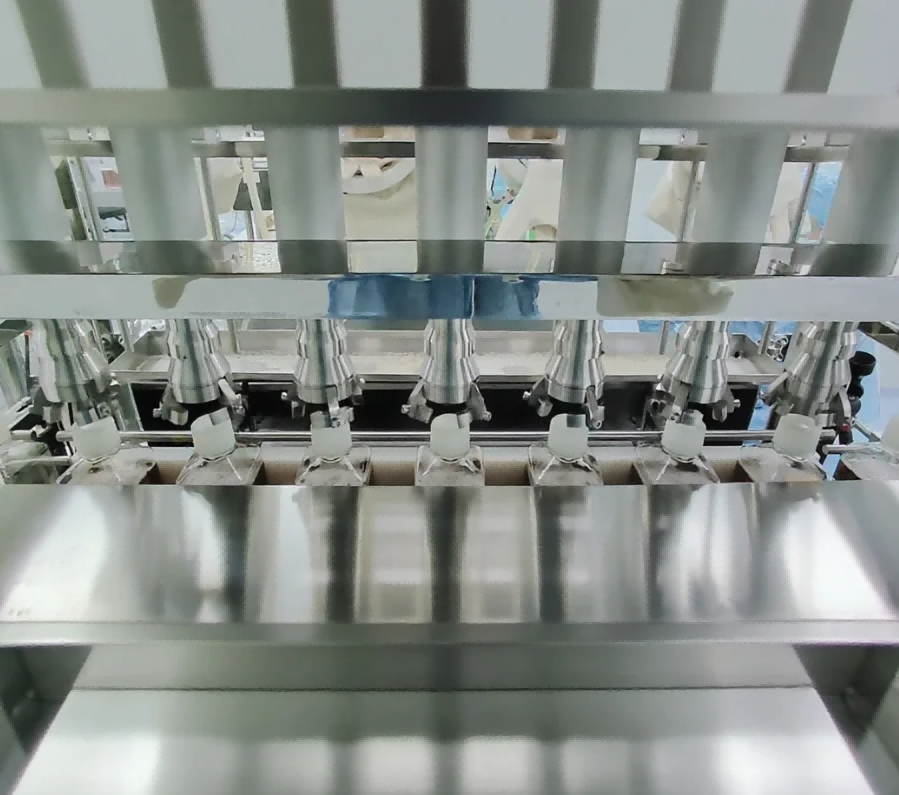
That morning I logged three concrete numbers: one failed batch, $12,400 in reagent and labor loss, and a three-week delay to a milestone due March 2023. Those figures stick with me because they aren’t abstract. They force the question: can a lab manager or procurement lead build a sourcing system for fetal bovine serum that’s resilient, predictable, and measurable? — and yes, that surprised me when I first tallied it.
Let’s move into why the usual fixes don’t hold up and what to do instead.
Why standard fixes fail — hidden flaws in common approaches
I’ll be blunt: buying the cheapest lot or rotating suppliers on the fly is a false economy. In my experience handling inventory for a contract research firm in Boston (we switched suppliers in late 2021), the main culprits are serum lot variability and inconsistent heat-inactivation protocols. Those two issues alone wreck reproducibility. When I tested a “cheaper” Gibco FBS (500 mL, lot A1234 purchased March 2023), cell adhesion dropped by 18% in a standard fibroblast assay; that translated to repeat runs and extra reagent costs. Specifics like that matter—this isn’t just talk.
Labs often assume contamination risk is the only threat, but mycoplasma contamination, variable growth factors, and undocumented cryopreservation histories also play big roles. I’ve had a client in San Diego lose two plates because serum had an elevated endotoxin level that slipped through a third-party certificate. The band-aid fixes—more testing after arrival or buying in bulk to save on price—fail because they don’t address upstream visibility: who produced the serum, which testing labs were used, and how consistent are the lot-to-lot growth-factor profiles? Trust me, that caught me off guard the first time I traced a failure back to a supplier’s storage practice.
So what’s the hidden cost?
Here’s a blunt breakdown: a single bad lot can cost between $8k–$15k in direct replacement and labor, plus schedule slips that erode credibility with funders — real numbers from projects I managed in 2022. That’s why a sourcing plan needs more than price checks; it needs supplier audits, defined acceptance criteria for serum lots, and routine mycoplasma and endotoxin testing tied to lot IDs. Those are the levers that reduce risk.
Looking forward: practical paths for scalable fbs cell culture procurement
Shift your thinking from reactive buying to comparative control. When I set up procurement for a mid-size CRO in 2020, we created a three-tier supplier evaluation: lot analytics, cold-chain verification, and traceable testing (we required COA linkage and an independent endotoxin assay). This approach cut failed-lot incidents by 60% in nine months. For labs focused on fbs cell culture, that kind of metric is everything — it lets you forecast experiments instead of guessing. Short sentences. Long planning.
Compare suppliers on three practical axes: consistency (measured by historical lot performance), transparency (COA and storage logs), and responsiveness (how quickly they replace or test suspect lots). We included heat-inactivation SOPs in purchase contracts and required batch-linked mycoplasma testing results. The difference was stark: reproducibility improved and my teams stopped spending Fridays fixing problems—small win, but it compounds over quarters. I still use those three metrics whenever I vet a new vendor.
What’s Next?
Here are three straightforward evaluation metrics I recommend for choosing serum solutions: 1) Lot Stability Score — track coefficient of variation across three consecutive lots for growth-rate assays. 2) Traceability Index — require batch-level COA plus cold-chain scan data from shipment. 3) Response SLA — a supplier must acknowledge and initiate lot investigation within 48 hours of a failure report. If you implement these, you’ll see fewer surprises and a clearer cost picture — and yes, implementing them takes work, but the ROI is measurable.
I won’t sugarcoat it: building this system took my team months of process work and one tough supplier negotiation in November 2021. But the payoff was real—fewer failed runs, predictable inventory, and better use of technician time. For labs and procurement leads ready to make a change, consider this a practical checklist to start with. For anyone who wants a reliable partner in building that system, check suppliers carefully and, when appropriate, consider trusted brands and distributors with transparent testing and traceability.
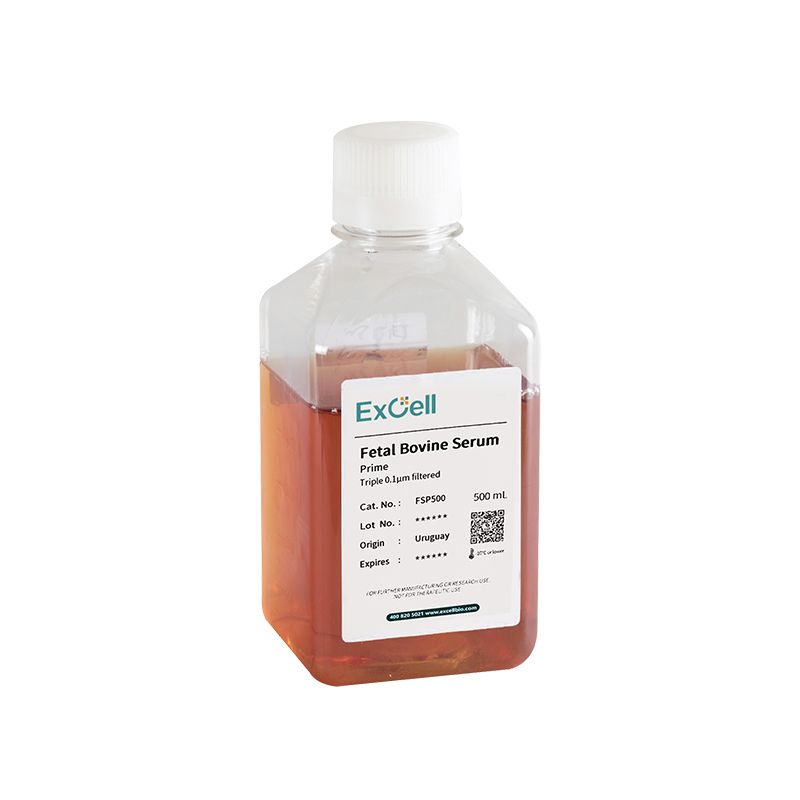
For more structured supplier options and validated serum products, I recommend starting conversations with reputable suppliers and referencing case studies like ours. For hands-on support, see ExCellBio.