
Introduction
The other day I watched a delivery van stall at a red light and thought, “That could have been avoided.” I read that motor-driven failures still cause a surprising share of downtime in small fleets — roughly 20% in some reports — and that got me thinking about the machines behind the scenes. In this piece I’ll talk about the electric motor as a practical tool, not an abstract spec on a sheet. I like to keep things simple and local (saudade and all), and I’ll show you what really matters when a motor meets a user. Why do some systems feel smooth while others feel clunky? What choices create that difference? Let’s move into the real problems and what we can do next.
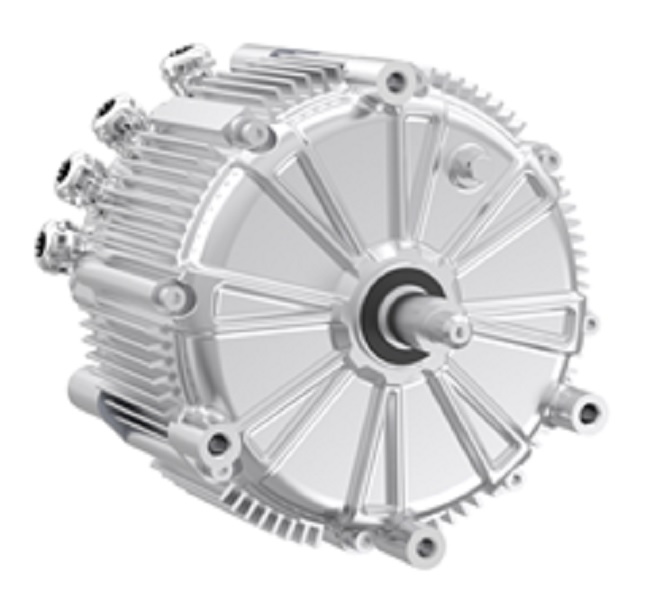
Why Traditional Fixes Often Miss the Mark
When people try to fix motor issues, they often start with the obvious: bigger torque, thicker wiring, or a higher-rated inverter. Those moves help sometimes, but they miss deeper faults. For example, many teams focus on raw power while ignoring thermal management and transient response. I’ve seen panels fitted with heavy-duty converters but still losing control when loads change fast. That’s because power converters and field-oriented control need tuning — not just bigger parts. Also, maintenance plans tend to be calendar-based. They ignore vibration trends, rotor imbalance, and bearing wear until a loud failure forces attention.
electric motors are often treated like replaceable boxes, yet the system around them defines reliability. Sensors are cheap now. Adding simple vibration monitoring, temperature logging, and a basic torque curve check reveals issues before they escalate. Look, it’s simpler than you think — log a few parameters, spot a pattern, act early. Two common industry terms here are inverter and stator; tune them together and you reduce surprises. I’d ask: are you solving the symptom or the cause?
What’s really being missed?
Many teams miss the interactive parts — how control loops, thermal limits, and mechanical wear talk to each other. I’ve had to rework designs because nobody had trusted the feedback path. Short answer: test the whole chain.
New Principles That Change the Game
We can do better by shifting from “repair when broken” to “design to adapt.” New principles focus on system-level feedback. For example, embedding basic edge diagnostics in controllers gives you early warning on torque ripple, commutation errors, and thermal drift. I like designs that pair a smart inverter with a modest sensor suite. That means you can tune the controller in the field and avoid excessive oversizing. In practice, swapping a canned approach for adaptive control reduces stress on bearings and improves efficiency. Also, adopting better materials and layout helps — rotor balance and stator cooling make a real difference.
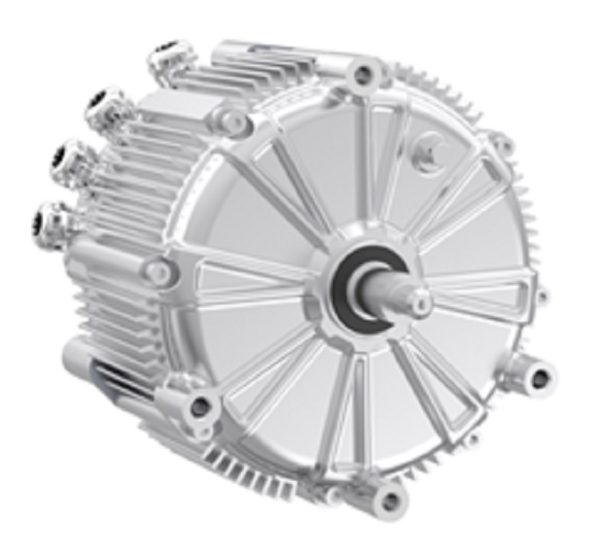
The role of the permanent magnet synchronous motor in this shift is noteworthy. Its high efficiency and predictable torque behavior let control algorithms work smarter, not harder. We use terms like torque, rotor, and thermal management when designing these systems. — funny how that works, right? Pairing a PM synchronous motor with tuned power electronics gives you tighter speed control and lower energy loss. That’s a practical win for both operators and end users.
Real-world Impact
Look at a retrofit case I worked on: we added a small inverter upgrade, a vibration sensor, and basic logging. Within a month we found misalignment that had been slowly eroding bearings. The crew fixed it before a breakdown. The savings paid for the upgrade in short order, and the vehicle felt smoother to drive. That kind of result scales — in fleets or factories.
Closing Thoughts and How I Evaluate Options
I’ve walked through common failures, practical fixes, and the new principles that make motors more human-friendly. If you want to evaluate upgrades, I recommend three simple metrics: mean time between failures (MTBF) improvement, energy use per duty cycle, and the frequency of unexpected stops. These numbers tell you whether a change actually helps users and maintenance crews. I prefer pragmatic solutions: small sensors, smarter control, and better commissioning routines. They cost little and return confidence.
We don’t need miracles. We need clear measurements, timely fixes, and designs that expect change. If you’d like concrete examples or a checklist to audit a motor system, I’m happy to share what worked for me. In closing — and I mean this plainly — good design is humble. It listens to data, then acts. For practical parts and solutions, check Santroll.