Introduction — a quick financial scene, a stat, and one sharp question
Have you ever paused at the production floor and wondered if the money you keep pouring into repairs is really paying off? In one plant I visited, downtime ate nearly 8% of monthly output last quarter — a number that tightens margins fast. The wet wipes making machine sat idle while teams swapped belts and checked web tension control; the cost was visible on every daily production report.
From my commercial view, this is not just mechanical drama — it’s a balance-sheet issue. When maintenance, yield loss, and product rejects climb, capital allocation decisions follow. Do you continue funding short-term fixes or shift to a strategic upgrade that improves throughput and lowers unit cost? (I’ll argue the latter, but there’s nuance.)
We’ll walk through the hidden technical failures, compare modern principles, and finish with concrete metrics you can use to evaluate options — so you can make a confident investment decision rather than guess. Onward to the practical details.
Part 2 — Where traditional solutions fall short (technical breakdown)
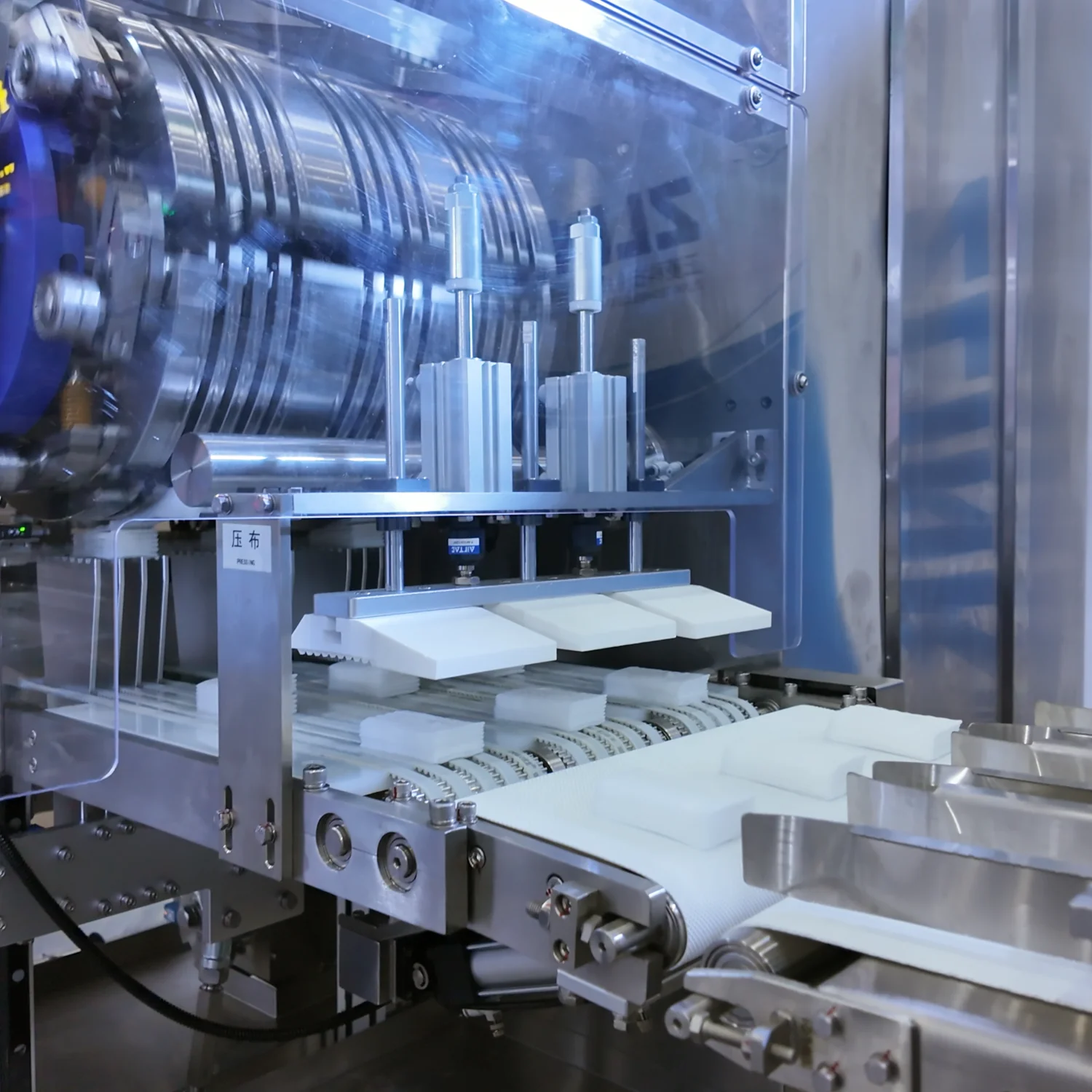
I want to focus squarely on the core problem: legacy lines were not built for today’s variable demand profiles. A fast answer often is a band-aid — a motor swap, tightened web tension control, or recalibrated sensors — but these fixes ignore systemic friction. When you look at a customized wet wipes manufacturing machine, you must consider the whole system: reel-to-reel material handling, ultrasonic sealing, servo motors and PLC coordination. Each element interacts, and small mismatches amplify into big yield losses.
What specific things are breaking first?
In my experience: bearings and rollers suffer from material dust and inconsistent lubrication; ultrasonic sealing heads drift without robust feedback loops; and older PLCs lag when coordinating speeds across zones. These are not glamorous issues. They are process-control failures — and they hide as rising scrap rates or eventual catastrophic stops. Look, it’s simpler than you think: if your control architecture can’t handle line-speed variation or has no predictive alarms, you’re paying more in downtime than you realize.
Part 3 — New principles that change the game
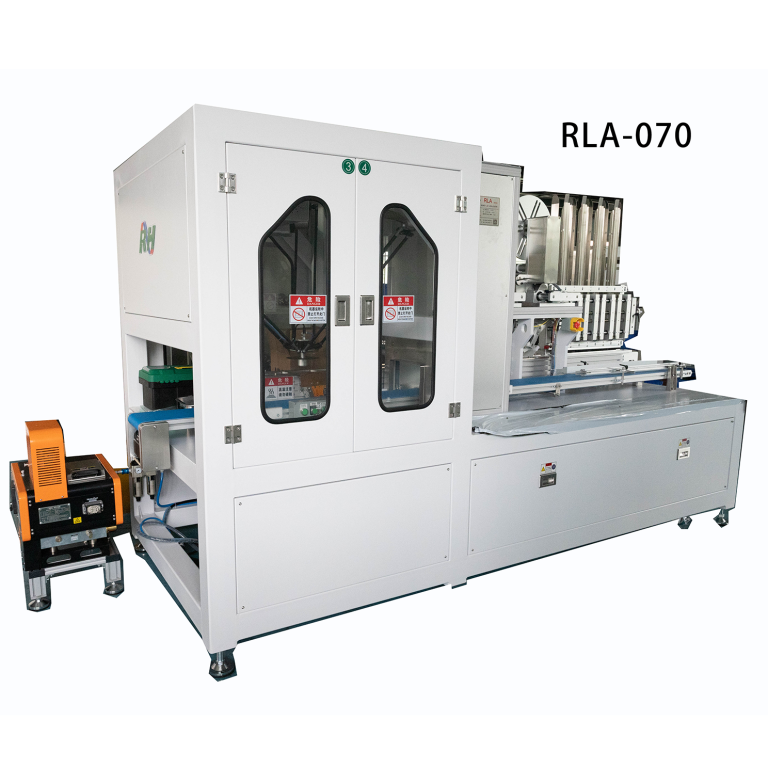
Now let’s be constructive. I believe modern upgrades should center on two principles: system-level sensing and adaptive control. That means distributed sensors (think edge computing nodes) feeding a central controller that can adjust reel tension, knife timing, and sealing energy in real time. A next-gen customized wet wipes manufacturing machine pairs high-resolution servo control with predictive analytics so you reduce scrap and smooth changeovers. The principle is simple: control what you can measure, measure what matters, and automate the rest.
What’s next — practical steps and metrics
From a practical standpoint — and from what I’ve seen in case trials — start by auditing three domains: mechanical reliability (rollers, bearings), control fidelity (PLC, servo networks), and sensing coverage (ultrasonic seal monitors, optical inspection). Then benchmark improvements: throughput increase, % scrap reduction, and mean time between failures. These metrics tell a clear story and help justify CAPEX. — funny how that works, right? I’ve used them with procurement teams to move projects forward.
Closing — three evaluation metrics to guide your upgrade
To wrap up, here are three metrics I recommend you use when choosing between patching old equipment and investing in a new line: 1) Effective Throughput Gain — the net increase in sellable units per hour after installation; 2) Total Cost of Ownership (TCO) over five years — include maintenance, energy (power converters), and spare parts; 3) Quality Yield Improvement — measurable drop in rejects due to sealing and cutting defects. Use these to compare vendors side-by-side, and insist on data from real runs, not just spec sheets.
I’m convinced that making decisions with these metrics removes guesswork and centers the conversation on measurable value. If you want the conversation to move from reactive repairs to strategic upgrades, these figures will give your finance team what they need. For practical supplier discussions and tailored solutions, I look to companies that back their claims with run data and openness on integration — like ZLINK.