
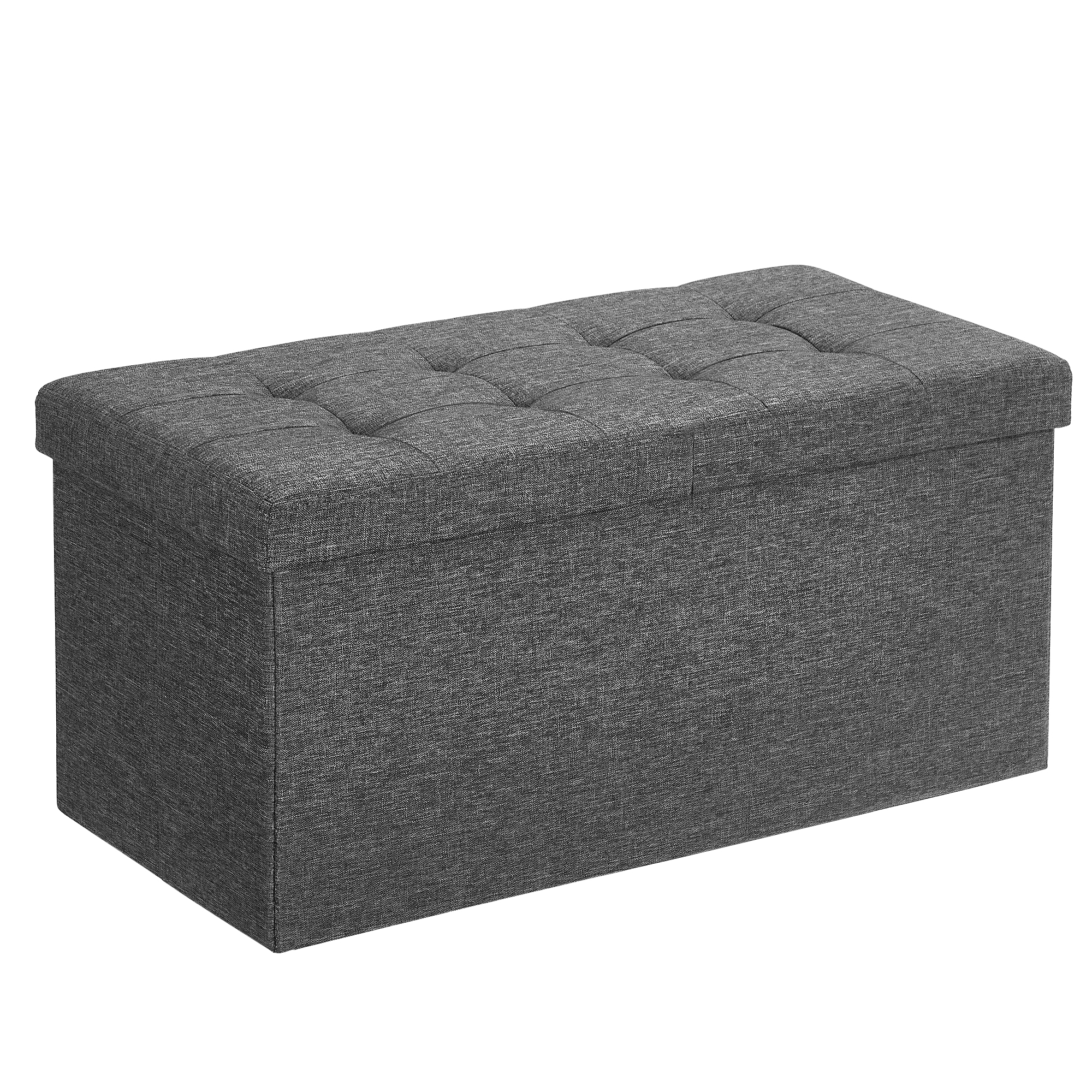
Introduction: Why the Right Maker Matters Now
Define the decision, then measure it. Your buying team faces a seasonal reset, a tight floor set, and a budget that has no patience for slips. An ottoman manufacturer can meet the look, yet miss the load, the ship date, or the unit margin. In one rollout scenario, a 14-week lead time, a 2.7% defect rate, and an 8% freight swing turned a “safe” choice into a miss. The catalog promised style; the factory’s bill of materials told another story (foam density, frame grade, hinge torque). Still, who has time to test every hinge and stitch? Comparative signals help: consistent MOQ policy, transparent QC protocols, and multi-SKU support can predict stability—before a PO lands. The data you already track—return rate, finish variance, carton crush—can expose gaps in process control and capacity planning. Yet the bigger question lingers: are you weighing branding or throughput, finish or failure modes, speed or long-term cost of ownership? This is not a debate about taste. It is about measurable fit between supplier systems and your channel needs. Now, let’s map the gaps that most teams only see after launch, and how to read them without guesswork.
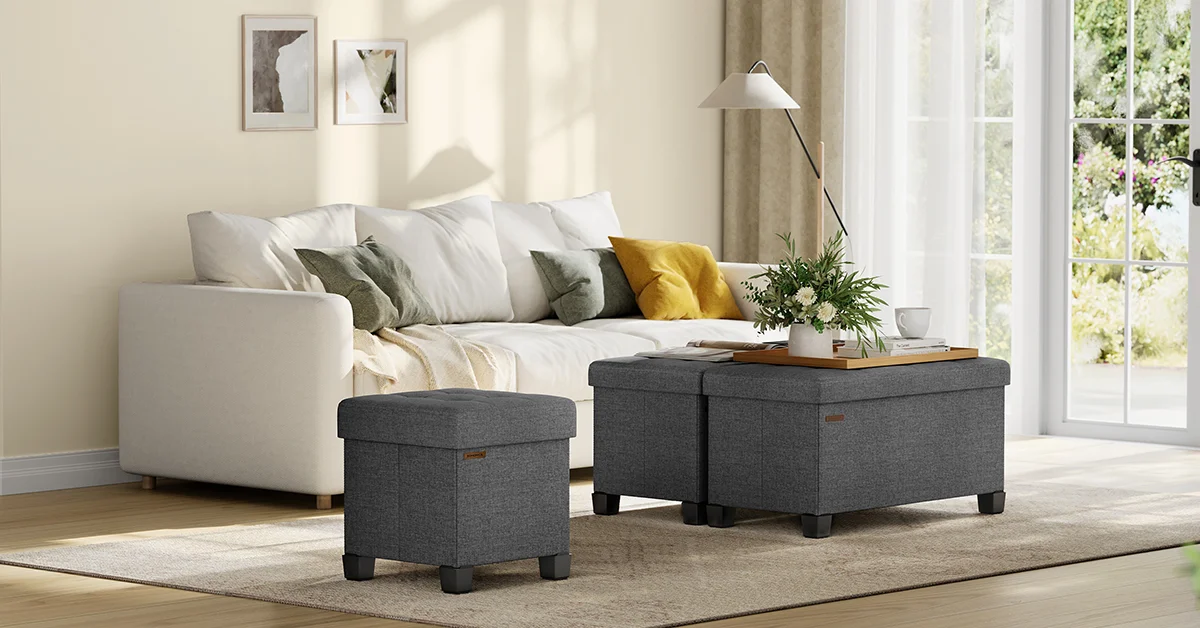
Hidden Frictions with the Wholesaler Model
Here’s the direct part: a catalog can hide delay risk. An ottoman wholesaler buffers inventory, but may not control core variables—material spec, factory capacity, or changeover time. Look, it’s simpler than you think. When demand surges, the buffer drains. Then lead time spikes, MOQs climb, and SKUs get “temporarily unavailable.” The pain shows up in your returns and re-picks. Color drift, upholstery foam density shifts, and hinge alignment issues create small failures that add up. EDI syncs late, so your site shows “in stock,” while the pallet is still on a consolidator’s dock—funny how that works, right?
Why do specs fall short?
Because the spec sheet is not the factory. A wholesaler may negotiate a bill of materials, yet the build can vary under pressure. Substitute fabric lots, different fastener tensile strength, or a new hinge supplier can sneak in when schedules slip. QC protocols may be sample-based, not batch-based, so variance passes unseen. Your team feels it as WISMO tickets and markdowns. And when you need a custom cut—say, a swap from stapled bottoms to screwed plates—the response loops through several parties. Each loop adds days. Each day adds cost. The result is not bad faith; it is a chain with too many handoffs.
What’s Next: Digital Threads and Smarter Storage Ottomans
There is a cleaner path. Technical, but practical. Forward-looking factories build a digital thread from CAD to carton. They use parametric BOMs, so size or fabric updates do not break the line. CNC cutting stabilizes fit. MES dashboards track takt time and downtime, so lead time is not a guess. With item-level RFID tagging, cartons scan into WMS without manual entry. Computer-vision checkpoints flag stitch deviation and hinge seating before pack-out. When you engage with storage ottoman manufacturers running these principles, your risks drop. The promise is modest but real—fewer surprises, faster changeovers, and clearer cost-to-serve. And because data flows upstream, your replenishment model stops chasing shadows.
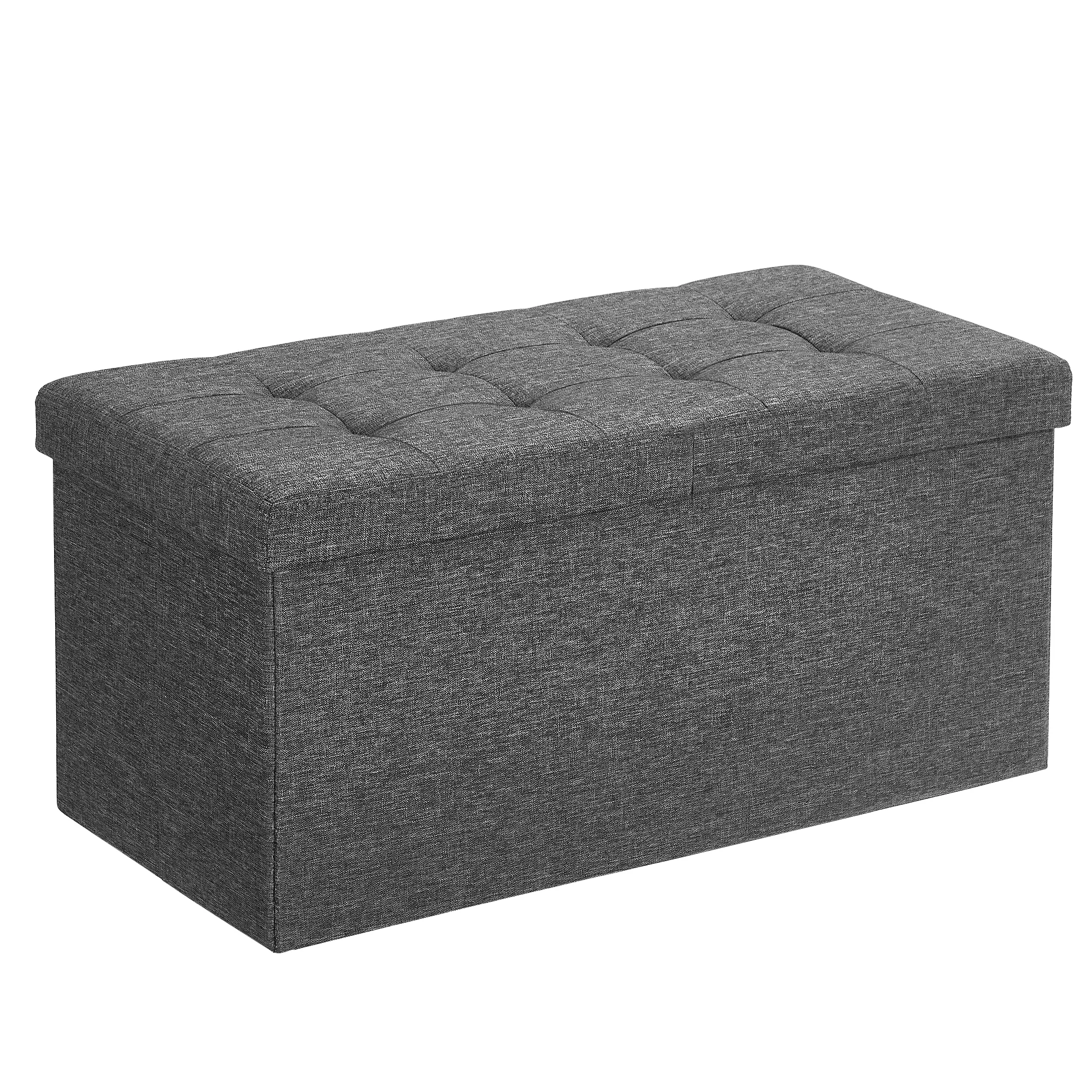
Now to the comparative lens. Wholesaler buffers can help, but a manufacturer with a digital twin of the line shows capacity and constraints in plain sight—no mystery. You gain tighter MOQs, predictable lead time windows, and better carton engineering for parcel networks. Summing up the earlier points: variance hides in handoffs; specs drift without closed-loop QC; and visibility beats buffering when demand changes fast. Advisory close, three metrics to apply today: first, demand a process capability index on key dimensions (hinge alignment, leg load) and tie it to allowable return rate. Second, request EDI/ASN accuracy scores with timestamp audits across two cycles—no averages. Third, set a changeover SLA measured in hours per SKU family, not days, and link it to cost deltas for custom runs. Use these to score partners, then choose what fits your channel. Keep it human, too: visit the line, talk to operators, and watch one unit from frame to pack—small details speak loudly. For further industry context and supplier dialogue, see SONGMICS HOME B2B.