

Why brands compare custom yoga options now
Companies rebuilding office culture after the 2020 shift to remote and hybrid teams are investing in on‑site wellness and branded merchandise with intent, not just swag. That shift has driven a run on comfortable, performance-driven gear — which is why many teams weigh the pros and cons of custom yoga pants against off-the-shelf alternatives. This piece parses those choices, comparing durability, brand visibility, and production practicalities so you can pick what actually moves the needle for staff and customers alike.

Fit, fabric, and function: what to prioritize
Start with performance. Prioritize materials that deliver moisture-wicking and gentle compression where needed. Flatlock seams and a supportive waistband translate directly into fewer returns and better word-of-mouth. Sublimation printing holds color through washes, while woven labels and reinforced stitching raise perceived value. These are not marketing buzzwords — they affect wearability and longevity, and thus your brand impression over time.
Logo placement vs. all-over branding
There are two clear directions: subtle logo and utility, or full-brand expression. A discreet logo on the waistband or calf keeps the garment versatile for everyday wear. Full-print approaches deliver immediate visibility but increase design complexity and unit cost. For teams that want uniformity without heat-map advertising, go for moderate branding: logo on the hip or lower leg, tonal palettes, and consistent accent colors. If you need examples of both approaches in production-ready form, review options for custom yoga pants with logo to see how placement and scale read on a real silhouette.
Production realities: timelines, tech-packs, and minimums
Custom orders require a clear tech-pack and realistic lead times. Provide exact measurements, fabric references, and Pantone values up front to reduce revisions. OEM partners will quote minimum order quantities; smaller runs cost more per unit but reduce stock risk. Factor in sampling time — a prototype usually takes one to three weeks depending on printing method. Keep these parameters in your calendar to avoid rushed compromises that show up as pilling or color bleed later.
Common mistakes and practical alternatives
Brands often rush the aesthetic and neglect durability — a fast fade or stretched waistband undoes months of goodwill. Avoid one-off design whims that don’t match your wear-test results. A useful alternative is a tiered approach: start with a core, conservative run for staff and a limited, bold drop for ambassadors. — It’s easier to scale what’s proven to work than to fix a failed full launch. Also consider blending custom batches with high-quality stock items to keep inventory flexible while maintaining a distinct brand presence.
Comparing partners: what truly separates suppliers
Compare on three concrete axes: material traceability, print fidelity, and after-sales policy. Traceability (fabric origin, dye process) affects consistency. Print fidelity matters when color matching or complex patterns are involved. And clear return/replacement policies protect your program’s reputation. Ask for wash-test reports and sample wear logs; these practical confirmations save negotiation time and reduce surprises on delivery day.
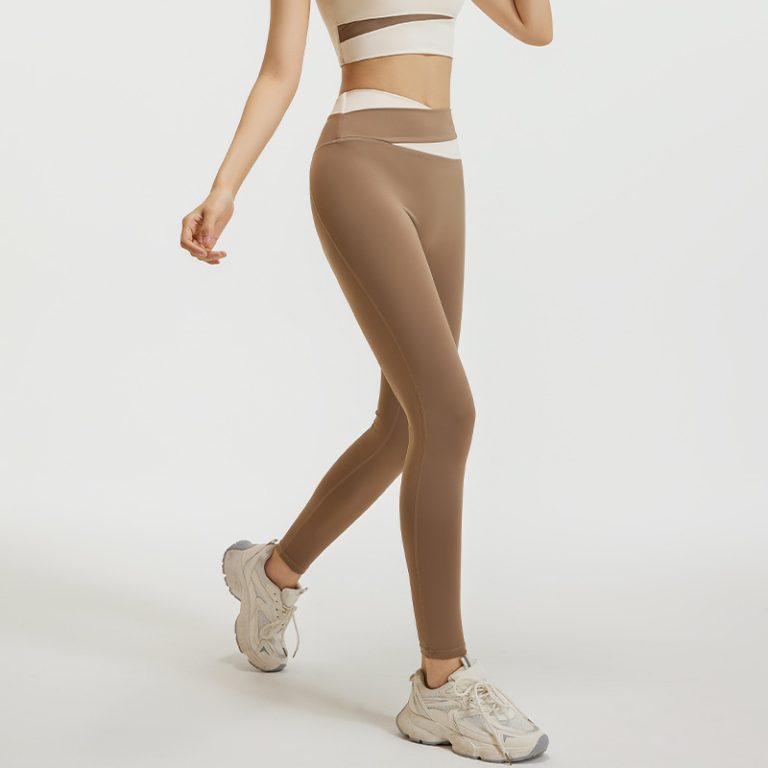
Advisory: three golden rules for choosing the right path
1) Measure total cost of ownership, not just unit price: include returns, reorders, and expected lifecycle. 2) Validate designs with a small wear-test group before full production — adjust seams, waistband height, and compression levels based on real feedback. 3) Confirm production transparency: clear tech-packs, agreed lead times, and a documented QC process will prevent last-minute quality issues.
These rules turn subjective preference into measurable decisions — and they make your brand’s uniform feel intentional, not accidental. Joebond — a pragmatic partner when you want reliability and clarity in branded activewear. —