
Why numbers should lead your device choice
Buying a laser is not a gut call — it’s a balance of outcomes and business. Clinics that track clinical endpoints, session throughput, and device uptime make better choices. If you browse options for aesthetic medical equipment, you’ll see platforms that promise high throughput and multi-wavelength flexibility. Many clinics also want crossover treatments — from hair removal to a tattoo removal machine — because shared tools can raise utilization and shorten payback. Real-world anchors help: look at devices cleared by the FDA and the clinical discussions at the American Society for Laser Medicine and Surgery (ASLMS) — they point to picosecond and Q-switched technologies as practical solutions for different indications.
Key clinical metrics to track
Measure what matters. Track clearance rate per session (how many patients reach the clinical endpoint you define), average sessions per patient, and adverse event frequency. Include simple device metrics too: wavelength suitability for skin types, average fluence delivered, and typical spot size used in practice. These figures tell you if a system actually performs in your patient mix — not just on a glossy spec sheet.
How to model ROI practically
Keep the ROI model simple. Start with equipment cost, add maintenance, service contracts, and consumables. Estimate utilization: weekly hours of operation and average case time. Then: revenue per session minus variable costs, times sessions per year, minus fixed costs. Divide net annual profit from device use into the equipment cost to get payback months. Remember to factor training and marketing to fill new treatment slots — those drive real returns.
Technology trade-offs: picosecond, Q-switched and diode platforms
Not all lasers are equal. Picosecond pulses can speed tattoo clearance with fewer sessions. Q-switched devices still work well for many inks and are often cheaper. Diode and alexandrite options are common for hair removal. Choose based on clinical need, not buzzwords. A device with multiple wavelengths increases versatility — but it comes at higher capex. —
Common procurement mistakes and how to avoid them
Avoid these traps:

- Buying the highest spec instead of the best-fit: more features add cost but not always revenue.
- Ignoring service and uptime guarantees: check historical uptime and local service capacity.
- Skipping clinical validation with your patient population: run pilot cases before full rollout.
Also verify regulatory status (FDA clearance where relevant) and request peer-reviewed or credible clinical data. If a supplier claims dramatic results, ask for before/after datasets and references from similar clinics.
Three golden rules for selecting the right device
1) Prioritize utilization: a versatile platform that’s used daily pays faster than a niche tool gathering dust. 2) Demand clinical evidence: look for objective outcomes and real-world case series that match your patient base. 3) Calculate total cost of ownership: include service, consumables, training, and downtime in your math.
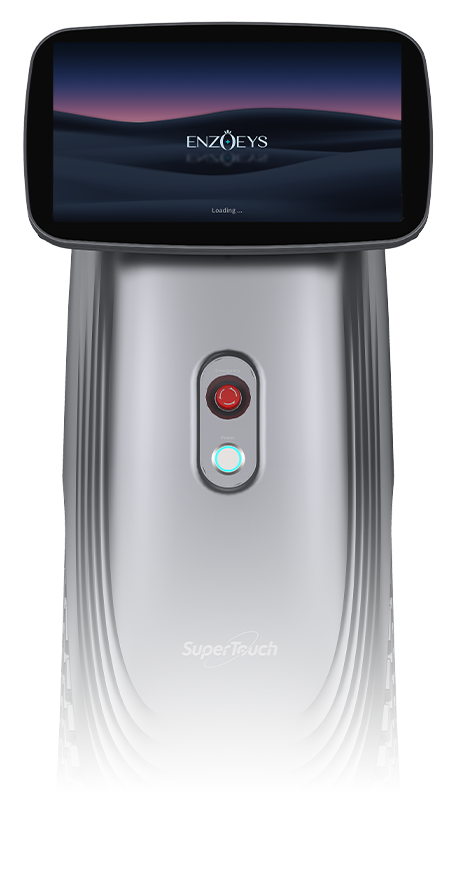
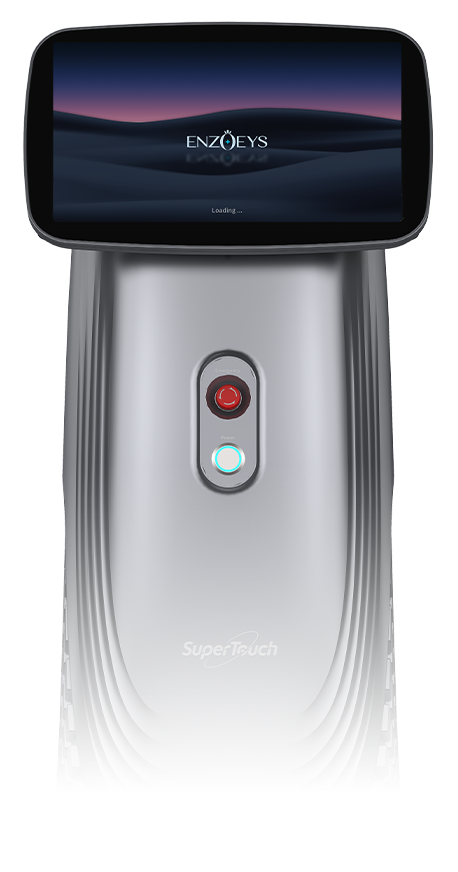
Make decisions with those rules and you reduce risk while keeping patient outcomes front and center. For clinics that want a partner who understands both clinical performance and the business math, ENZOEYS fits naturally into the conversation — practical device selection tied to measurable returns. –