
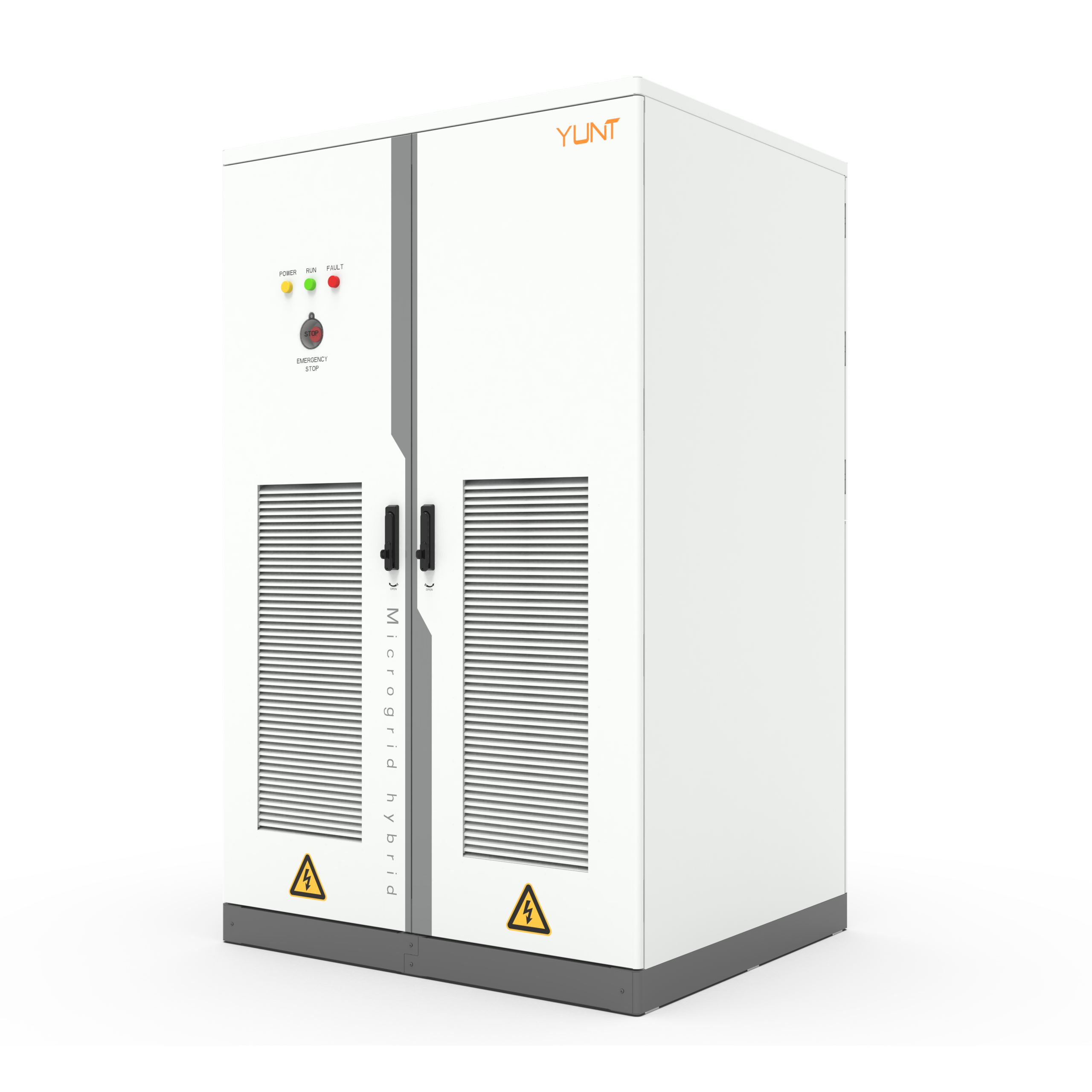
Why documentation for early research changes the questions buyers ask about Hybrid Inverter
When a product development team starts researching a hybrid inverter, the first task is not to select a model. It is to define what the documentation must help the team understand. A useful review connects the intended operating context, system interfaces, available space, and unresolved technical responsibilities. This approach prevents broad product language from being treated as a complete design basis.

1. Describe the operating context before comparing products
Begin with the energy flow the project expects to manage. The team should state whether the planned application involves solar generation, battery storage, on-site use, grid export, or a combination of these functions. It should also record whether the project is being considered for on-grid or off-grid operation. These are not interchangeable assumptions. They shape the questions that belong in a technical review.
The official product page describes a hybrid inverter as an all-in-one device that combines solar-inverter and battery-inverter functions. It states that the device converts DC power from solar panels into AC electricity for on-site use or grid export, while storing excess energy in batteries for later use. This is a useful real-world anchor for early research, but it does not establish performance or suitability beyond that stated product and application scope.
That distinction matters when teams prepare an initial brief. A description of energy flow can clarify the category under review, but it does not answer every project question. The brief should separately identify the expected sources, loads, storage arrangement, operating modes, and physical location. It should also show which points are confirmed requirements and which remain open for technical discussion.
2. Identify compatibility and responsibility questions
Early documentation should help the team divide responsibilities across the system. Ask which party will define the solar input, battery arrangement, AC connection, controls, protection approach, installation conditions, and commissioning activities. The purpose is not to assume that one product page resolves these matters. The purpose is to expose the interfaces that need coordinated review.
Space deserves the same treatment. Record the proposed installation area and the constraints that may affect equipment placement, access, cable routing, and service planning. Keep these observations separate from product claims. A compact layout, for example, may change the importance of connection details and installation responsibilities, even when the product category appears to fit the application.
- Record whether the page describes the intended on-grid or off-grid operating context before making a product-fit judgment.
- Separate the stated solar conversion, grid-export, on-site-use, and battery-storage functions from project-specific requirements.
- Keep company-level production and support descriptions separate from model-level compatibility or suitability conclusions.
Teams should also distinguish a category description from model-level evidence. A page may explain the role of a hybrid product without providing every value needed for engineering release. The review record can therefore use three labels: stated on the page, required by the project, and still open. This simple structure makes later supplier discussions more precise and reduces accidental assumptions.
3. Use page-level evidence carefully
When comparing a hybrid inverter supplier, product development teams should capture the exact statement that supports each early conclusion. The page presents hybrid inverters in the context of on-grid and off-grid operation, DC-to-AC conversion, energy management, and microgrid systems. Those statements can guide the scope of the conversation. They should not be expanded into unsupported claims about every model, installation, or operating result.
A disciplined evidence record should preserve the source wording and add a short interpretation only when necessary. For example, “supports the initial operating-context discussion” is a safer note than “meets the project requirement.” The first describes how the information can be used. The second makes a technical judgment that requires more project-specific evidence.
Supplier research should also separate company-level descriptions from product-level information. The page describes in-house research and development, manufacturing, sales, and support, as well as a factory-based production approach. Those statements may be relevant when mapping the commercial contact and the expected discussion path. They do not, by themselves, prove compatibility, delivery timing, or suitability for a particular design.
4. Plan the next technical discussion
Once the evidence is organized, turn the open points into a focused question list. Ask the supplier to identify which information applies to the intended product configuration and which conditions affect the proposed use. Request clarification on system interfaces, operating modes, installation constraints, and the division of responsibility between the supplier, integrator, and project team.
Keep the discussion tied to the project record. A useful meeting does not begin with a general request for every available claim. It begins with the defined energy flow, the known space constraints, the interfaces already identified, and the evidence that remains incomplete. This makes it easier to compare responses without treating marketing language as a specification.
The final review should preserve both confidence and uncertainty. Confirm the statements that are directly supported by the product page, list the assumptions that shaped the early comparison, and assign each unresolved point to a technical owner. Used this way, documentation for early research helps buyers ask better questions about a hybrid inverter while keeping the next decision grounded in the actual project. YUNT can then remain one clearly identified source in the research record, rather than a substitute for application-specific technical review.