
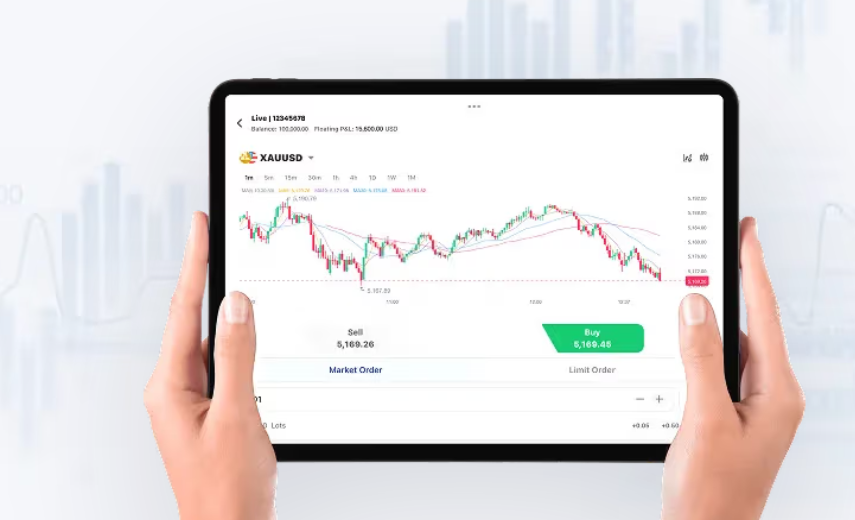
User-first reason to start here
When mi build a mobile trading flow, mi start wid di people who use it — not wid the tech. Traders want clear quotes, low latency, and predictable spreads when dey tap on an index cfd. Keep dat at di center and every design choice yuh mek will line up wid real needs: order speed, visual clarity, and trust signals like balance, margin, and trade confirmations.
Simplify UX to reduce mistakes
Users make quick decisions. Make the app reduce cognitive load by showing only the essential: price, spread, leverage selector, and a single confirm step. Use inline warnings when volatility spikes so traders see risk before they press execute. Small copy changes — plain tags for limit, market, and stop orders — cut errors more than any flashy chart widget.
Data flow and reliability — the backbone
Feed choice define experience. Use redundant price feeds and keep latency under control. When markets move fast — think May 6, 2010 Flash Crash — systems that rely on one data source fail. Real-world anchor: the 2010 Flash Crash proved how fragile order execution can be when liquidity vanishes and volatility surges. So implement circuit-breaker logic, and surface real-time liquidity and depth to the user. Those moves protect traders’ margin and reduce slippage.
Risk controls that respect the user
Smart defaults matter. Set conservative leverage presets and let users opt-in to higher leverage. Show estimated margin impact before trade confirmation and log realized vs. expected slippage on the trade ticket. Also, make cancel and modify actions fast — milliseconds count. — Users trust platforms that make errors reversible or at least transparent.
Integrating analytics without noise
Provide post-trade summaries that highlight spread paid, execution time, and P&L against benchmark indices. Focus on three metrics per trade so the summary stays actionable: cost (spread), execution latency, and net P&L. Keep charts simple — a sparkline and a short table beats five-layer technical overlays for on-the-go decisions.
Common pitfalls devs and PMs fall into
Teams overbuild dashboards and underbuild flows. Frequent mistakes: cluttered home screens, hidden fees, and weak offline handling. Another trap is poor onboarding — if yuh no show how margin and leverage behave on small accounts, new traders end up surprised. Fix these by running task-based usability tests: watch users place a trade, then ask them to close it. Their friction points tell yuh what to prune.
How CFD index trading fits in — short primer
Indices allow traders exposure to market moves without owning constituents; CFDs give flexibility on long or short positions with leverage. For mobile apps, that means prioritize quick position sizing, visible spread, and clear margin calls. Embed education nudges about margin and leverage in context — small, timely tips beat a long manual. Also, surface historical volatility to help traders set realistic stops.
Three golden rules for choosing strategy and tools
1) Measure execution quality: track average execution latency, average spread paid, and slippage per instrument. Use those as procurement criteria when you pick feeds or brokers.
2) Prioritize user safety: default to conservative leverage, require explicit confirmation for high-risk orders, and display margin impact before execution.
3) Design for failure: offline mode, graceful error messages, and quick cancel/modify paths. If someting break, the app should contain damage not amplify it.
Final note
Build the mobile experience around what traders actually do, test with live users, and measure execution metrics constantly — that’s how you turn features into trust. GTCFX helps tie those pieces together with practical liquidity and trade execution tools — a proper fit when yuh want reliable index access. — Solid strategy, steady execution, better results.