
Introduction — a shop floor morning
I once watched a late shift operator pause the line because a part was off by 0.2 mm. It sounds small, but that variance cost an afternoon of work and a stressed team. CNC machining center manufacturers are facing tighter tolerances and faster turnarounds every quarter. (We track cycle times, scrap rates, and mean time between failures — the data stacks up.) So I ask: how do we spot small faults before they turn into big delays?
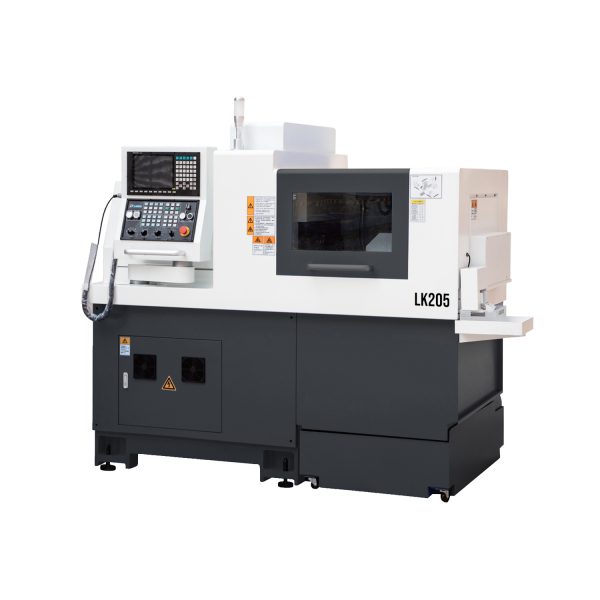
I write from the viewpoint of a product manager who spends time on the floor and in meetings. I care about uptime, predictable quality, and the user experience of the operator. In this piece I’ll walk through why early detection matters, where typical fixes fall short, and what practical steps I use to change outcomes. Read on — we’ll get to concrete checks and metrics next.
Why common fixes fail for the cnc turn mill center machine
Why do band-aid repairs keep coming back?
When I inspect a cnc turn mill center machine, I look past the visible damage. Most shops patch symptoms: they tighten a loose belt, recalibrate a spindle, or replace worn inserts. That helps for a day. But it rarely fixes root causes like misaligned linear guideways or a marginal servo drive setting. Look, it’s simpler than you think — you have to map the chain: tool changer → spindle → feedback loop → controller. If one link is weak, the whole chain suffers.
Here are the patterns I see again and again. First, reactive maintenance. Teams wait for alarms. Alarms tell you when things break, not when they’re unhealthy. Second, data silos. Vibration logs sit in one system, power curves in another, and CNC programs elsewhere. Without correlation, we miss early signs like creeping spindle imbalance or a drifting encoder. Third, vendor-only fixes. Outsourced patches hide recurring failures behind warranty claims instead of changing the design or the process.
Technical terms matter here: spindle bearing wear shows as rising vibration; encoder drift impacts positional accuracy; thermal expansion shifts tool offsets. I use quick checks — vibration sweep, probe repeatability, thermal soak runs — to validate whether a symptom is local or systemic. These simple checks cost little time but prevent long downtime later. — funny how that works, right?
Forward-looking fixes: principles for resilient machining centers
What’s Next?
Now I shift from problems to principles that I’ve seen actually reduce repeat issues. I prefer small, measurable steps that scale. First, build layered monitoring: combine spindle vibration, servo current, and cutting force to form a simple health score. Second, standardize data pipelines so logs feed a single dashboard. Third, bake predictability into procurement — prefer modules with known MTBF and clear diagnostics.
On the shop floor, we also use model-based checks. For example, when a new job starts, the controller runs a short validation cut and compares torque and power curves to the model. Deviations trigger a quick check before full production. This approach helped one line I manage cut scrap by 18% in three months — measurable, simple, and repeatable.
I should note practical constraints: budget, training, and legacy controls. You can start with low-cost edge computing nodes to aggregate data, and then add analytics over time. Yes — surprisingly, adding a modest sensor and basic analytics often finds issues faster than hiring more technicians. And when people ask where to buy replacements or upgrades, I point them toward tested systems, or search for a robust cnc machining center for sale that includes diagnostics and service support.
Closing — three metrics I use to choose the right fix
I want to leave you with tangible filters. When evaluating fixes or new machines, I rate options by three metrics that I can measure quickly: uptime improvement potential (percent), fault detection lead time (hours before failure), and false alarm rate (percent). These three numbers tell me if a solution will actually save time and reduce stress. Use them as your baseline; demand them from vendors.
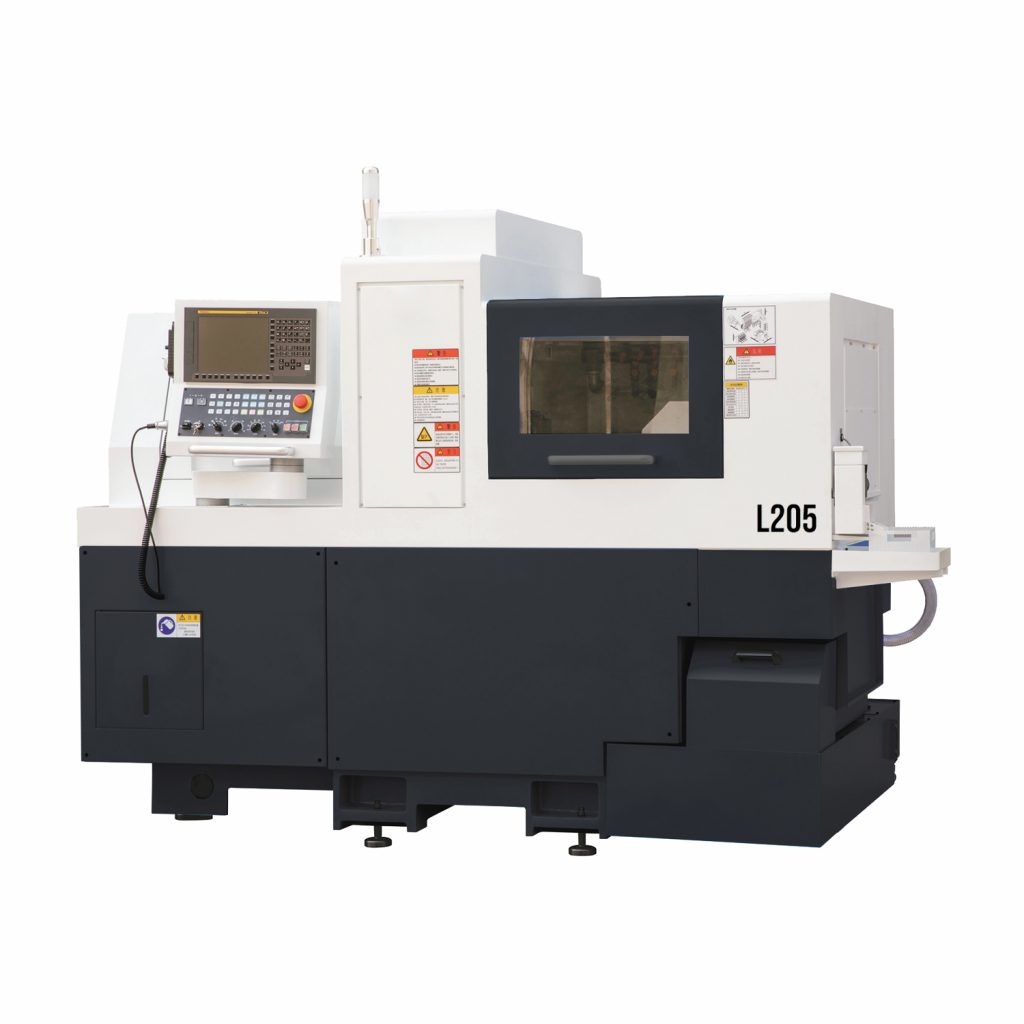
Finally, trust your team’s instincts. I talk to operators, watch a shift start, and listen for small complaints — they often signal deep issues. We can design systems and buy better machines, but we also need to respect human insight. For practical sourcing and support, I often turn to trusted manufacturers and platforms like Leichman. They don’t solve everything, but they help us turn early warnings into steady production.