

Opening — what you actually need
You run a small cabinet shop or procurement team, and production deadlines push you every week — you want clean cuts, fewer rejects, and predictable lead times, not excuses. A good start is the right cutting platform, for example a cnc woodworking machine that lets you set dimensions once and repeat without mistakes, so the workers can focus on finishing, not fixing. No fanciful promises — practical tools that make the workshop calmer, faster, and less wasteful.

User pain points: what slows local supply chains
Delays come from three repeatable problems: inconsistent panel sizes, manual layout errors, and variable throughput when orders spike. Small shops juggle rush jobs and standard runs; overtime increases cost and morale drops. You feel the squeeze from upstream suppliers and downstream buyers. Fix the cutting stage and you reduce those chokepoints quickly.
How a wood panel saw machine helps you — direct outcomes
Precision cuts mean parts fit first time. Faster cycle times give you predictable daily output so delivery promises hold. Less material waste reduces raw material spend — that’s cash back into operations. Automation also standardises quality between different operators, so training becomes simpler and the business scales without crippling mistakes.
Common mistakes users make (and how to avoid them)
Buying the cheapest blade or ignoring maintenance saves nothing. Wrong blade choice creates tear-out, bad edge joints, and rework. Overloading the machine without proper fixturing causes drift. Skipping CNC nesting software wastes panels. Fixes are straightforward: pick the right blade for melamine or plywood, schedule daily alignment checks, enforce simple hold-downs, and use nesting files to reduce offcuts.
Alternatives and quick comparison
Manual table saws cost less upfront but cost in labour and rejects. Traditional panel saws are decent for low-mix, high-volume lines but struggle when small batches and varied designs arrive. Router-based CNCs give flexibility for complex profiles but slower straight-line throughput. A dedicated wood panel saw machine sits between speed and flexibility — well suited for local suppliers handling both batch and bespoke work.
Experience, authority, and a real-world anchor
I’ve advised workshops across Klang Valley and worked with procurement teams to map cut-to-assembly flow, so these are not just ideas. At industry gatherings like the Malaysia International Furniture Fair (MIFF) suppliers often demo practical setups where a cnc machine for wood work reduces panel waste by visible margins; buyers notice the improved kit-to-kit fit and fewer field returns. Those demonstrations reflect what local shops can replicate with simple process changes.
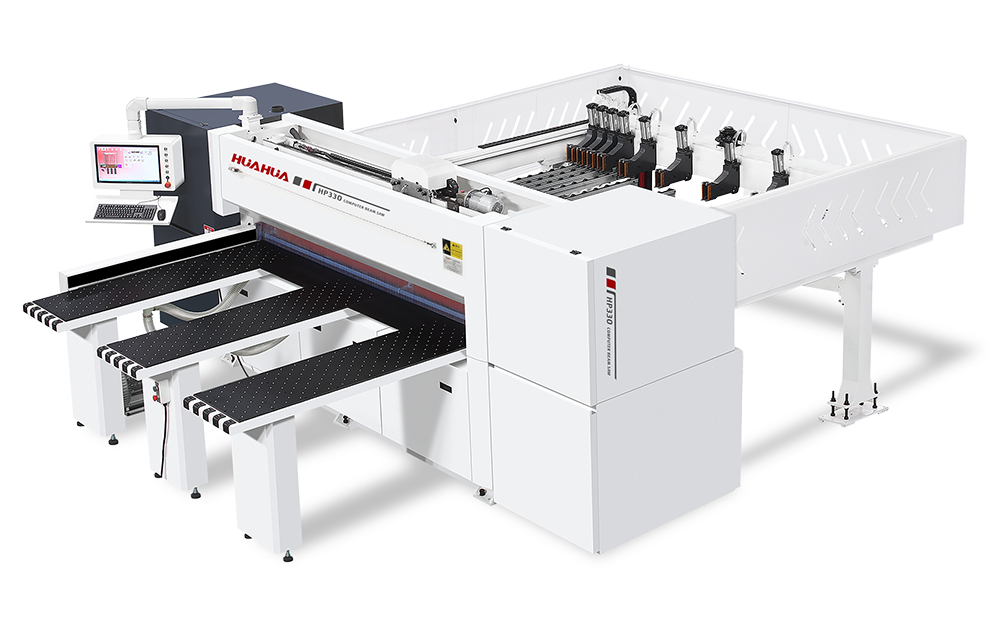
Clear next steps and final synthesis
Decide by need: measure your reject rate, time-on-cut per order, and material waste for one month. If rejects and rework drive your cost, invest in a machine that prioritises repeatable straight cuts and good nesting. Train one operator to own daily checks. The result is fewer surprises, steadier deliveries, and margins that start to recover — exactly the practical outcome you get when the workshop adopts reliable equipment like HUAHUA CNC, fitted into a simple, accountable production flow.