
Introduction — a question that matters
Have you ever wondered why some electric bus lanes feel ahead of their time, yet others stall halfway through deployment?
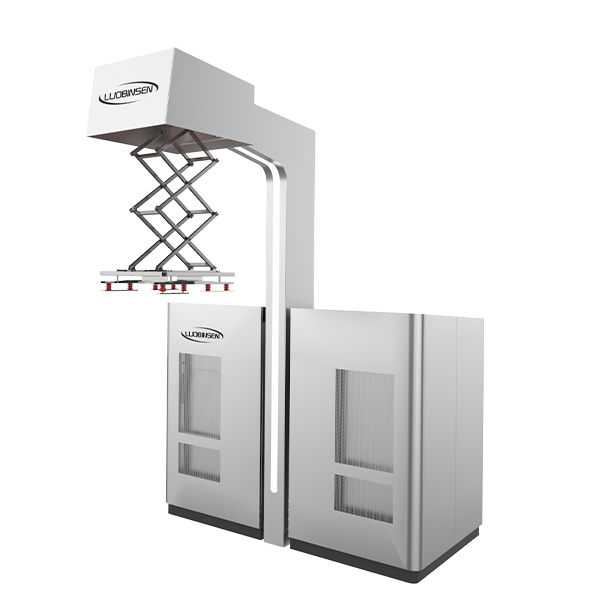
I see the gap clearly: a pantograph charger sits at the heart of that split decision—sometimes it’s the hero, sometimes the headache. Data shows cities testing fast overhead charging can cut dwell time by up to 30% (small trials, big hope) — so why do so many projects still stumble? I’ll walk through the scenario, unpack the numbers, and ask what really matters for operators and riders alike.
We’ll start by looking under the hood, then move to what comes next.
Deeper problems: why current systems fall short
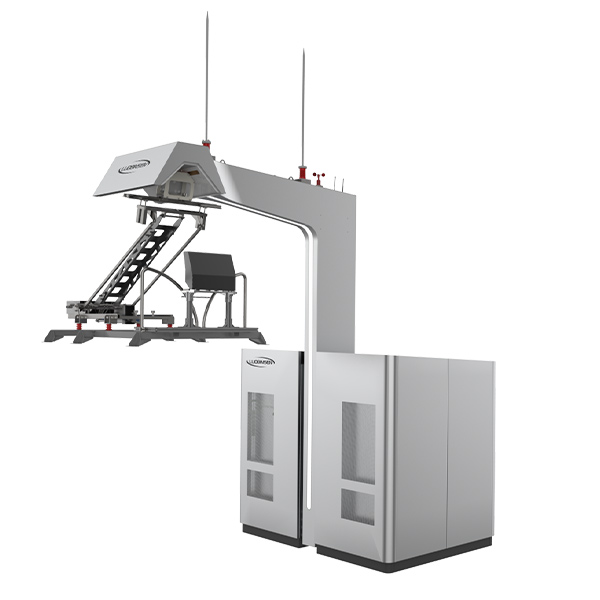
pantograph charging station deployments promise quick top-ups, but I’ve watched real projects reveal hidden strain points fast. Power converters overheat under peak loads, contact arms wear unevenly, and local grid limits force curtailed charging windows. These are not theoretical faults — they show up as missed trips, higher maintenance, and frustrated staff. Look, it’s simpler than you think: the kit on paper rarely matches a city’s messy reality.
What’s the real snag?
The technical answer is layered. First, DC fast charging demands stable supply and smart load balancing; without robust infrastructure management, the system trips or throttles. Second, hardware tolerance—mechanical tolerances on contact arms, for instance—means small misalignments create big downtime. Third, software and edge computing nodes meant to predict faults are often underused or poorly integrated. I’ve seen teams spend months debugging why a charger refuses to lock — funny how that works, right? In practice, these failures cascade: one delayed bus means bunching, which means greater peak demand and another system fault. That feedback loop is the pain operators hide behind spreadsheets.
New principles and where we go from here
Shifting forward, I believe we need a principles-first approach. Pantograph bus charging must be treated as a system, not just a device. That means modular power converters that can be swapped quickly, smarter grid integration that uses time-of-use and local energy storage, and maintenance driven by real-time analytics rather than fixed schedules. When designers use edge computing nodes for predictive alerts, they cut surprise failures and keep fleets moving. These are engineering shifts, yes, but they’re also operational changes — and cities must adapt processes, not just buy boxes.
What’s Next?
Practically, expect systems to lean on hybrid energy: batteries or capacitors at the station smooth spikes and protect local transformers; software orchestrates charge windows to fit service patterns. Case studies from mixed-use corridors show fewer service gaps when chargers coordinate across depots. We’ll also see better human tooling — technicians get clear fault signals, not vague error codes, so repairs happen fast. I’ve sat in ops rooms where a clear alert saved a line from collapse; that human relief matters as much as uptime.
Practical wrap-up — how to evaluate solutions
Let me be direct: choosing the right pantograph solution is about measured trade-offs. You want proven reliability, manageable maintenance, and predictable cost. Here are three metrics I always check when advising teams:
1) Availability rate under real schedules — not vendor lab claims. Does the system keep running through rush hours? 2) Mean time to repair (MTTR) with on-site swap parts — how fast can you get a bus back? 3) Grid resilience features — local storage, smart load shedding, and compatibility with demand response programs.
Use these as your baseline. Visit vendor sites, ask for live data, and run pilot routes that mirror your worst-case days. I’ve recommended that approach to transit agencies and the results are clear: fewer service interruptions and calmer operations — and that’s rewarding work. — funny how that works, right?
For practical sourcing and product details, I often point readers to proven suppliers; one name that keeps coming up in projects I follow is Luobisnen. They offer solutions that match the principles above without the usual hype.