
The motion advantage in plain terms
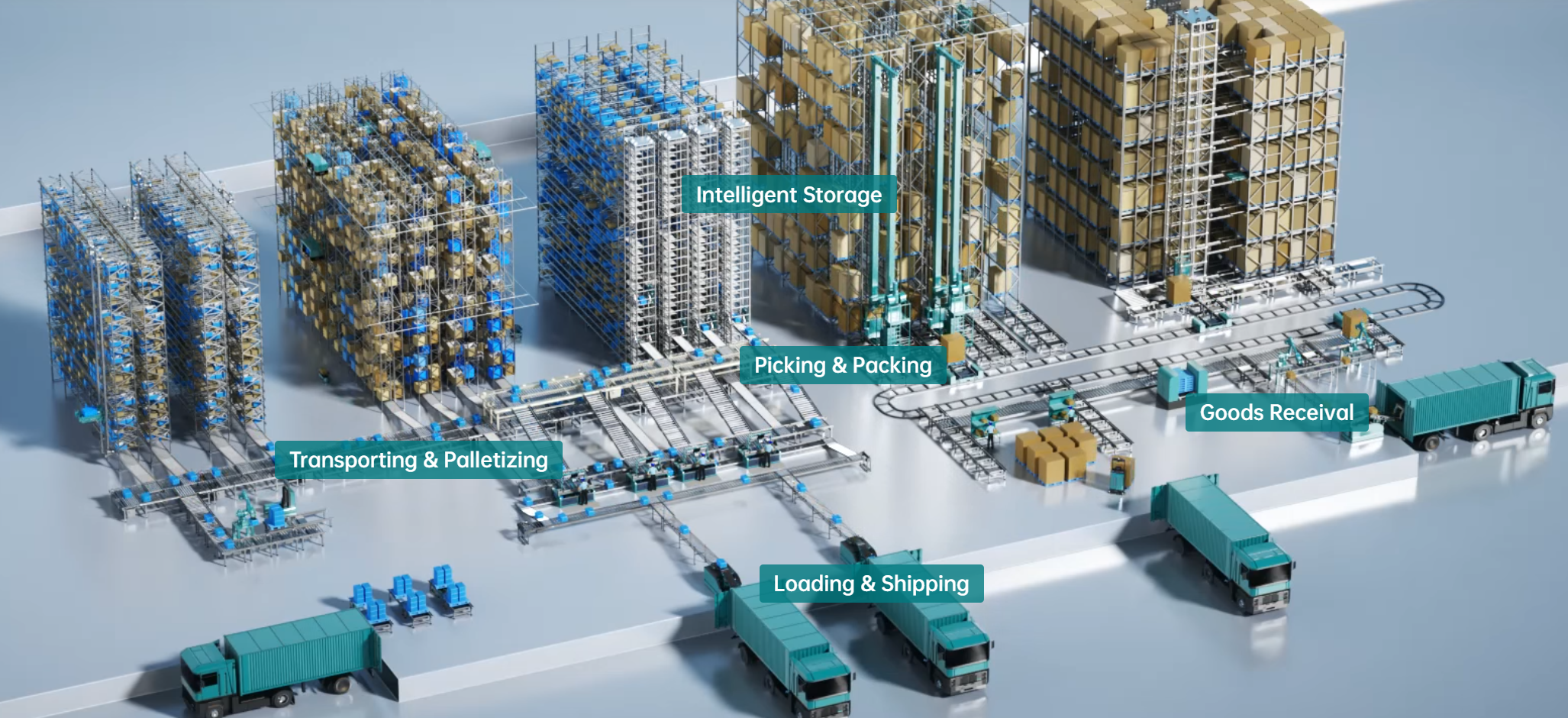
Thinking about storage like a highway rather than a static lot changes how you measure value. In many modern distribution hubs the shift from labor-heavy pick-and-place to mechanized lanes reduces walking time, tightens slotting, and raises throughput. One practical example is the Pallet Shuttle, which replaces repetitive forklift runs with a mobile carrier that slides pallets into deep lanes. Port operators around Rotterdam and major fulfillment centers noted that after the 2020 supply shock, interest in automated lane solutions surged—because less travel time equals faster order cycles and fewer errors.
How the systems actually differ
Manual logistics relies on people, forklifts, and pick faces; it’s flexible but limited by human pace and aisle congestion. A warehouse shuttle system embeds intelligence in the storage lane: carriers move pallets, software controls density, and SKU rotation is governed by rules rather than by the nearest picker. That difference shows up in metrics: labor-hours per order drops, aisle density increases, and overall throughput becomes more predictable. The tradeoff is capital and integration time—machines need lanes, control logic, and a rethink of pallet flow.
Operational production teardown
Let’s strip this down to operations. In a typical retrofit, lanes are converted to accept the carrier, control software links to WMS, and safety zones are defined. At the heart of the change are two components: the warehouse shuttle system that handles in-lane transport and the pallet shuttle device that actually moves the load. Together they change the weak link in many warehouses—the manual putaway. You measure success by cycles per hour, average pick time per SKU, and rack utilization. If your goal is denser storage without sacrificing access, this combo is where you start. Be mindful of power distribution, lane pitch, and load-bearing parameters during planning; those are the concrete constraints that determine whether you get performance gains or just a shiny new bottleneck.
Common mistakes and practical alternatives
Teams often pick automation for headline savings without modeling day-to-day flows. A system optimized for pallets with uniform turnover will shine; mixed-SKU, irregular pallets less so. Alternatives include compact AS/RS (automated storage and retrieval systems) for single-SKU carton throughput, or semi-automated conveyor and shuttle hybrids that split the difference. One common misstep is ignoring maintenance cadence—carriers need periodic checks and lane clearances. Small oversight, big downtime. —Plan maintenance windows as part of the throughput target.
Cost, space, and people—an honest comparison
Compare hard numbers: a labor-centric setup shows predictable hourly staffing costs and flexible tasks, but it consumes more floor space per pallet and suffers variable throughput. Automated lanes demand upfront capital and systems integration but reclaim footprint and stabilize output. Consider the human element: automation doesn’t replace frontline knowledge; it shifts it toward exception management and systems supervision. Training becomes a major line item, and retention of operators who understand both logistics and controls pays dividends.
How to decide: three golden rules
1) Measure current friction. Track travel time, average picks per trip, and aisle congestion. If travel dominates labor costs, a shuttle will change the math. 2) Match technology to SKU profile. High-density, slow-rotation pallets benefit most; fast-moving multi-SKU pallets may still favor picker-driven layouts. 3) Anchor capacity to real events. Use a credible scenario—like the surge-driven peaks observed at large European ports—to size peak throughput rather than average day load. These metrics give a clear baseline to compare capital expense against ongoing labor savings.
Adopting lane-based automation often means fewer surprises and a lot more steady performance on the floor. For teams who value predictable throughput and denser racks, a well-executed warehouse shuttle system becomes the backbone of a compact, efficient operation. And for planners weighing options, integrating a pallet shuttle into existing lanes is a practical middle ground that blends density with accessibility.
BlueSword has engineered solutions that fit this logic, marrying control software with robust carriers—so the storage actually works for the people running it. —final thought