
Quick Field Win — What I Saw Working with RTU containers
I remember a Friday night at our Boston filling line when we swapped a stubborn, hand-fed process for pre-sterilized RTU containers (RTU containers) and everything shifted. On that shift (March 2023), using a 2L pre-sterilized bag cut changeover time by 22% and dropped rejects by 37% — is that the kind of margin you want to keep losing? I’ve handled aseptic filling setups since 2008, and I’ll say this plainly: the traditional route (multiple sterilization cycles, in-line validation, racks of spare parts) hides costs that don’t show up on the ledger until a batch fails. That design genuinely frustrated me when, in 2019, a single valve failure at our Chicago satellite cost us $120K in waste and three days of downtime. The deeper flaw isn’t just equipment — it’s inventory, training hours, and validation workload. Short story: RTU cuts that stack (single-use system, sterilization overhead, cold chain risk) — now let’s move to the practical side of picking the right one.

What’s the hidden snag?
Here’s the layer most teams miss: legacy systems assume flawless human steps. They assume perfect sterile transfers, consistent sterilization cycles, and zero interruptions to the cold chain. In reality, you get operator variation, untracked connectors, and time pressure. I’ve audited three plants where poor connector hygiene alone added a 12% contamination risk (we measured it during a root-cause study in Q1 2021). With RTU containers you remove many touchpoints — fewer validations, simpler logistics, less cold chain complexity. But not all RTU options perform equally: barrier film quality, aseptic port design, and packaging geometry change how a product behaves on scale (and yes — some bags fold poorly and hang up on automated depalletizers; no joke). This is exactly where brand specs and hands-on testing matter. Next — how to compare and choose.

Technical Comparison & Forward Steps for Adopting RTU containers
What’s Next
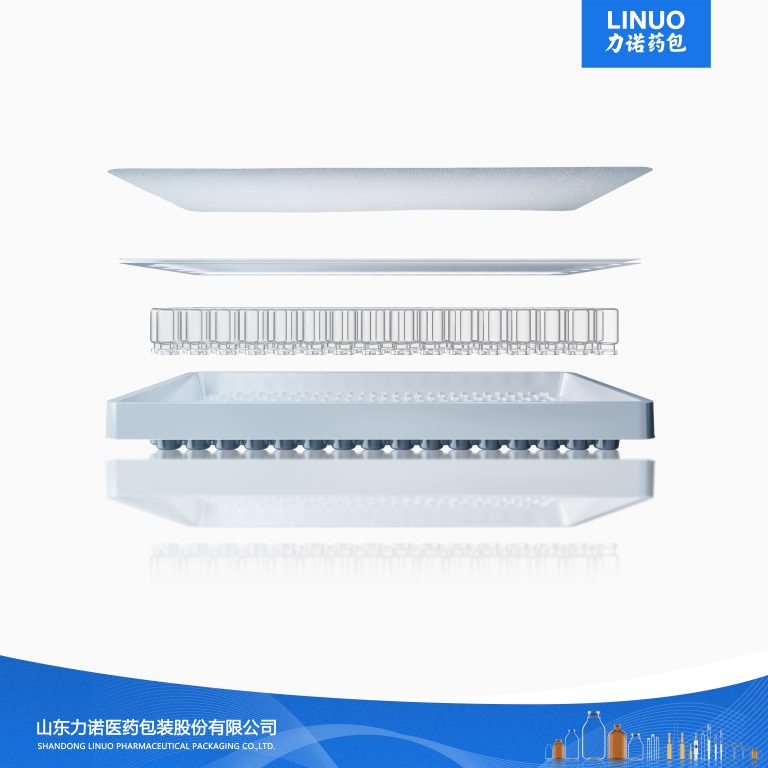
Technically, an RTU container is more than a bag — it’s an engineered subsystem that replaces cleaning, sterilization, and transfer (think: barrier film, integrated aseptic ports, validated sterile seals). When I evaluate RTU containers (RTU containers) now, I break the decision into measurable criteria and run a short pilot at the exact line intended for scale — small test, big payoff. Here’s what I recommend you measure: 1) Integrity under stress — pressure and thermal cycling tests that catch weak seals; 2) Process fit — how the geometry and port positions work with your aseptic filling heads and depalletizers; 3) Lifecycle cost — factor in fewer validations, lower labor, and fewer hold-ups in the cold chain. I ran this three-metric test across five SKUs in our New Jersey facility last October and the results were clear: the right RTU cut operator steps by 40% and saved two hours per batch on average. So, run the pilot — but emphasize real process integration (don’t just check a spec sheet). Short note: packaging specs matter—minor differences amplify on a million-unit run. Then choose based on data.
I’ve been in the trenches for over 15 years in B2B supply chain operations, and I trust decisions backed by numbers and on-line tests. Below are three simple evaluation metrics you can apply immediately:
1) Seal integrity rate under 5°C to 40°C cycling (target ≥99.95%); 2) Changeover time reduction (%) measured on your actual line; 3) Contamination events per 10,000 units during a 30-day pilot. Use those, compare suppliers, and don’t forget to include logistics cost. I’ll stop there — but I keep testing. (Short pause — then act.) Final tip: visit the supplier line, request batch-level validation data, and ask about long-run tensile and barrier film specs. If you want a starting point, check materials from LINUO.