
Introduction — a cold room, a clock, and a rising need
Have you ever stood in a dark factory and wondered which sound will break first — the line or the spirit? I have. In that same hush, I read a report: demand for single-use hygiene goods rose by double digits last year, and wet wipes production line promotions flooded every trade show and inbox (cheap banners, loud claims). Where I work, we see machine queues, wasted rolls, and angry customers. How do you turn the noise into steady output?
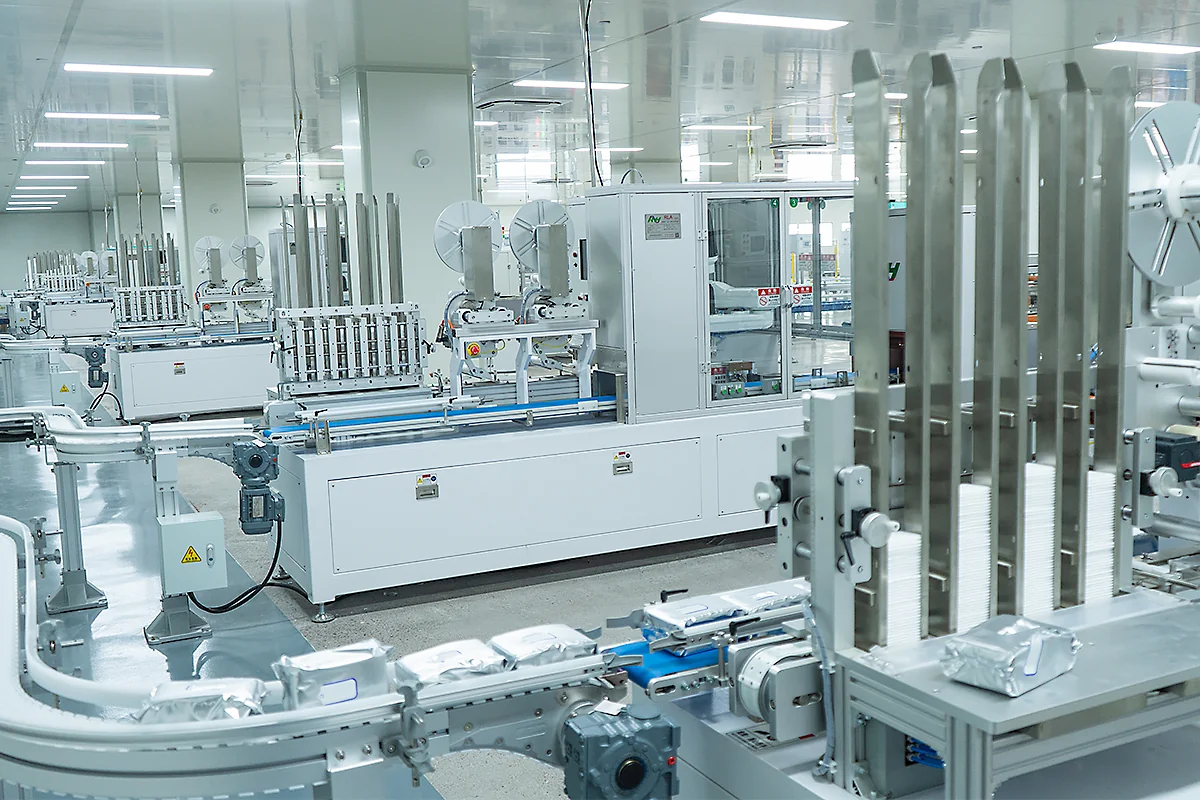
The scene is bleak. Machines idle while orders pile up. The numbers are plain: scrap rates climb, uptime slips below target, and lead times stretch. I say this not to scare you — though the view is grim — but to ask a sharp question: what real changes will fix this mess for people who run the floor, not just slide a market pitch? — we need answers that last.
I’ll walk through what I’ve learned, what often hides under glossy specs, and where to begin. Next, I’ll show the limits of old fixes and where the pain actually lives on the line.
Unseen Hurdles: Why Modern Machines Stumble
automatic wet wipe machine vendors promise speed and ease. I buy that sales pitch sometimes. But when I step onto the plant floor, I see a different truth. The problem is not just parts or speed. It’s the way systems are glued together — PLC logic that never matched reality, servo motors tuned for ideal conditions, dosing pumps that pulse at the wrong time. Look, it’s simpler than you think: the machine does what it’s told, not what you need.
Many teams patch the system with band-aid solutions. They add sensors here, a manual bypass there. Those moves buy time, sure, but they hide deeper faults. SCADA screens glow while operators still run manual checks. MES reports arrive late or wrong. Edge computing nodes sit idle because the network is fragile. Power converters trip when the line shifts speed. I’ve watched a plant add remote monitoring only to find the data floods them with noise. The root is process mismatch and brittle control logic — not a single faulty part.
Why do systems fail?
Failure often starts in small choices: a recipe written for paper that bears no relation to the actual feed-stock; a servo tuned to a test roll, not the dusty batches you get at 2 a.m.; a PLC ladder logic that assumes perfect timing. I feel the frustration — and I bet you do too. These gaps create hidden downtime, slow cycle times, and higher scrap rates. We fix symptoms, rarely the disease.
Future Fit: New Principles for Smarter Lines
Now let’s look ahead. I want to be practical. New solutions must match shop-floor reality, not marketing slides. One core idea I back is data that is close and clean — not more dashboards. That means sensible SCADA hooks, a well-tuned MES layer, and reliable communication between PLCs and the cloud (edge computing nodes where needed). When I tested a pilot with a tighter loop, the line reacted faster to paper stretch and web breaks. — funny how that works, right?
Also, modern lines should be modular. I use the phrase “modular resilience” because it captures what I mean: parts that can be swapped or tuned without stopping the whole line. The automatic wet wipe machine I worked with allowed quick changeover between roll sizes and had clear servo tuning pages. That cut setup time and reduced operator stress. It’s about building systems that respect real operators and messy realities.
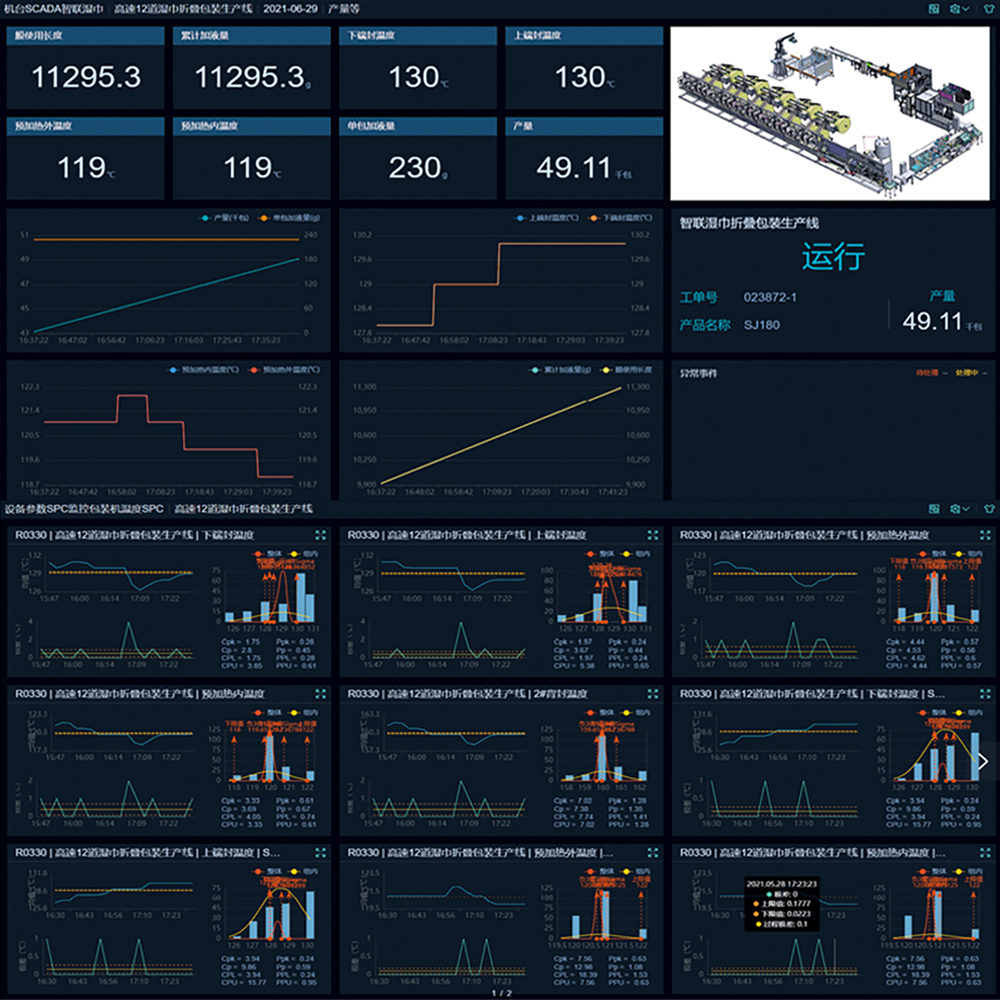
What’s Next — practical checks before you buy
When you consider upgrades, ask three simple things: can a technician change parameters on the fly; does the control logic reflect real disturbances; and will the data you get help fix root causes? I will tell you plainly: vendors often show perfect runs. I want to see how a line behaves at 3 a.m. when the paper has a wrinkle — there’s your test. Use trials, not promises.
For a quick checklist, consider these three evaluation metrics before you choose a supplier: 1) Real-world uptime under varied inputs; 2) Mean time to recover for common faults; 3) Clarity of operator controls and alarm logic. Measure them. Demand reports. If you do that, you will stop buying features and start buying resilience.
We all want a line that hums, not one that hides problems behind glossy panels. I believe these steps work because I’ve seen them cut scrap and calm teams. And when you are ready to take the next step, look at vendors who show real data and let you test on your terms — not just their demo rolls. For resources and systems I trust, I point to ZLINK. They don’t sell a fantasy. They build tools that help real people run real lines.