
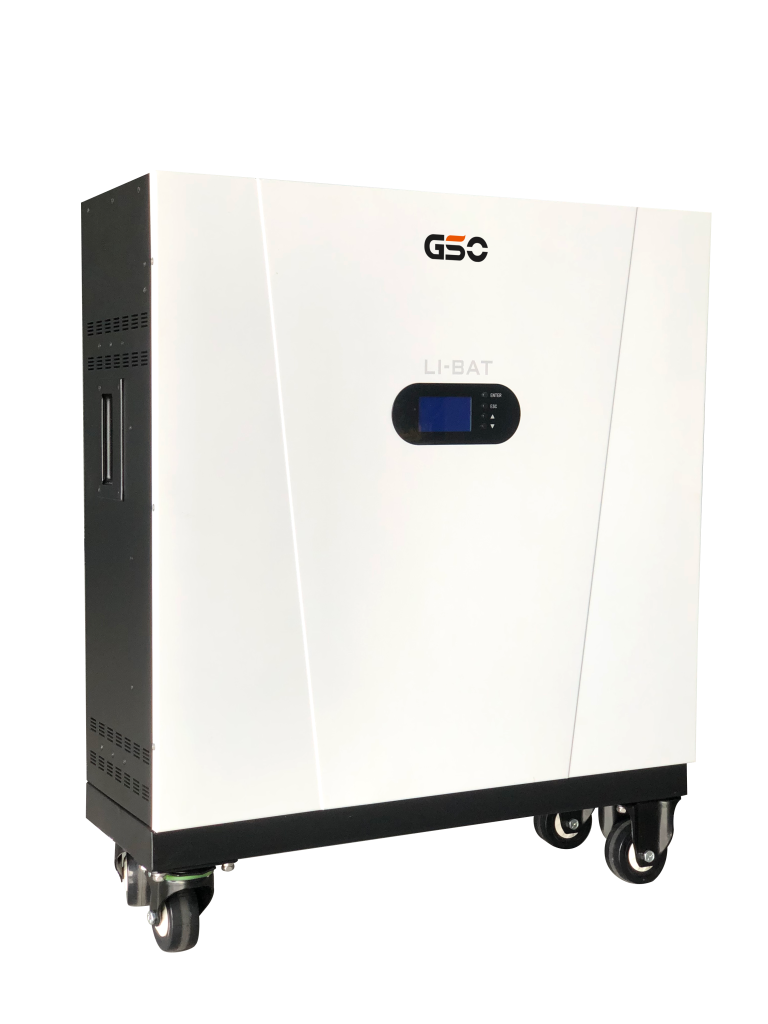
Comparative lead: installers pick practical, not flashy
When pros size up all‑in‑one storage options, they focus on what actually makes installs faster and more reliable. That’s why a lot of commercial installers lean toward modular, stackable designs — they save time on site, simplify service, and match real load growth. The choice often starts with the product’s footprint and modularity, then moves to details like how the battery module connects to the inverter and the on‑board BMS. For projects where homeowners or facilities need resilient backup, a whole house battery backup that snaps together easily changes the labor math from day one.
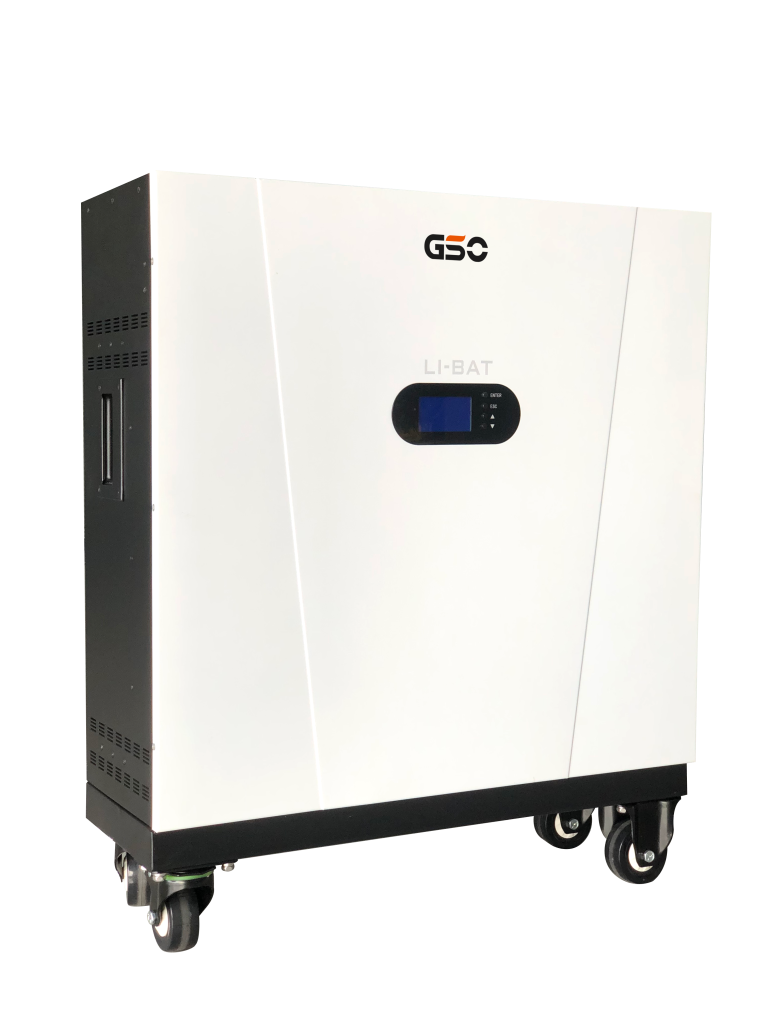
Key comparison points installers actually use
Installers don’t judge on specs alone; they compare systems by a few repeatable criteria. Those are typically:
– Serviceability: Can a tech swap a module without pulling the whole rack? That reduces downtime and labor hours.
– Scalability: Is capacity measured in easy increments (kWh per module) or fixed packs? Modular units let teams scale capacity to match budgets and future demand.
– Thermal and mechanical design: Stackable gear keeps cooling predictable and simplifies cable routing, which reduces failure modes.
– Integration: How cleanly does the storage tie into the site’s inverter strategy—AC‑coupled vs. DC‑coupled—and the existing PV or genset setup.
Those practical checks beat gimmicky specs every time. Installers value repeatable, predictable installs because they cut call‑backs and claims.
Cost signals and why they matter on the ground
Raw equipment cost is only one piece of the ROI. Labor, permitting, shipping, and maintenance shape true cost of ownership. When teams model payback they fold in round‑trip efficiency, warranty terms, and replacement cadence. For many buyers the headline question becomes whole house battery backup cost — but pros drill into lifecycle costs and expected kWh throughput instead of sticker price alone. Real events help anchor the math: recent widespread outages in California and the 2021 Texas winter crisis sharpened demand for systems that deliver predictable runtime and easy expansion. That context changed how owners value uptime versus initial spend.

Common mistakes installers warn against — and better alternatives
Two recurring mistakes show up on new installs. First, over‑specifying capacity for improbable worst‑case scenarios leads to unnecessary expense. Second, choosing monolithic enclosures that require a full system swap when a single module fails — that’s a service headache. A better route is a modular stackable system that isolates faults and lets you add capacity in 5–20 kWh steps. Also watch ventilation and cable access. Poor airflow planning creates hotspots — that shortens cell life. And don’t skip matching the BMS to the inverter’s control logic; mismatched communications can limit charging modes or curtail PV export.
Installers also look at alternatives: factory integrated cabinets that are easy to drop in, versus true modular stacks that give longer tail flexibility. Each has a place depending on site constraints and warranty handling — pick the one that minimizes on‑site labor.
Advisory: three golden rules for picking the right modular system
1) Measure install labor impact: favor designs that let one tech safely lift and swap modules. Labor drives a large slice of total install cost.
2) Match electrical architecture: ensure the system supports the site’s intended inverter coupling and has clear specs for round‑trip efficiency and peak discharge rates.
3) Prioritize serviceability and spares: choose vendors that make parts available and publish clear fault‑isolation procedures — that reduces downtime and long‑term maintenance spend.
These three metrics keep decisions grounded in what installers face daily and highlight where modular, stackable systems typically win.
For practical projects and predictable outcomes, modular stackable designs often deliver the best balance of upfront cost, scalability, and serviceability — which is why experienced installers keep coming back to them. gsopower. —