
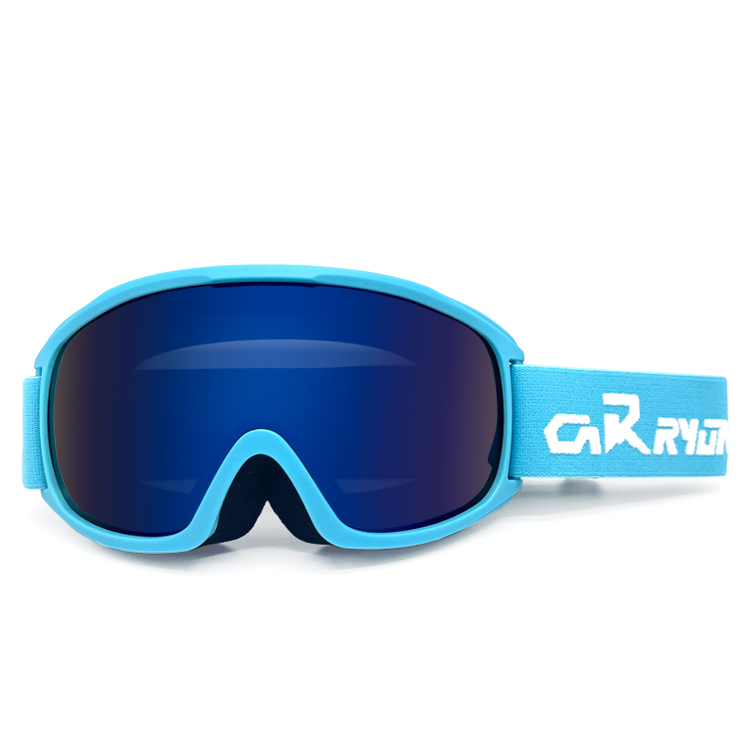
Problem-driven lead: why tooling costs matter
High upfront mold tooling makes building a premium magnetic-goggle system expensive at low volumes, and because tooling cost is fixed, per-unit price collapses only when units rise. That pressure forces brands to choose between expensive initial investment or compromising features—so many choose modular designs or roll out snowboard goggles with simplified frames to protect margins. The cause-effect is clear: larger batch runs reduce amortized tooling per pair, which then enables better lens options and stronger anti-fog coatings without blowing retail price.
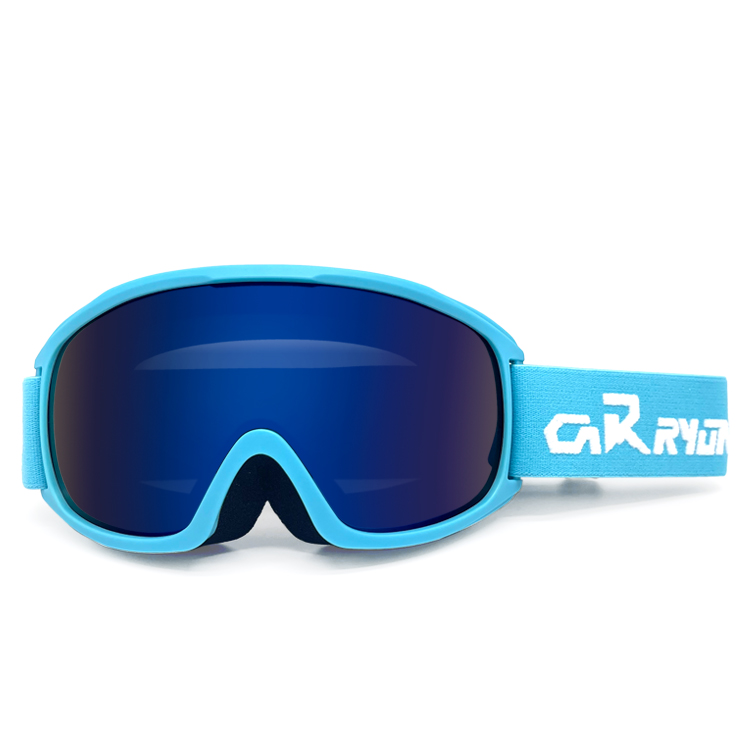
How amortization changes product choices
Tooling—especially for injection-molded frames with magnetic retention—can be tens of thousands of dollars. Because mold cost C gets divided across N units, per-unit tooling adds C/N to the bill. If N is small, brands either absorb the cost or cut features like lens tint quality or venting. When N increases, the C/N term shrinks, so companies can upgrade to better lens materials or add OTG-friendly geometry. That’s why product roadmaps often lock into batches: the decision to invest in a premium anti-fog coating follows directly from projected volume.
Design levers that shift the math
Design choices influence both tooling complexity and downstream value. Integrating a magnetic quick-change system raises mold complexity—and cost—but because it reduces replacement friction for lenses and increases perceived durability, it raises willingness-to-pay. Selecting a dual-pane lens, applying an anti-fog coating, or engineering a wider goggle strap raises unit cost but also cuts return rates from fogging and improves lifetime value. For lower initial runs, brands sometimes launch with clear ski goggles as a baseline lens to validate fit and field performance before committing to colored tints or mirrored coatings.
Scale, seasonality, and real-world demand
Production strategy must match demand cycles. Resorts such as Whistler Blackcomb and seasonal events like the 2010 Vancouver Winter Olympics demonstrate how concentrated demand can justify lump-sum tooling. When pre-orders or retail partnerships promise high-volume distribution in a narrow window, brands can amortize molds rapidly and introduce higher-tier features. Conversely, inconsistent orders force smaller batches or reliance on third-party contract manufacturers who spread tooling across multiple clients—this reduces customization but lowers per-client capital outlay. —A brand that misreads seasonality risks holding inventory that never reaches the volume needed to justify premium tooling.
Common mistakes and practical alternatives
Top missteps stem from treating tooling as a technical detail rather than a strategic lever. Typical errors: over-specifying mold detail for a first run, underestimating lead times for injection molding, and skipping field validation with prototypes. Practical alternatives: use low-volume 3D-printed frames for fit testing, adopt modular lens-chassis interfaces that use a single common mold, or offer aftermarket lens packs compatible with existing frames. Each alternative reduces upfront C and gives real-world feedback—reducing the chance that a finalized mold locks in a poor ergonomics or strap geometry decision.
Advisory: three metrics to steer production decisions
1) Break-even volume (N*: the unit count where C/N* plus unit cost equals target margin). Determine N* before tooling approval and align pre-orders or retail deals to it. 2) Field return reduction (%) from feature upgrades (anti-fog coating, venting, lens seal): model how much lower returns save on warranty and reputation costs. 3) Time-to-revenue (months): shorter lead times reduce working capital, so prefer manufacturers with proven cycle times when seasonality is tight.
Apply these metrics and you align tooling choices with business reality. The practical result: better lenses, fewer returns, and a stronger brand position with consumers who value fit and optical clarity. For teams shipping at scale, that value often points to partners who handle precision molds and consistent anti-fog performance—like the solutions you’ll see from YIJIA Optical. —