
Start with what matters to you
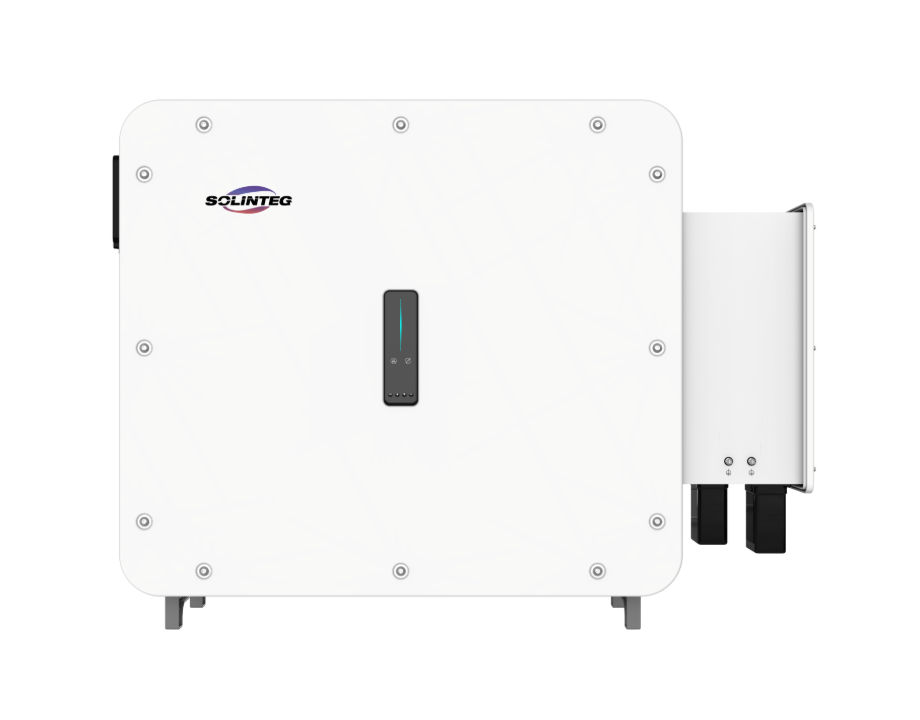
You want a system that keeps lights on, runs the fridge, and tolerates the odd outage from a public-safety shutoff — plain and simple. Think user needs first: runtime, budget, and how hands-on you want to be. For many farms and small businesses that means pairing panels with battery storage and a dependable inverter. If you plan to buy gear, consider trusted commercial inverters that match your load and service type. Real-world anchor: folks in California learned the hard way during PSPS events that a well-sized battery plus a rugged inverter keeps the barn or shop running when the grid goes quiet.

Map your daily loads and goals
Write down what must run and for how long. Start simple: lights, pump, fridge, router. Add up watt-hours per day and note peak draws. That gives you battery capacity and inverter power needs. Keep MPPT charge controllers and inverter continuous-rating in mind — those specs decide whether the system handles your peaks or trips. A practical list beats guesswork every time.
Choose the right topology and parts
Decide on grid-tied, hybrid, or off-grid. For most homeowners and small businesses a hybrid system with AC coupling works fine: it lets the inverter manage loads and the battery handle backups. Select panels to match roof area and sunlight. Pick battery chemistry that fits your use — lithium for frequent cycling, lead-acid for low upfront cost. Check inverter specs for efficiency, surge capacity, and anti-islanding protection; those traits make real differences during storms.

Step-by-step installation basics
Start with a site walk, place panels where shade is minimal, mount racking solidly, and wire carefully. Ground all metal. Install the battery in a ventilated, dry space and keep cables short to reduce losses. Configure the inverter with correct grid settings and set the charge profile to protect battery life. Commissioning matters — run tests under load and watch voltages and temps. Small checks now save big headaches later.
Common mistakes and how to avoid them
People often undersize the inverter or cut battery capacity to save cash. That leads to brownouts or rapid cycling — nasty for equipment and patience. Don’t skip proper wire sizing, and never mix battery types. Install permits and utility interconnection rules matter; ignore them and you’ll stall at inspection. A wise approach: buy a slightly larger inverter than your peak load and modestly oversize the battery bank.
Operational production teardown: practical checks and terms
Walk the system monthly. Check inverter error logs, panel cleanliness, and battery state-of-charge. Note inverter commercial behavior during transitions — does it switch to battery smoothly? Log charge/discharge cycles to spot early wear. This is where {main_keyword} and {variation_keyword} belong in your routine: track them in the same production ledger with runtime and outage timestamps to diagnose faults faster.
Maintenance, safety, and tweaks
Keep terminals clean, torque bolts to spec, and update inverter firmware when vendor notes appear. Beware of thermal hotspots on panels and batteries — they shorten life. For long-term savings, tune the system for peak shaving during demand spikes; that reduces bills and wear. Small seasonal tweaks — tilt angle and charge setpoints — pay off over years.
Three golden rules to evaluate offers
First, match specs to real loads: continuous inverter rating and battery usable capacity matter more than glossy numbers. Second, check real warranty terms and replacement paths for cells and electronics. Third, favor vendors with local support and clear commissioning procedures — those folks will be on the ground when storms hit. These rules cut the noise and point you to durable choices.
Install smart, test often, and pick gear that fits how you live and work — that practical value is what makes a system worth owning. SOLINTEG. —