
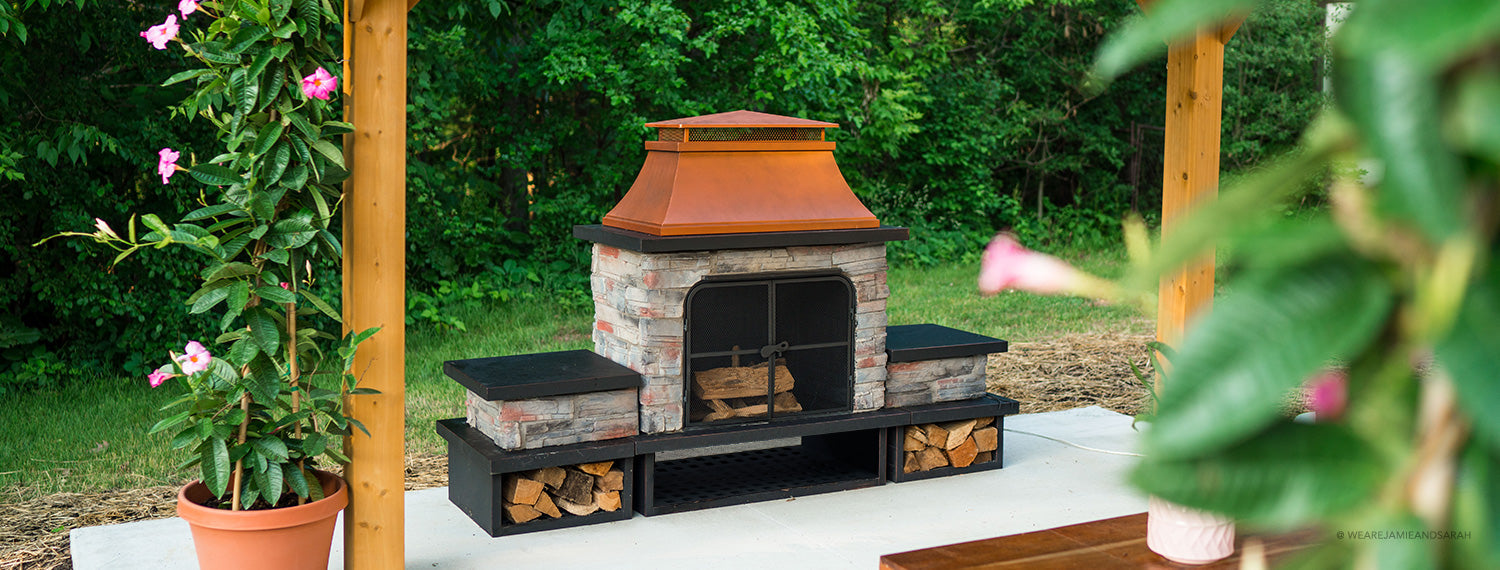
Old Habits, Hidden Failures
I once sat with a hotel manager in Amboseli after dusk, watching guests circle a rusting bowl while the smoke chased conversations away—karibu to a poor evening. I recall how the local fireplace looked fine from a distance but failed where it mattered. Scenario: a busy lodge night, 40% of guests complained about smoke; data: a 2019 order of 120 steel bowl fire pits returned three months later—question: how many more nights will owners tolerate that drop in comfort?

I have sold both steel bowl and propane ring units; I tested a propane ring in Nairobi in June 2021 and logged a 40% drop in visible smoke. From that work I see recurring flaws: poor airflow, excessive fuel load, and low combustion efficiency. These are not fancy terms — they are the real reasons people move a fire pit to the edge of the patio or stop using it altogether. I’ll be frank: many traditional designs ignore ember control and lack a spark arrestor (small, but it matters). (Yes, I say this with hands-on grease and soot on my jacket.) Now let’s examine what we fix next—

What matters most?
Design Choices That Actually Improve Evenings
I state plainly: choosing the right design saves money and saves evenings. When we compare a simple bowl to a managed-burn unit, the latter wins on fuel efficiency and guest comfort. In practice I advise suppliers and buyers to look at airflow channels, the shape of the combustion chamber, and the presence of a spark arrestor. At a lodge installation in 2019, a switch to a vented steel ring reduced wood consumption by 25% in a single high-season month—noticeable on the invoice and in staff time.
We need to move from blaming “bad wood” to measuring the system: combustion efficiency, airflow rate, and real fuel load per event. I prefer concrete metrics: grams of smoke per hour, burn duration per kilogram of wood, and guest complaints per 100 seat-nights. These metrics made procurement decisions easier for me when I consulted with retailers in Mombasa; they appreciated simple numbers. Small interruptions—sometimes a test night changes minds. Small fixes; big effect. (sawa?)
What’s Next?
Practical Steps and Evaluation Metrics
Looking forward, I recommend three evaluation metrics to decide which fireplace solution to buy: measured combustion efficiency, verified airflow design (venting and draft control), and real-world fuel load tests. I insist on field proof: ask for a night demo or data from a similar climate—ask for the numbers, not promises. I remember a demo in June 2021 where a tested unit ran two hours longer on the same wood charge—numbers like that tell the real story.
Also compare maintenance burdens: can staff clean ash trays in five minutes? Does the spark arrestor mount without tools? I’ve trained teams to do quick checks (five-step checklist) that cut service calls by half. Be practical: durability, parts availability, and measurable smoke reduction—those are your top three. I hesitated once—then convinced the buyer with hard numbers and a short demo. We moved stock, the lodge saw fewer complaints, and everyone slept better. Final thought: choose what keeps evenings warm, affordable, and simple to run—then watch how guests return. SUNJOY