
Introduction — A shop floor story, a hard number, a simple question
I once stepped into a small job shop where the foreman waved me over and said, “We need parts yesterday.” That kind of pressure is common — and CNC lathe manufacturers are the ones getting the call. Recent industry checks show more shops than not (around six in ten, by some counts) want faster changeovers and clearer operator interfaces — so how do you actually deliver on that? I’ll be blunt: shop problems are practical, not academic. We’ve seen raw cycle-time drops, wasted setup hours, and worn tool turrets that eat margins. So what’s the straightforward next move for a shop or an OEM that needs real gains, and can they do it without blowing the budget? Let’s walk through where things break down and what I think works next — short, useful, and actionable.
Part 1 — Where the old fixes fail: deeper pain under the hood
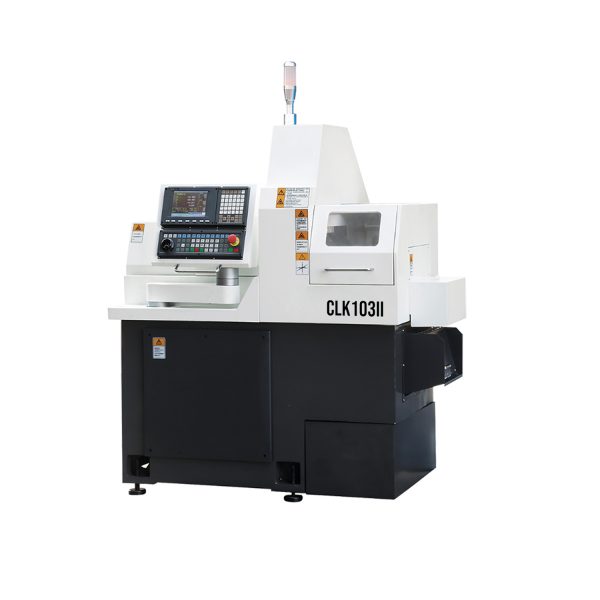
cnc lathe machine buyers get pitched the same fixes: faster spindle speeds, a newer CNC controller, or a heavier-duty ball screw. Those help, sure. But they don’t fix the real friction: tool change delays, poor toolpath programming, and mismatched servo motors that can’t handle intermittent torque spikes. Look, it’s simpler than you think — swapping parts without rethinking workflow only buys a little time. In my experience, this is where shops bleed: hidden setup time, undocumented fixtures, and operator workarounds. We call it “soft downtime” — machines appear busy, but the shop isn’t making good parts fast. Add in flaky tool turrets and inconsistent G-code from CAM post-processors, and you get lots of scrap and rework.
What exactly keeps operators up at night?
Mostly predictability. Operators want repeatable cycles, clear alarms, and tooling that behaves. When a spindle speed curve is optimistic but the feed system can’t match it, you get chatter. When the CNC controller hides error logs in five nested menus, troubleshooting drags. I’ve seen setups where servo motor tuning was left to default — and the machine couldn’t hold finish tolerances. Those are the real user pains. You can fix them with better training and tighter tooling specs, but you also need smarter system design — not just a faster motor. — funny how that works, right?
Part 2 — Principles for the next wave (new tech that actually helps)
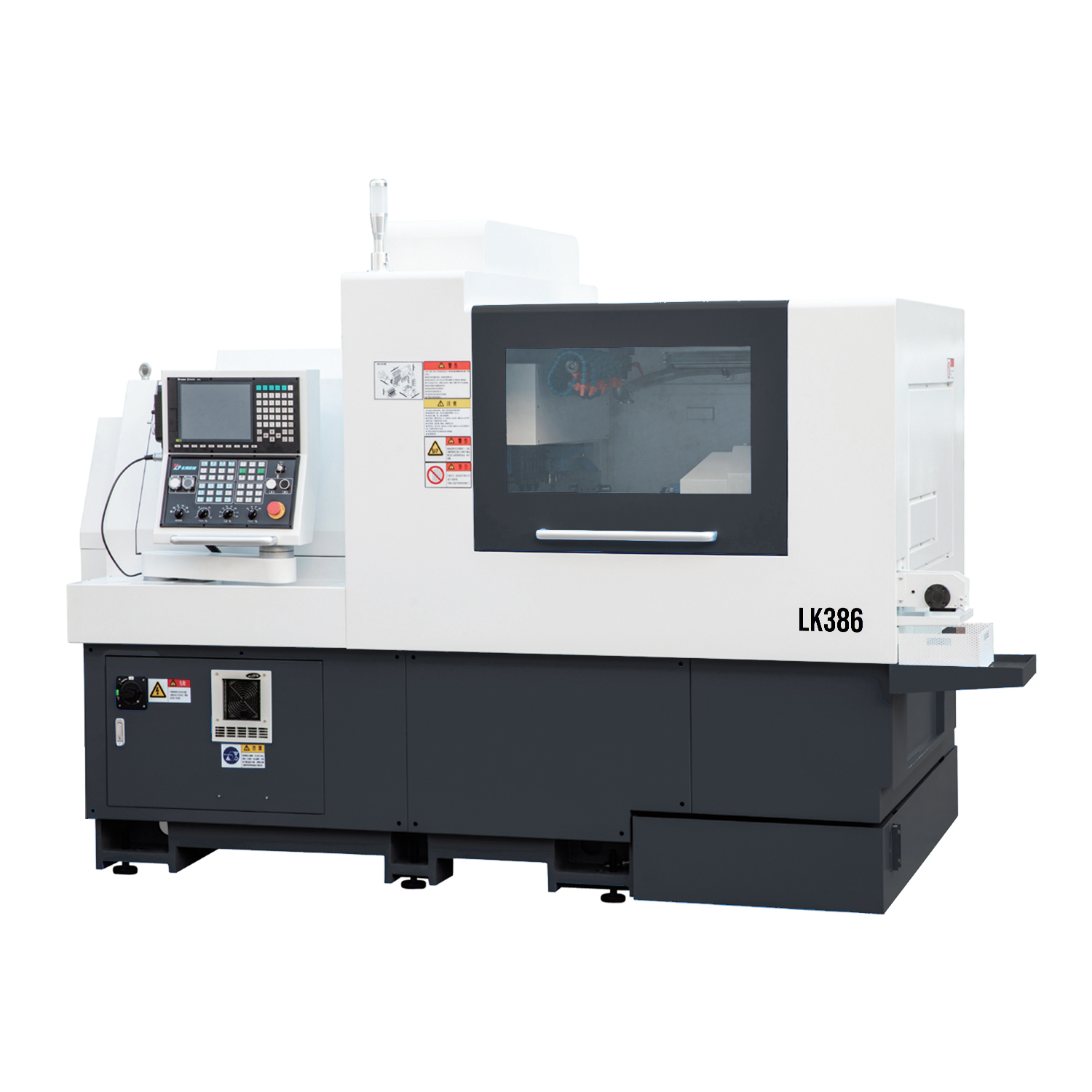
Now let’s step forward. I want to outline practical tech principles that manufacturers of cnc lathe should adopt. First: design for the operator. That means simplified HMI screens, one-touch setup routines, and clear step-by-step fault recovery. Second: focus on predictable motion systems — matched servo motors, tuned spindle controllers, and robust ball screw selection so the machine accelerates without losing position. Third: integrate smarter diagnostics — edge computing nodes or local analytics that flag tool wear before you see scrap. These are not vague promises. They are engineering priorities: better sensors, deterministic control loops, and a cleaner human interface. Together they cut soft downtime and stabilize output.
Real-world impact — what this looks like on the floor
In shops that adopt these principles, I’ve seen cycle times drop and first-pass yield rise. One small example: simple torque monitoring tied to the CNC controller cut a shop’s tool breakage rate in half. Another shop used a compact edge node to pre-process alarms and reduced error diagnosis time from 20 minutes to 4. These are small changes that compound. They do require some upfront work — aligning CAM outputs, standardizing fixtures, training operators — but the ROI shows up fast. We’re talking less scrap, fewer emergency jobs, and calmer shifts. — and yes, there’s a learning curve, but it pays off.
Conclusion — How to pick the right path (my three quick checks)
Here’s how I evaluate any solution now. I use three simple metrics: 1) Operability — can a floor operator run and maintain it without a specialist? 2) Predictability — does it reduce variance in cycle time and finish? 3) Diagnostics — does it surface real causes, not just symptoms? Score well across those, and you’re on the right track. If one area fails, the solution is likely a patch, not a step forward. I say this from the shop floor and from working with OEMs — we need machines that win back time for operators, not just flashier spec sheets. If you want tools and systems that actually make life easier, look for those three things first. For a practical vendor option, I’ll point you to Leichman as a resource I’ve looked at when researching integrated solutions.