
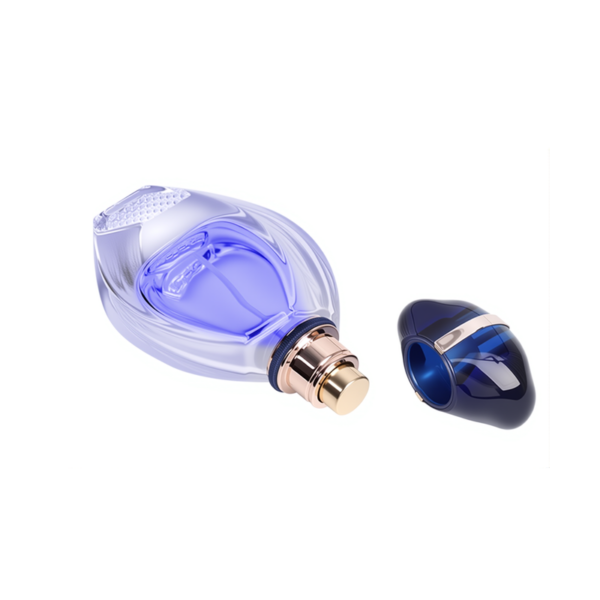
Why This Shape Still Wins—and What It Means Next
Picture a quiet morning before a big meeting. The round perfume bottle sits cool in your hand, steady, familiar, a little bit luxe. Now zoom out: studies show about 70% of shoppers judge packaging in under 8 seconds, and over half link the bottle shape to perceived scent quality. So, why does this curve keep winning, and what must change as tastes move faster than ever? Small details like the atomizer feel and a clean crimp finish shape trust. Design is emotion, but supply is physics (and sometimes stubborn).
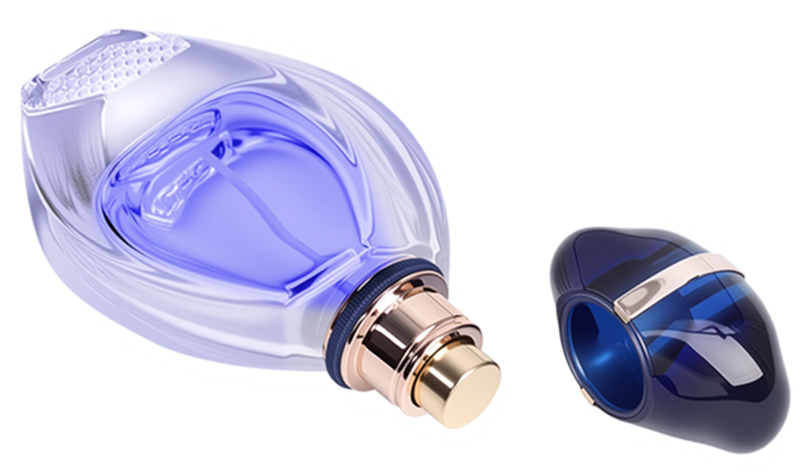
Here’s the twist: the same shape that signals balance can hide real risks in sourcing, finish, and quality control. Brands face more SKUs, tighter launch calendars, and stricter compliance. That “simple” silhouette has complex trade-offs. Are we picking the right partners, the right process, the right test methods—at the right cost? Let’s set the lens and compare what truly matters next.
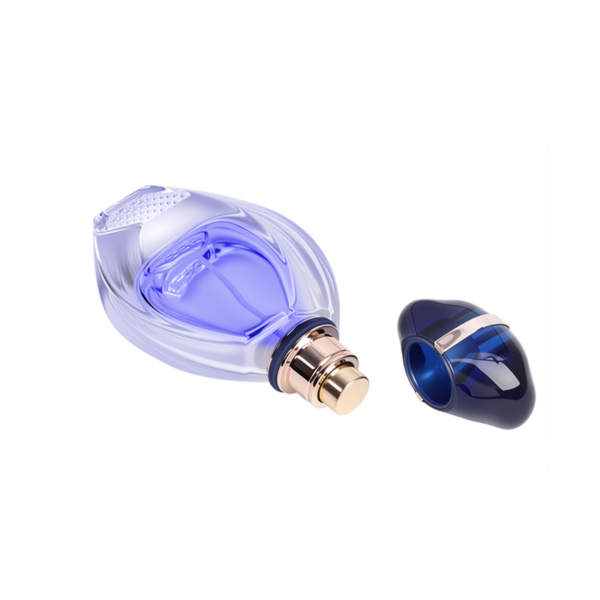
Traditional Sourcing vs. Reality: The Technical Gaps
Choosing a round perfume bottle manufacturer looks simple on a spreadsheet. But the physics inside the glass tells another story. In a round profile, the mold cavity must keep even wall thickness while holding tight volumetric tolerance, or the bottle feels “off” in hand and labels can skew. When the annealing lehr is not tuned, micro-stress builds near the shoulder and base—tiny, but it can crack during transport testing. Add a mismatched GPI neck finish, and your pump torque drifts in-line. Look, it’s simpler than you think: specs must speak to the real process, not just the drawing.
What gets lost between design and shelf?
Three hidden pain points stand out. First, tolerance stacking: cap, collar, and pump sit fine alone, but misalign together— and yes, it matters. Second, surface energy: coatings behave differently on curved glass, so a small shift in spray parameters leads to haze or poor adhesion. Third, QC blind spots: AQL sampling may miss roundness variation that only appears at full run speed. The result? Late rework, fragrance waste, and launch slips that hurt cash flow. Technical alignment early on saves everyone time and face.
Smart Glass, Smarter Supply: A Comparative Look Ahead
We’re moving from “buy and hope” to “design, simulate, and verify.” The new playbook compares traditional batch fixes with data-first methods. Leading lines now run inline vision systems to check roundness and finish in real time, not just at end-of-line. Coatings shift to UV-curing for repeatable hardness on curved surfaces, and controlled spray coating windows reduce orange peel. Even decoration is changing: laser etching handles tight arcs with less drift than pad printing—funny how that works, right?
What’s Next
Expect digital tooling models that predict wall thickness and shoulder stress before the first pilot run. Some round perfume bottle manufacturers already tie mold data to QC dashboards, so a spike in ovality flags within minutes, not weeks. That means better first-pass yield, fewer touch-ups, and more stable timelines. Compared to the old way, you get fewer unknowns, more traceability, and cleaner launches. We keep the classic silhouette, but we make the path to shelf calmer (and cheaper) by design.
How to Choose Without Guesswork
Advisory close, nha: use three metrics to compare partners and cut noise. 1) Dimensional control: Ask for Cp/Cpk on roundness and neck finish, plus inline vision reports—not only AQL snapshots. 2) Process stability: Review annealing profiles and coating parameters across shifts; check ppm defect rate trends over 90 days. 3) System fit: Validate pump torque and leak rates on your actual formula and line speed, not a lab bench demo. With those three signals, you protect the look, the feel, and the launch date. Keep the curve. Upgrade the proof. Shared knowledge wins—brand and factory both. NAVI Packaging