
Introduction — a quick scenario, some numbers, one question
Have you ever been on a small lake, watching another boat glide by silently while yours sputters and coughs? An electric motor today can deliver quiet, efficient propulsion and, depending on the setup, reduce running costs by 30–60% compared with older petrol outboards (some figures vary by load and cruising speed). I’ve seen owners switch and then immediately ask: why didn’t I do this sooner? This piece unpacks that moment — cautious, data-led, and practical — and it starts by asking what really matters when you pick propulsion for a boat. Next, I’ll dig into where common choices trip people up and what to look for instead.
Where common solutions fail — hidden pains and technical breakdown
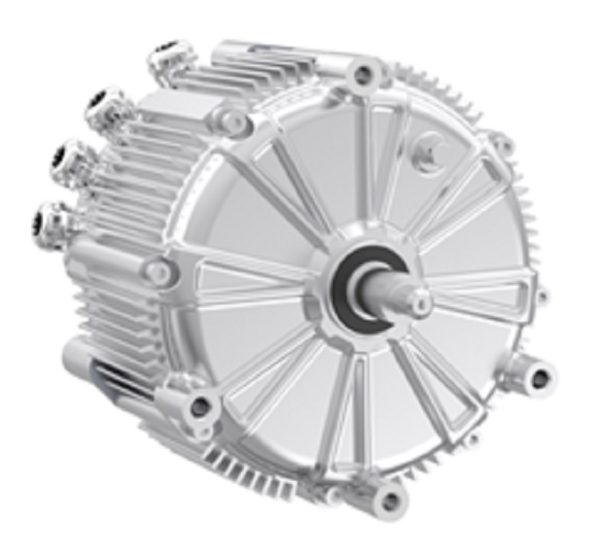
Let’s start with a basic definition: many people think an outboard is just a motor and a propeller, but modern systems pair the mechanical drive with electronics — controllers, power converters, and battery management — that determine real-world performance. For small craft, the typical misstep is assuming any electric boat motors are interchangeable. They are not. I’ve tested setups where torque fell off at low RPM, where cogging created jerky starts, and where overheating controllers cut trips short. These are not marginal issues; they shape how you steer, how you plan a day on the water, and how often you worry about a recharge.
What’s the core issue?
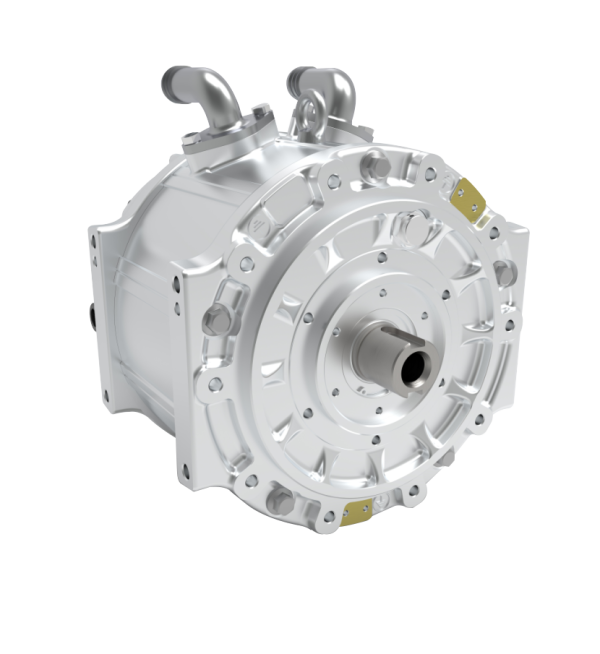
Much of the trouble comes from mismatched components. The stator and rotor design influence torque and efficiency; the motor controller (often a BLDC controller or ESC) governs response and thermal limits. If the battery meets the motor but the controller is undersized, you lose usable range and get unpredictable throttling. Look, it’s simpler than you think: match the motor’s torque curve to your boat’s drag and then size the controller and battery accordingly. I say this from hands-on experience — I’ve reconfigured three rigs to fix exactly this problem — and the difference was night and day. — funny how that works, right?
New technology principles and a practical future outlook
Now, let’s look forward. Brushless designs, better thermal management, and smarter power electronics change the game. A brushless motor, for example, reduces maintenance (no brushes to swap) and typically offers a cleaner torque profile across RPM. But it’s not enough to tout “brushless” as a label — you need to understand the control algorithms, the efficiency curve, and how the system handles transient loads like sudden bursts of acceleration or heavy gust-induced recovery. I’m excited by advances in sensor feedback and adaptive motor controllers; they let the system tune itself to battery state-of-charge and load, extending useful range in real conditions.
Real-world impact — what I expect next
In practice, this means two things: first, better-matched systems that yield predictable range and handling; second, more modular setups so owners can upgrade batteries or controllers without replacing the entire drive. Case examples already show smaller craft doubling effective day-use range by optimizing motor/controller pairing and improving propeller selection. I believe the next wave will focus on integrated diagnostics and simple user interfaces — so you get clear range estimates and thermal warnings before you leave the dock. — and yes, I check this myself when I spec a rig.
Closing — how to evaluate options (three practical metrics)
To wrap up, here are three evaluation metrics I use and recommend when choosing an electric boat motor: 1) continuous torque at typical cruising RPM — not just peak power; 2) controller thermal headroom and response to surges; 3) system-level efficiency (motor + controller + prop) across the speeds you actually use. Measure these or ask for measured curves. I prefer systems where data is open and measurable — no guessing games. If you follow these points, you end up with a boat that’s quieter, more reliable, and honestly more enjoyable to helm. For reliable components and tested products, I look to manufacturers who publish specs and provide real-world support, like Santroll.